Market Shifts Triggered by Tokenized Shares
Robinhood’s latest venture into tokenized shares represents a significant shift in the trading landscape. By allowing users to buy shares of high-profile companies like OpenAI and SpaceX through tokenized contracts, Robinhood is democratizing access to investment opportunities that were previously reserved for institutional investors. This move aligns with findings from a recent report by the Financial Technology Association, which highlights a growing trend of retail investors seeking greater accessibility and flexibility in their investment choices.
Furthermore, a study conducted by Research and Markets projects that the tokenization of assets will grow at a compound annual growth rate of 18.2%, reaching a market size of $4.6 trillion by 2025. This growth is driven by the increasing demand for fractional ownership and the desire for a more inclusive investment environment.
However, the response from OpenAI has raised eyebrows. Their public disavowal of any partnership with Robinhood has implications that extend beyond mere branding. According to OpenAI, the “OpenAI tokens” being offered are not actual equity in the company, highlighting the differences between traditional stock ownership and the new model being presented by Robinhood. This discrepancy underscores the need for transparency and clarity in investment products, particularly in a rapidly evolving market.
Second-Order Effects
The introduction of tokenized shares could have several second-order effects that are critical to understand. Firstly, it may lead to increased scrutiny from regulatory bodies. As tokenization becomes more mainstream, regulators may start to impose stricter guidelines to protect investors from potential misrepresentation, as evidenced by OpenAI’s cautionary stance.
Additionally, this could trigger a wave of innovation among other trading platforms. Competitors may rush to adopt similar models, leading to a more fragmented market where users have access to a variety of tokenized assets. This could create a more competitive environment, driving down fees and improving overall user experience.
Lastly, the widespread adoption of tokenized shares can lead to a shift in investor behavior. As more retail investors engage with these new financial instruments, we may see a generational shift in how investment decisions are made—favoring technology-driven platforms over traditional brokerage services. This aligns with insights from a Deloitte report indicating that millennials and Generation Z are more inclined to engage with technology-centric investment solutions.
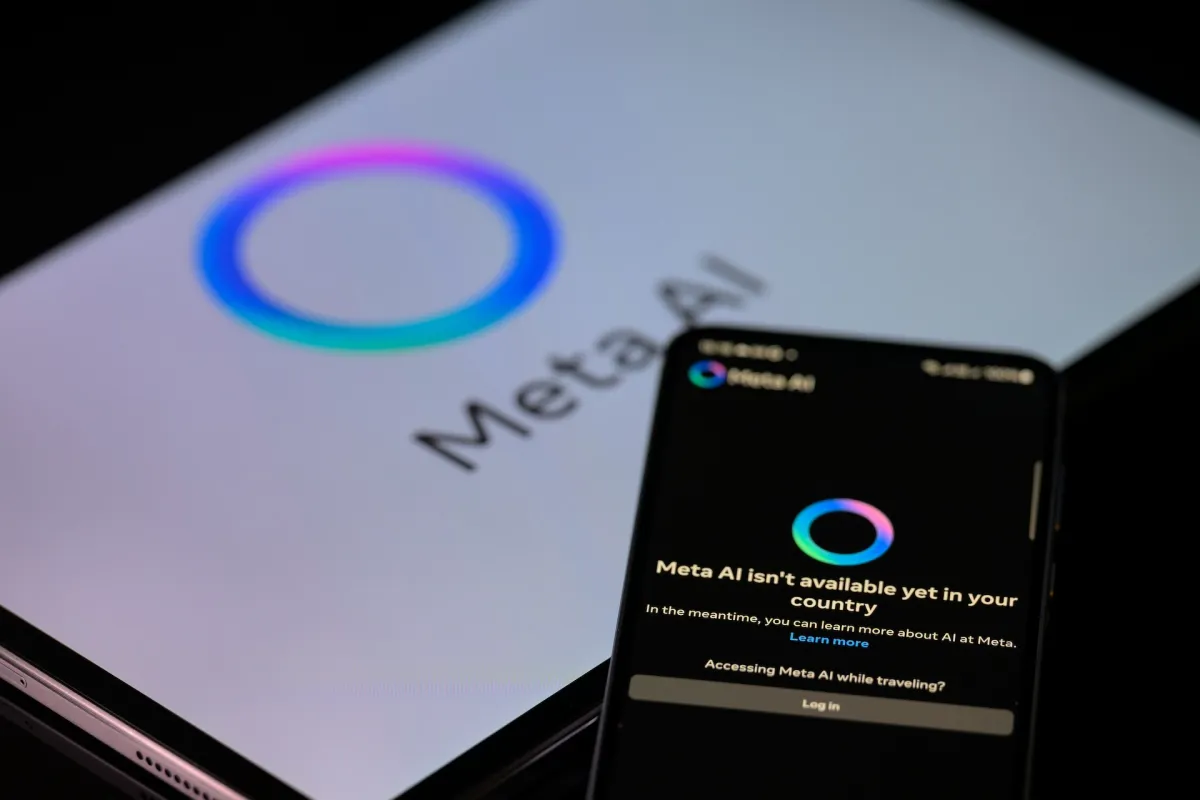
Why this visual matters: This image captures the essence of the evolving landscape of tokenized shares and their implications for OpenAI investments. The shift toward tokenized assets signifies a new era in investment strategies, particularly for tech-driven platforms.
Data & Competition
The competitive landscape is poised to shift significantly in response to Robinhood’s new offering. On one hand, Robinhood has positioned itself as a pioneer in the tokenized shares market, gaining a considerable edge over traditional brokerage firms. The immediate 13% increase in Robinhood’s stock price following the announcement indicates strong market confidence in their innovative approach.
However, traditional players like Charles Schwab and Fidelity may respond by enhancing their own digital offerings to retain market share. According to a recent report from Bloomberg Intelligence, these firms are already exploring ways to integrate blockchain technology into their trading platforms. The potential for increased competition could lead to a race for innovation, ultimately benefiting consumers with lower fees and enhanced services.
Moreover, the introduction of tokenized shares may lead to the rise of new market entrants focused on niche trading platforms. These platforms could cater specifically to younger investors seeking innovative and flexible investment options, further fragmenting the market. Such a shift may also attract more institutional investors looking to capitalize on the growing trend of tokenization.
Frequently Asked Questions
What are tokenized shares?
Tokenized shares are digital representations of ownership in a company, recorded on a blockchain. Unlike traditional stocks, they may not confer actual equity ownership but rather track the value of the underlying assets.
How does Robinhood’s tokenized share offering work?
Robinhood’s tokenized shares allow users to buy contracts that track the price of shares in companies like OpenAI and SpaceX. Users do not own the shares directly, but rather engage with tokenized contracts recorded on a blockchain.
What are the risks associated with tokenized shares?
Investors should be aware that tokenized shares may lack the same regulatory protections as traditional stocks. Additionally, the disconnection from actual equity ownership could lead to misunderstandings about the nature of the investment.
How might this affect future investment behaviors?
The introduction of tokenized shares could encourage more retail investors to engage with tech-driven investment platforms, potentially leading to a generational shift in investment strategies favoring digital assets over traditional brokerage methods.
Meet the Analyst
Marcus Vance, Tech Editor – A seasoned analyst with over a decade of experience in financial technology, Marcus specializes in the intersection of innovation and investment strategies. He is dedicated to providing insights into emerging trends and market shifts.
Last Updated: March 2026 | HustleBotics Editorial Team