Core Analysis of Nvidia’s Vision for Coding
Jensen Huang, the CEO of Nvidia, recently articulated a vision for the future of coding that positions it as an accessible skill for everyone, regardless of their technical background. Speaking at London Tech Week, Huang emphasized the transformative power of new technologies that allow users to generate code through simple conversational prompts. This method, dubbed “vibe coding,” is not merely a trend but a potential paradigm shift in how software development is approached.
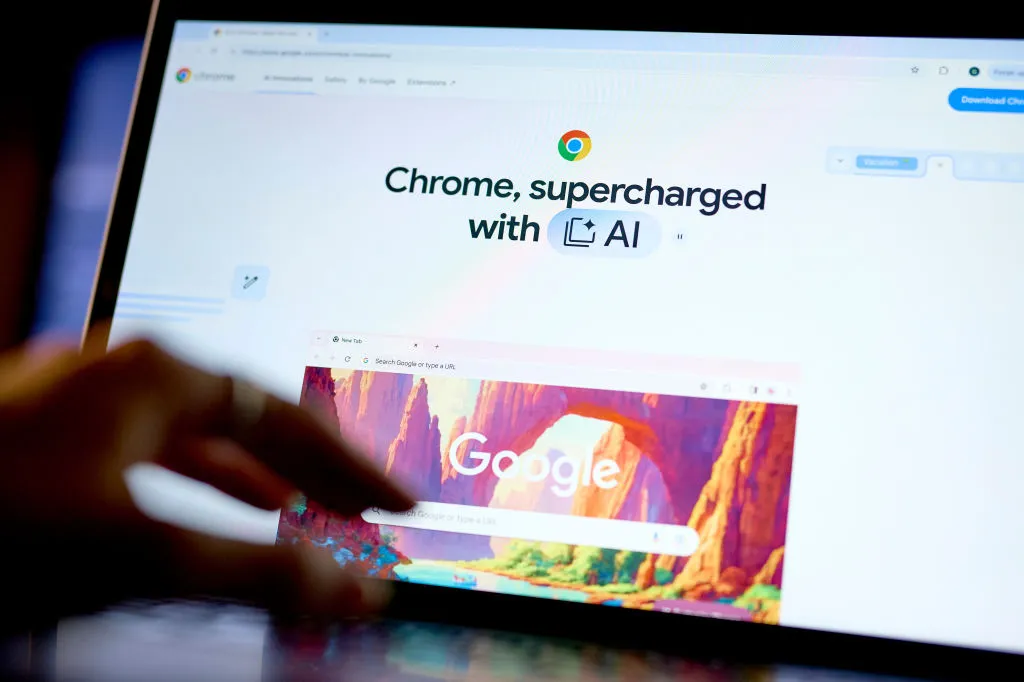
According to a report from Gartner, the software development landscape is expected to change significantly in the coming years, with the rise of low-code and no-code platforms. These platforms are designed to enable non-programmers to build applications, thus expanding the developer base. Huang’s insights align with this trend, suggesting that the future of coding may rely less on traditional programming languages and more on natural language processing capabilities.
Furthermore, a recent study by McKinsey highlighted that over 60% of jobs in the tech sector could be performed by individuals with minimal coding skills if they are equipped with the right tools. Huang’s assertion that “human” is the new programming language echoes this sentiment, as it underscores the potential for coding to become a universal skill rather than an exclusive domain for computer science graduates.
While Huang’s vision is optimistic, it raises critical questions about the implications for software quality and security. As coding becomes more accessible, the potential for poorly written code could increase, leading to vulnerabilities and bugs. This scenario necessitates a reevaluation of software development practices to ensure that quality assurance measures evolve alongside these new methodologies.
Second-Order Effects
The concept of “vibe coding” raises several second-order effects that could reshape the technology landscape. Firstly, the democratization of coding could lead to an influx of innovative applications tailored to niche markets. Individuals who previously felt intimidated by programming languages may now contribute their unique perspectives and solutions to the market. This influx could foster a culture of creativity and experimentation, ultimately benefiting the tech ecosystem.
However, this democratization also has the potential to saturate the market with low-quality applications. As more individuals engage in coding without the foundational knowledge of software architecture and best practices, the risk of producing poorly designed applications increases. This could lead to a new set of challenges for businesses that rely on software solutions, as they may need to invest more heavily in quality assurance and testing processes to mitigate risks.
Additionally, the rise of vibe coding could disrupt traditional educational pathways in computer science. As coding becomes more accessible, educational institutions may need to adapt their curricula to focus less on teaching specific programming languages and more on problem-solving skills and critical thinking. This shift could alter the landscape of tech education, leading to a new generation of problem solvers who approach challenges from diverse angles.
Lastly, Huang’s assertion that coding no longer requires extensive programming expertise could shift the competitive dynamics among tech companies. As companies like Nvidia and Google invest in technologies that facilitate vibe coding, traditional software development firms may find themselves at a disadvantage if they do not adapt quickly. This could lead to a consolidation of power among a few key players who dominate the vibe coding space, potentially stifling competition and innovation in the long run.
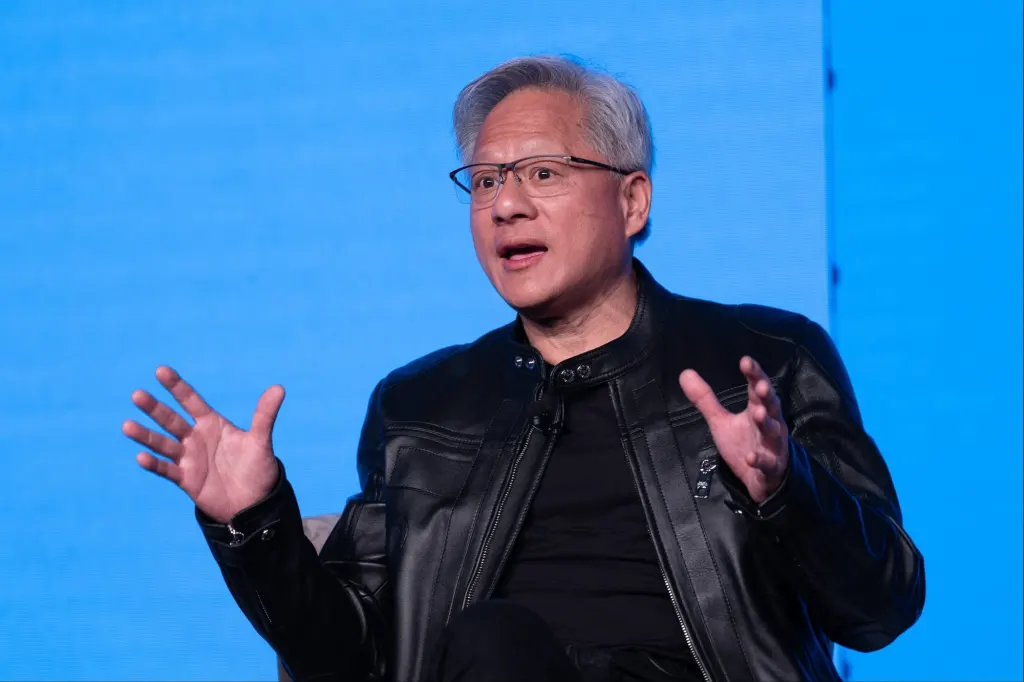
Why this visual matters: This image encapsulates Nvidia’s vision of vibe coding, illustrating the democratization of software development. By enabling more individuals to engage in coding, Nvidia is poised to reshape the landscape of technology and innovation.
Data & Competition
Nvidia currently holds a commanding position in the tech market, boasting a market capitalization of $3.48 trillion, making it the second most valuable company globally. Over the past five years, Nvidia’s stock has surged by nearly 1,500%, reflecting the company’s robust growth and the increasing demand for its technologies.
However, the competitive landscape is evolving. Companies like Google and Microsoft are also investing heavily in technologies that promote coding accessibility. Google’s recent initiatives in natural language processing and Microsoft’s focus on low-code platforms demonstrate a clear acknowledgment of the trend Huang is advocating. These competitors are not just passive observers; they are actively working to capture the burgeoning market of non-programmers seeking to create software solutions.
In contrast, traditional software development firms may face challenges in adapting to this new landscape. Companies that have relied on a workforce of highly skilled programmers may need to pivot their business models to incorporate vibe coding methodologies. This shift could result in significant restructuring, as firms assess whether to retrain current employees or hire new talent proficient in these emerging technologies.
Moreover, the rise of vibe coding may lead to new entrants in the tech space. Entrepreneurs armed with innovative ideas but lacking technical expertise could leverage these new tools to bring their visions to life. This democratization of coding could lead to a surge in startup activity, fostering a more dynamic and diverse tech ecosystem.
However, with opportunity comes risk. As more individuals engage in coding without a solid understanding of software design principles, the market may become flooded with subpar applications. This scenario could create a backlash against vibe coding, leading consumers to question the quality of software solutions available to them.
Strategic Deployment Logic
Embrace the vibe coding revolution by exploring tools that simplify software development. Invest in training programs that equip your team with the skills needed to leverage these technologies effectively.
Frequently Asked Questions
What is vibe coding?
Vibe coding refers to the practice of generating code through natural language prompts, enabling individuals without programming expertise to create software solutions.
How does vibe coding affect traditional programming jobs?
The rise of vibe coding may reduce the demand for traditional programming roles, as more individuals can create applications without extensive coding knowledge. However, it may also lead to new opportunities in software quality assurance and support.
What are the risks associated with vibe coding?
The main risks include the potential for low-quality applications due to a lack of understanding of software design principles, which could lead to security vulnerabilities and user dissatisfaction.
How can companies adapt to the vibe coding trend?
Companies can adapt by investing in training for their employees, incorporating vibe coding methodologies into their development processes, and exploring partnerships with tech firms that specialize in these technologies.
Meet the Analyst
Marcus Vance, Tech Editor – With over a decade of experience in technology journalism, Marcus specializes in analyzing industry trends and their implications on the market. He is passionate about exploring how emerging technologies shape the future of business.
Last Updated: March 2026 | HustleBotics Editorial Team