Core Analysis & Source Attribution
In recent developments, New York lawmakers have put forth a proposal for a three-year halt on new data center permits, joining a growing list of states reconsidering the rapid expansion of these facilities. According to a report from Wired, this bill is part of a nationwide trend, with at least six states contemplating similar measures. The proposal is backed by notable figures such as Senator Liz Krueger and Assemblymember Anna Kelles, who argue that New York is “completely unprepared” for the influx of data centers.
This legislative move arises amid increasing concerns regarding the environmental impact of data centers, particularly their contribution to rising household electricity costs. A report from the Environmental Protection Agency (EPA) highlighted that data centers are responsible for approximately 2% of the total electricity consumption in the United States, a figure that is expected to grow as more companies invest heavily in technology infrastructure. As technology firms pour resources into enhancing digital capabilities, the repercussions on local communities become more pronounced, leading to bipartisan calls for a moratorium.
The growing concern is echoed by research from the International Energy Agency (IEA), which underscores the urgent need for sustainable practices in data center operations. The IEA’s analysis suggests that without significant intervention, energy consumption from data centers could triple by 2030, straining both local resources and the electrical grid. This potential crisis has prompted lawmakers to consider a pause, allowing for the development of policies aimed at mitigating the adverse effects of data centers on local communities.
What Most People Miss: Second-Order Effects
While the immediate implications of a moratorium on new data centers are clear, the second-order effects are often overlooked. A pause in data center construction could lead to several significant shifts in the technology and energy markets.
First and foremost, the moratorium may catalyze a shift in how companies approach their technological infrastructure. With an enforced hiatus, firms may be compelled to invest in upgrading existing facilities to meet sustainability standards rather than expanding their footprint. This could lead to innovations in energy efficiency technologies and a greater focus on renewable energy sources, which would ultimately benefit both the environment and the companies’ bottom lines.
Moreover, the proposed moratorium could influence the dynamics of competition within the technology sector. As larger firms are forced to rethink their expansion strategies, smaller companies may find opportunities to innovate and fill the gaps left by larger players. This could lead to a more diversified market landscape, where niche players focusing on sustainable practices gain traction.
On a broader scale, the pause could also influence public perception of technology companies. As lawmakers advocate for more stringent regulations, companies may need to adopt a more community-centric approach to their operations. This shift could foster greater public trust and support, ultimately leading to a more favorable environment for future technological advancements.
Data & Competition
The proposed moratorium has significant implications for both winners and losers in the data center landscape. On one hand, companies that have already established data centers may benefit from less competition as new entrants are sidelined for the time being. Established players like Amazon Web Services and Microsoft Azure can leverage their existing infrastructure to maintain market dominance.
Conversely, the initiative could pose challenges for emerging tech companies and startups that rely on new data centers to scale their operations. These firms may find themselves at a disadvantage, unable to expand their services or innovate due to regulatory constraints. The potential for increased operational costs associated with existing facilities could also hinder growth for smaller players.
Additionally, the moratorium could impact energy suppliers and utility companies. As data center expansion slows, energy providers may need to recalibrate their forecasts and investment strategies. The demand for energy may stabilize, allowing for more strategic planning around infrastructure development. However, this could also lead to revenue losses for utility companies that were anticipating growth driven by new data center projects.
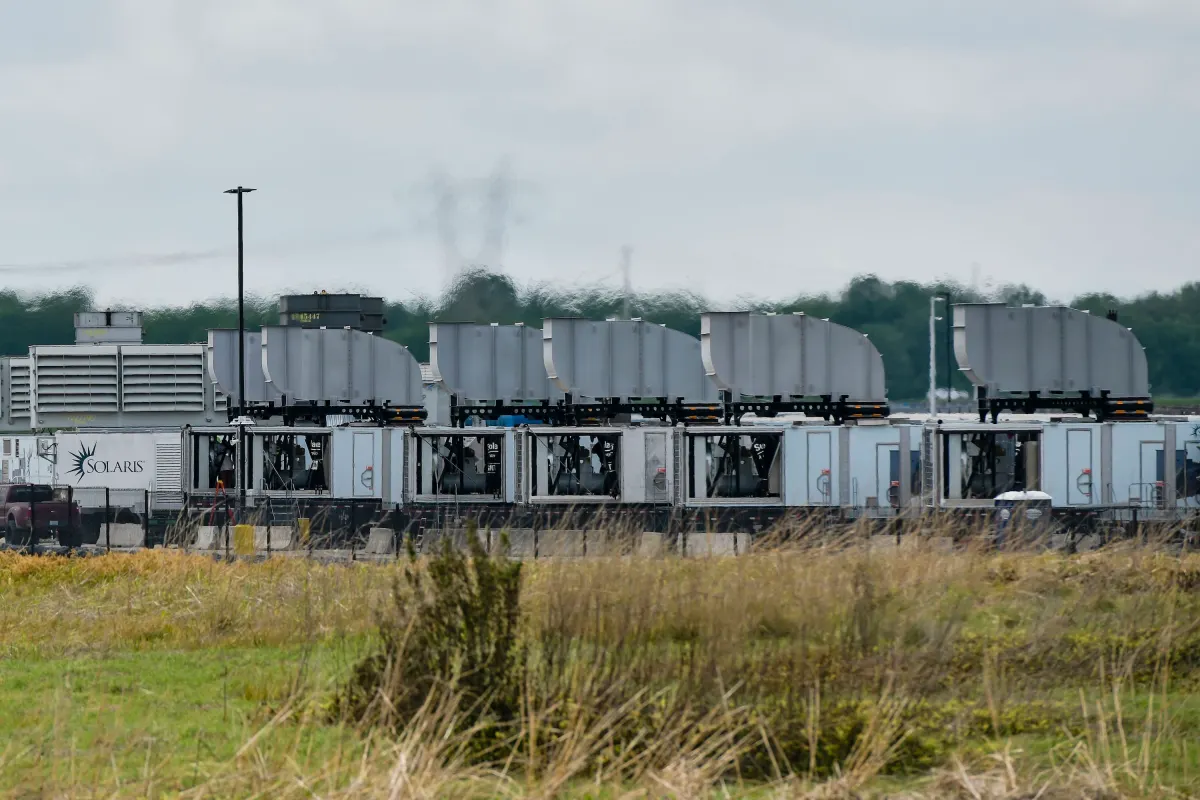
Why this visual matters: The image highlights the ongoing debate surrounding the New York data center moratorium, emphasizing the need for sustainable data center operations and their impact on local communities.
Finally, the proposed legislation could lead to a reevaluation of energy policies at the state and federal levels. As lawmakers push for a more sustainable approach to data center operations, we may see a shift in energy regulations that prioritize renewable energy sources and energy efficiency measures. This could create a ripple effect across various industries, prompting a broader discussion on sustainability and corporate responsibility.
Frequently Asked Questions
What is the purpose of the proposed moratorium on data centers in New York?
The proposed moratorium aims to pause the construction and operation of new data centers for at least three years to allow lawmakers to develop policies that address the environmental and economic impacts of these facilities on local communities.
How could the moratorium affect existing data centers?
Existing data centers may benefit from reduced competition as new entrants are delayed, allowing established players to maintain their market dominance. However, they may also face increased operational costs and scrutiny regarding their energy usage and environmental impact.
What are the potential long-term effects of this moratorium on the technology sector?
The moratorium could lead to a shift in how companies approach their infrastructure, fostering innovations in energy efficiency and sustainable practices. It may also create opportunities for smaller firms to thrive in a more diversified market landscape.
How might energy suppliers be affected by the proposed legislation?
Energy suppliers may need to recalibrate their forecasts and investment strategies as the demand for energy stabilizes with the slowdown in data center expansion. This could lead to both challenges and opportunities in the energy market.
Meet the Analyst
Marcus Vance, Tech Editor – With a decade of experience in technology journalism, Marcus brings a keen understanding of market dynamics and a passion for exploring the intersection of technology and sustainability.
Last Updated: March 2026 | HustleBotics Editorial Team