
Core Analysis of Breakthrough Ventures
The recent announcement by Roman Scott and Itbaan Nafi regarding the establishment of Breakthrough Ventures represents a significant development in the realm of student entrepreneurship. With a fund of $2 million, the accelerator aims to support businesses founded by college students and recent graduates across the United States. This initiative follows a series of Demo Days at Stanford, which showcased the potential of student-led startups and their ability to attract attention and investment.
According to a report by PitchBook, venture capital investment in early-stage startups has seen a resurgence, with a record $130 billion allocated in 2023 alone. This trend indicates a ripe environment for new accelerators that cater specifically to the unique needs of young entrepreneurs. With the backing of notable investors such as Mayfield and Collide Capital, Breakthrough Ventures is poised to leverage this funding boom to attract innovative ideas from student founders across various sectors, including health, consumer tech, deep tech, and sustainability.
The founders emphasize that their accelerator is designed “for student founders, by student founders.” This personal touch is crucial as it aligns the program with the specific challenges faced by young entrepreneurs, particularly in accessing capital and networking opportunities. A 2022 study by the Kauffman Foundation highlighted that over 70% of student entrepreneurs reported difficulties in securing funding, underscoring the necessity for tailored support systems like Breakthrough Ventures.
The hybrid model of Breakthrough Ventures, which includes in-person meetups with venture capital firms and culminates in a Demo Day at Stanford, is particularly noteworthy. This format not only enhances networking opportunities but also provides practical exposure to the realities of fundraising, which is often a daunting aspect of the entrepreneurial journey. Participants will receive grant funding of up to $10,000, computing credits, legal support, mentorship, and the potential for a follow-on investment of $50,000, creating a comprehensive support system for nascent entrepreneurs.
Second-Order Effects
While the immediate impact of Breakthrough Ventures is evident in its support for student entrepreneurs, the second-order effects could be transformative for the broader startup ecosystem. One significant implication is the potential shift in the perception of entrepreneurship among college students. As more students engage in startup activities, we may witness a cultural shift that normalizes entrepreneurship as a viable career path.
This cultural shift could lead to a more robust pipeline of talent entering the startup ecosystem. With the accelerator’s goal of incubating at least 100 companies over three years, we might see an increase in entrepreneurial activity on college campuses. This influx of new startups could foster a collaborative environment, encouraging cross-pollination of ideas and resources among students from different institutions.
Moreover, the focus on addressing funding and opportunity gaps may inspire other educational institutions to establish similar programs, leading to a proliferation of student-focused accelerators nationwide. The success of Breakthrough Ventures could serve as a blueprint for how universities can better support their entrepreneurial students, potentially leading to a more diverse range of startups and innovations.
Furthermore, as graduates from this program enter the workforce, they may carry forward the entrepreneurial mindset, influencing corporate cultures and potentially leading to the establishment of intrapreneurial initiatives within established companies. This could disrupt traditional corporate structures, encouraging a more agile and innovative approach to problem-solving within larger organizations.
Data & Competition
The landscape for startup accelerators is becoming increasingly competitive, with various institutions vying to attract the brightest young minds. Notable competitors include UC Berkeley’s Free Ventures and MIT’s Sandbox Innovation Fund, both of which have established frameworks to support student entrepreneurs. However, Breakthrough Ventures distinguishes itself by being entirely student-led and focusing specifically on the unique challenges faced by young founders.
Data from the National Venture Capital Association indicates that the number of accelerators has quadrupled over the past decade, highlighting the growing recognition of their importance in nurturing early-stage companies. As more accelerators emerge, the competition for top-tier talent and innovative ideas will intensify.
Notably, the success of Breakthrough Ventures could influence the allocation of venture capital in the coming years. If the accelerator produces successful startups, it may encourage venture capital firms to increase their investments in student-led ventures, further fueling the growth of this segment. Conversely, if the accelerator struggles to generate successful outcomes, it could deter future investments in similar initiatives, leading to a potential decline in support for student entrepreneurs.
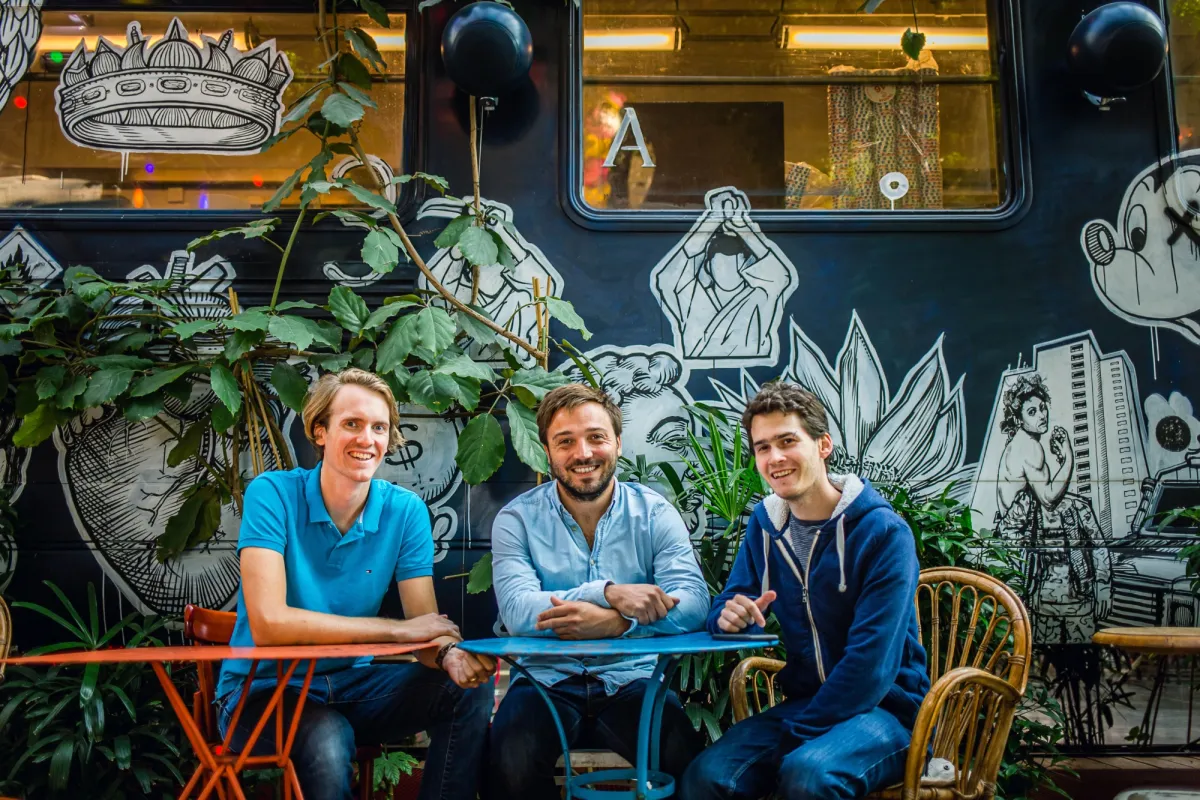
Why this visual matters: This image encapsulates the essence of Breakthrough Ventures Accelerator, emphasizing its focus on student entrepreneurship and innovation. By highlighting the accelerator’s mission, we reinforce the importance of supporting young founders in their entrepreneurial journeys.
The financial landscape for startups is also shifting, with a growing emphasis on sustainability and social impact. As highlighted by the Global Impact Investing Network, impact investments reached $715 billion in 2023, indicating a preference among investors for ventures that not only promise financial returns but also contribute positively to society. Breakthrough Ventures’ focus on sustainability startups positions it well within this trend, potentially attracting a wider range of investors looking to make a difference.
Frequently Asked Questions
What is Breakthrough Ventures?
Breakthrough Ventures is a $2 million startup accelerator founded by two Stanford students, Roman Scott and Itbaan Nafi, designed to support businesses established by college students and recent graduates across the nation.
What resources does Breakthrough Ventures provide to participants?
The accelerator offers grant funding (up to $10,000), computing credits, legal support, mentorship, and the opportunity for follow-on investment of $50,000 at the program’s conclusion.
How does Breakthrough Ventures differ from other accelerators?
Breakthrough Ventures is uniquely tailored for student founders, being led by students themselves, which allows for a deeper understanding of the challenges young entrepreneurs face compared to traditional accelerators.
How many companies does Breakthrough Ventures aim to incubate?
The accelerator aims to incubate at least 100 companies over a three-year period.
Meet the Analyst
Marcus Vance, Tech Editor – A seasoned journalist with over a decade of experience in the tech and startup sectors, Marcus provides insights into emerging trends and the intersection of technology and entrepreneurship.
Last Updated: March 2026 | HustleBotics Editorial Team