Gizmo: A New Era in Interactive Media
The launch of Gizmo, which has been dubbed “the TikTok of interactive, vibe-based mini apps,” signifies a pivotal moment for digital interactivity. As reported by Appfigures, the app has already amassed approximately 600,000 downloads, indicating a robust initial reception. This figure is particularly noteworthy given that nearly half of these downloads originated from the U.S. market alone. The app’s unique selling proposition lies in its ability to allow users to create and manipulate digital experiences with minimal technical expertise.
According to a recent report by TechCrunch, the interactive media landscape has been evolving, with users increasingly seeking platforms that offer a blend of creativity and engagement. This aligns with findings from a report by Statista, which highlighted a growing demand for user-generated content platforms that prioritize interactivity and customization. Gizmo fits perfectly into this trend, enabling users to create and share mini applications through simple natural language prompts.
The app’s design allows users to engage with content in a manner that transcends traditional media consumption. Unlike platforms that primarily focus on passive viewing, Gizmo invites users to tap, swipe, and remix their experiences, creating a dynamic and participatory environment. This shift towards active engagement could redefine how users interact with digital content, as noted in a report by Nielsen on the future of media engagement.
Second-Order Effects
While the immediate appeal of Gizmo is evident, its introduction could lead to several second-order effects within the industry. One significant implication is the potential for a new wave of creativity as users experiment with the app’s capabilities. This democratization of content creation may lead to an influx of innovative applications, further blurring the lines between gaming, art, and social media.
Moreover, the rise of platforms like Gizmo could catalyze a shift in how developers approach app creation. As the app simplifies the coding process through advanced technology, we may see a decline in the need for traditional coding skills among creators. This could lead to a more diverse range of creators entering the digital space, fostering a culture of experimentation and collaboration.
Conversely, the success of Gizmo could pose challenges to established platforms. As users gravitate towards interactive experiences, traditional content-sharing platforms may need to innovate rapidly to retain their user base. This competitive pressure could lead to an acceleration of features aimed at enhancing interactivity, which may not only benefit users but also drive industry-wide innovation.
Data & Competition
The competitive landscape surrounding Gizmo is multifaceted, with several key players vying for dominance in the interactive media space. Platforms like TikTok and Instagram Reels have set the standard for short-form content, but Gizmo’s unique approach to user-generated interactive applications presents a formidable challenge.
Analyzing Gizmo’s performance metrics reveals a rapid growth trajectory, particularly in its early months. With a 312% increase in downloads from October to December, the app’s momentum is undeniable. This growth can be attributed to its engaging user interface and the ease with which users can create and share content.
In contrast, established platforms have seen a plateau in user engagement, as evidenced by a report from eMarketer, which noted a decline in user growth for traditional social media apps. This shift in user behavior suggests that the market is ripe for disruption, and Gizmo’s innovative approach may be well-timed to capitalize on this trend.
However, it is essential to consider the challenges Gizmo may face in establishing a loyal user base. The app’s reliance on user-generated content means that its success is contingent on maintaining a vibrant and diverse community of creators. If Gizmo fails to foster an engaging environment, it risks losing users to competitors that offer more robust interactive features.
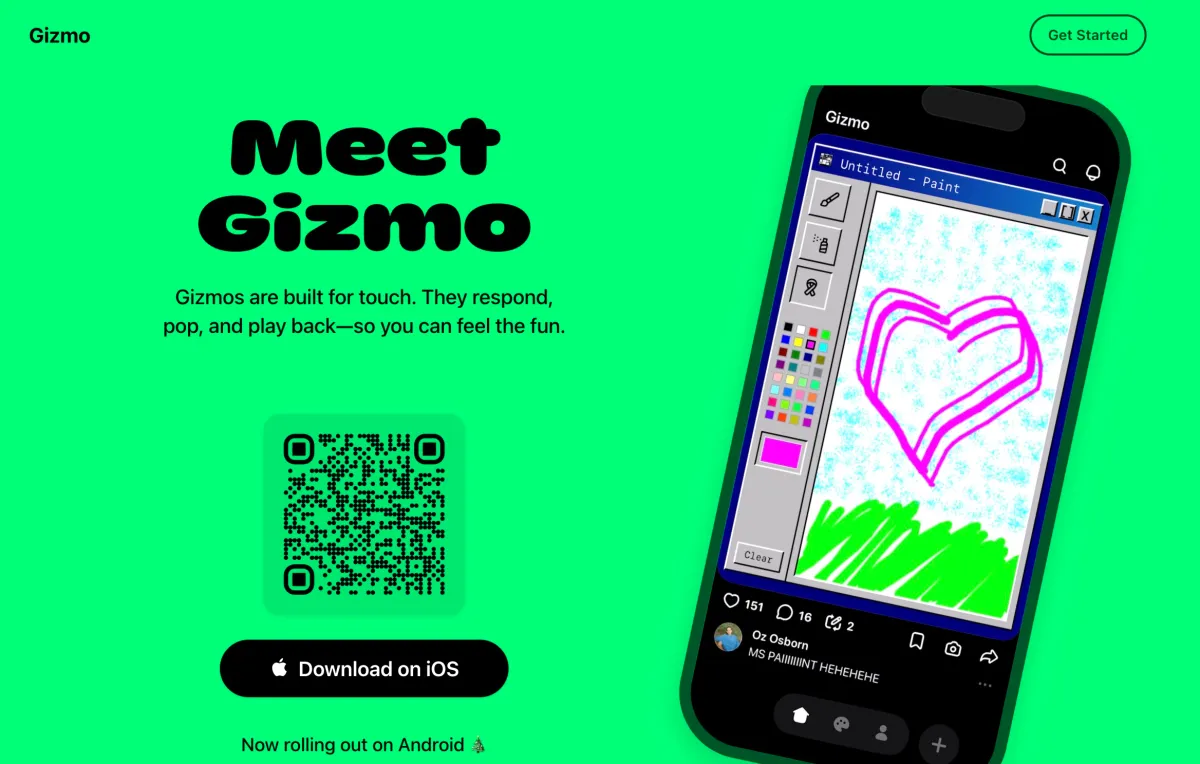
Why this visual matters: The image encapsulates the essence of Gizmo, showcasing its innovative approach to interactive apps similar to TikTok. This visual representation emphasizes the app’s potential to revolutionize user engagement and creativity in digital media.
As Gizmo continues to grow, it will be crucial for Atma Sciences to implement strategies that encourage user retention and community building. Engaging users through regular updates, new features, and community-driven events could help maintain interest and foster loyalty.
Frequently Asked Questions
What makes Gizmo different from traditional social media platforms?
Gizmo focuses on user-generated interactive applications, allowing users to create and engage with content through various tactile inputs. Unlike traditional platforms that primarily promote passive content consumption, Gizmo encourages active participation and creativity.
Is coding knowledge required to use Gizmo?
No, Gizmo is designed for users of all skill levels. Users can create interactive experiences by simply entering natural language prompts, and the app utilizes advanced technology to generate the necessary code automatically.
How can users share their creations on Gizmo?
Users can share their mini applications through the app’s feed, send them to friends, or post them on social media via unique URLs. This sharing capability enhances user engagement and promotes community interaction.
What challenges could Gizmo face in the competitive landscape?
Gizmo’s reliance on user-generated content means it must cultivate an active and diverse creator community. Additionally, it faces competition from established platforms that may innovate rapidly to retain user interest.
Meet the Analyst
Marcus Vance, Tech Editor – With over a decade of experience in technology journalism, Marcus specializes in analyzing trends in digital media and interactive applications. He is passionate about exploring the intersection of technology and creativity.
Last Updated: March 2026 | HustleBotics Editorial Team