🌐 CONTEXT & BACKGROUND
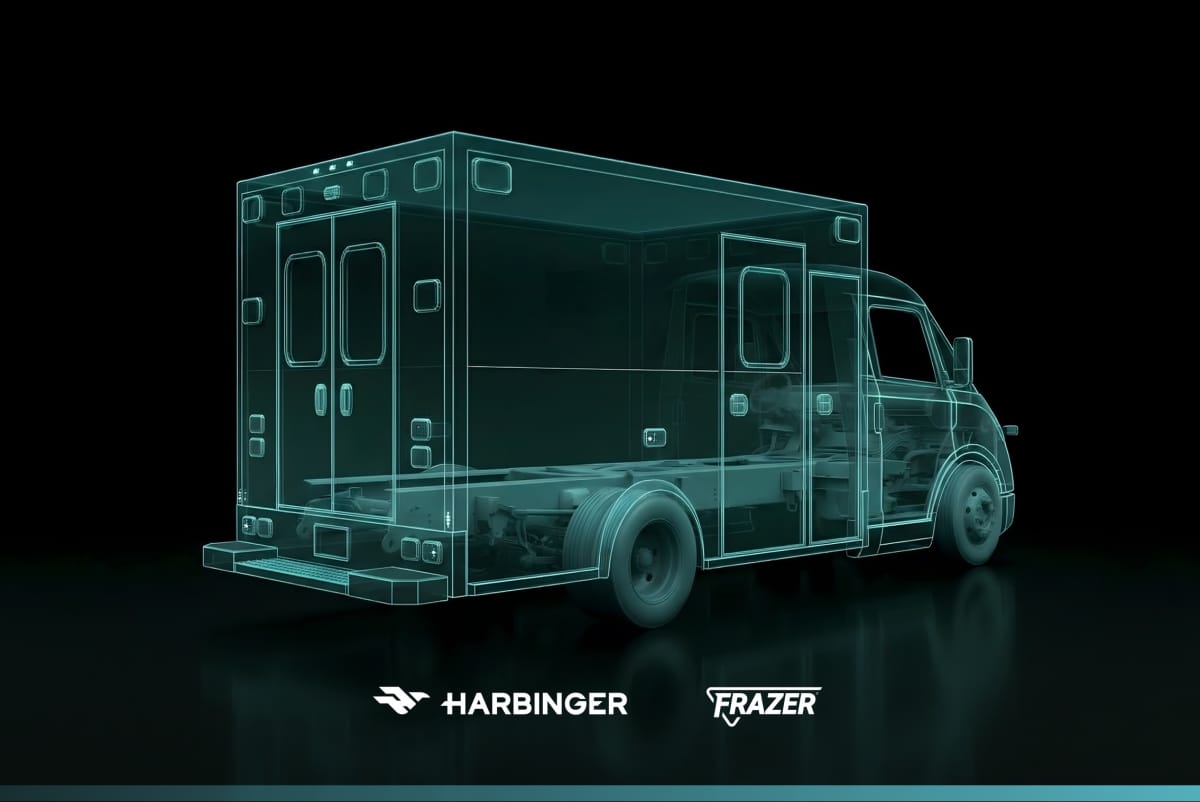
In a world increasingly driven by sustainability, the emergence of innovative solutions is critical for entrepreneurs aiming to remain competitive. Harbinger’s recent partnership with Frazer to deliver hybrid electric ambulances marks a pivotal shift in the transportation sector, particularly in emergency response and healthcare mobility.
The journey of electric and hybrid vehicles has been tumultuous, filled with technological advancements and market challenges. Historically, the trucking and emergency vehicle segments struggled with outdated combustion engines, inefficiency, and environmental concerns. Enterprises were seeking alternatives that could solve critical issues such as high maintenance costs, fuel inefficiencies, and burgeoning emissions norms.
📊 MARKET IMPACT ANALYSIS
As Harbinger integrates its electric vehicle platform into Frazer’s operations, we see a clear delineation in industry winners and losers. Among the most notable winners is Harbinger itself, which expands its clientele into a lucrative market segment—emergency vehicles. The move will undoubtedly fortify Harbinger’s financial standing and brand reputation, having already raised over $300 million fuelled by its flexible technology.
The losers in this scenario are entrenched manufacturers of conventional combustion engine vehicles, who may soon find themselves sidelined as regulations tighten and consumers demand cleaner options. This collaboration introduces a new era of automation in emergency response, a field historically resistant to change, posing a significant challenge to legacy competitors.
Specific industries that could experience disruption include ambulatory services, municipal emergency departments, and healthcare logistics. The integration of sophisticated, more economical vehicles will prompt existing players to rethink their operational models while presenting a lucrative investment opportunity for startups looking to innovate in this space.
⚔️ COMPETITIVE COMPARISON
Harbinger’s hybrid electric platform stands apart from its competitors due to its exceptional adaptability. Unlike many traditional models that offer limited customization, Harbinger’s offering includes a modular chassis that can be modified in terms of length and configuration to meet client requirements. Moreover, the platform allows for the integration of a range-extending combustion engine, a feature not commonplace in prevailing models.
Historically, competitors like Rivian and Lordstown Motors have struggled with scalability and customer acquisition, focusing largely on passenger vehicles rather than diversifying into commercial applications. A critical benchmark lies in Harbinger’s reported 99.5% part commonality across different vehicle types, a statistic that could fundamentally disrupt supply chain efficiencies in the automotive sector.
🛠️ REAL-WORLD USE CASES & MONETIZATION
The versatility of Harbinger’s hybrid platform opens numerous avenues for startups and solo-hustlers to monetize this transformative technology immediately:
- ⚡ **Mobile Healthcare Services**: Leverage ambulance and mobile healthcare vehicles to partner with hospitals and clinics, streamlining patient care while generating revenue from essential services.
- ⚡ **Auxiliary Power Generation**: Offer battery-powered auxiliary power units to replace traditional generators, catering to both hybrid and older combustion emergency vehicles. This presents an opportunity to supply municipalities and private services seeking off-grid power solutions.
- ⚡ **Custom Fleet Solutions**: Start a consulting service focused on integrating Harbinger’s hybrid platform into existing fleets, providing tailored solutions to businesses looking to transition to greener models.
📈 DATA & TRENDS
The electric vehicle market is projected to grow at a staggering CAGR of 22% between 2021 and 2026. With investments into sustainable technologies hitting unprecedented heights, Harbinger is well-positioned amidst this surge. By 2026, the sector is estimated to be worth over $800 billion globally, creating vast opportunities for businesses willing to innovate.
Estimates suggest that the auxiliary power market alone could represent a multi-billion-dollar industry by 2025, as more municipalities rally around cleaner technologies. User adoption of hybrid platforms in emergency services is expected to increase dramatically, particularly in regions with stringent emissions regulations.
🧠 HUSTLEBOTICS EDITORIAL INSIGHT
Based on our analysis at HustleBotics, the implications of Harbinger’s partnership extend far beyond immediate financial gains. This move signals a larger trend toward electrification in special-purpose vehicles, marking a transformative shift in operational efficiency and sustainability. Such changes will inherently alter consumer preferences and regulatory landscapes, challenging existing paradigms and encouraging new entrants into the market.
🔮 FUTURE PREDICTIONS
In six months, expect to see early adopters within the emergency response sector significantly benefiting from reduced operational costs and increased uptime. This could set off a ripple effect that encourages broader adoption across other states and industries.
In two years, we anticipate a dramatic pivot point in the industry as more municipalities embrace Harbinger’s platform, essentially normalizing hybrid solutions in emergency medical services. Far from being mere hype, this collaboration sets the stage for long-term shifts toward sustainability and operational profitability.
❓ FAQ SECTION
What is Harbinger’s hybrid platform?
Harbinger’s hybrid platform is a flexible electric vehicle chassis that can be customized for diverse applications, including ambulances and delivery vans, aimed at enhancing operational efficiencies and cutting down emissions.
How can businesses adopt Harbinger’s technology?
Businesses can adopt Harbinger’s technology by exploring partnerships with the company to integrate its platforms into their fleets for emergency services or logistics, taking advantage of reduced operational costs and increased uptime.
Can I monetize Harbinger’s auxiliary power units?
Absolutely! By offering battery-powered auxiliary power units to replace traditional generators, businesses can provide cleaner energy solutions to emergency vehicle operators and healthcare providers.
What industries will Harbinger disrupt?
Harbinger is set to disrupt industries including emergency medical services, healthcare logistics, and municipal transport, as traditional combustion engine vehicles become less viable amid stricter environmental regulations.
What are the growth prospects for hybrid vehicles?
The market for hybrid vehicles is on a collision course with significant growth, projected to reach over $800 billion by 2026, fueled by demand for sustainability and operational efficiency.