Core Analysis of Musk’s ‘Everything’ Business Vision
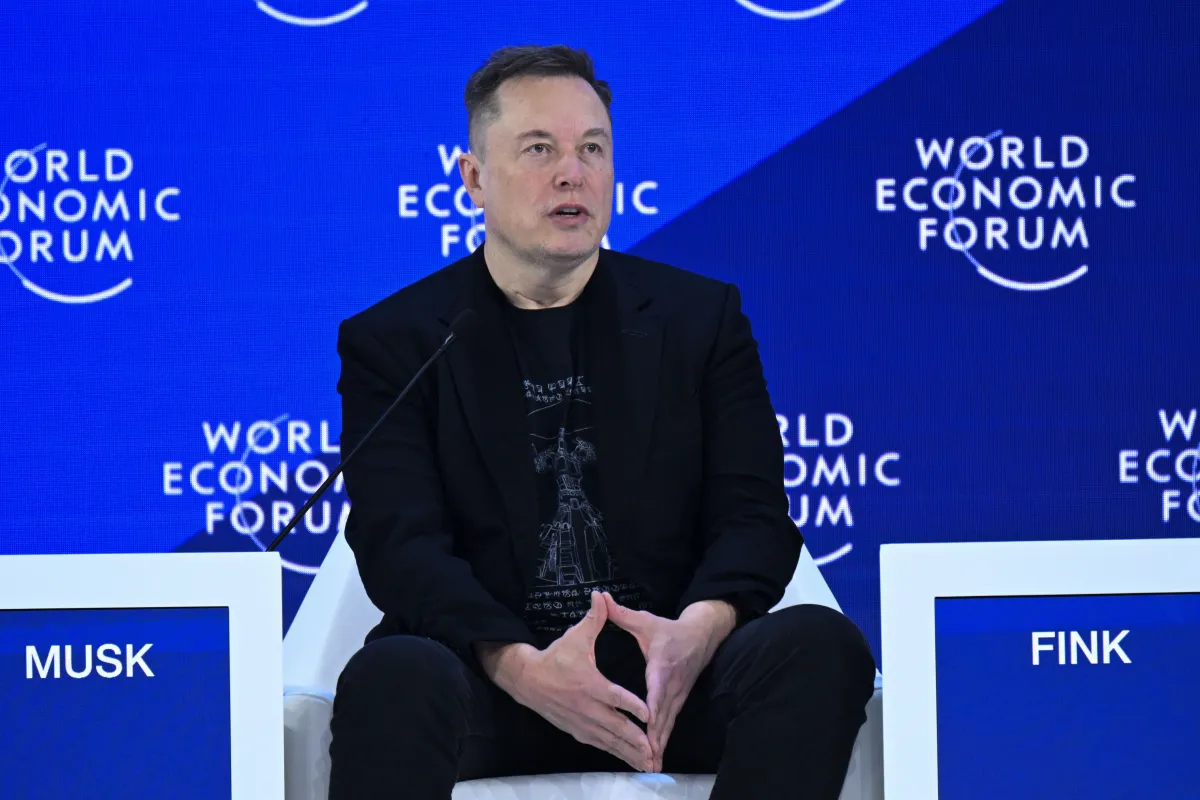
The recent announcement of Elon Musk merging the capabilities of SpaceX with xAI has sent ripples through Silicon Valley, raising questions about the future of technological innovation and corporate structure. According to a report by Morgan Stanley, which delves into the implications of such integrations, the speed at which companies innovate is the greatest determinant of their market success. Musk’s assertion that “the outcome of technological success is dictated by the pace of innovation” resonates deeply with this analysis.
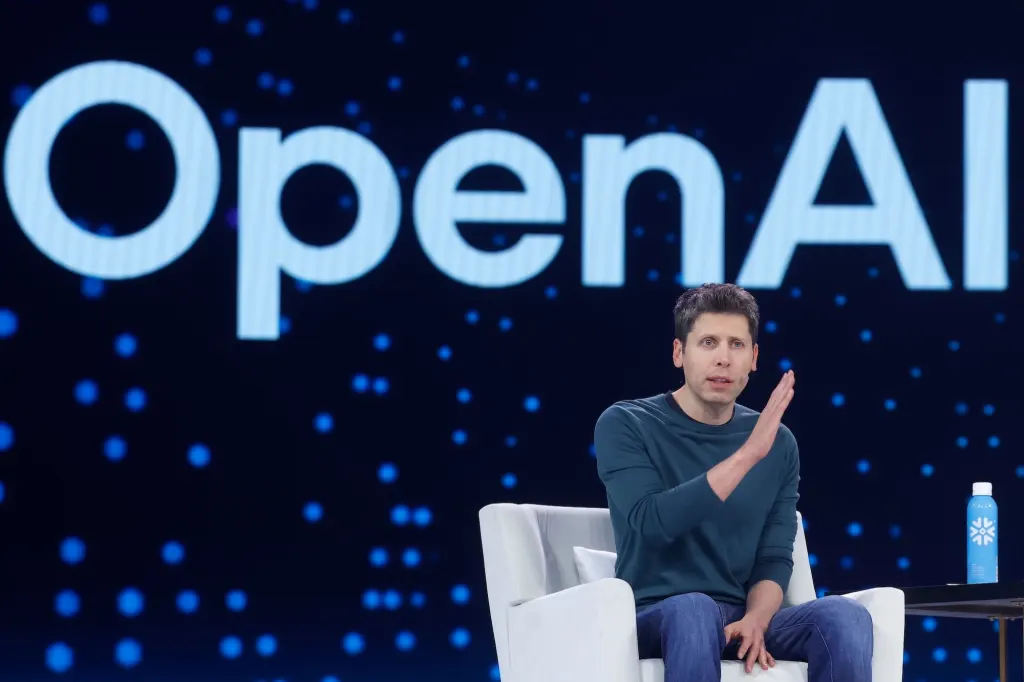
With a staggering net worth of $800 billion, Musk’s financial prowess is akin to the historic conglomerate GE at its peak. This unique position allows him to not only envision an “everything” business but also to implement it. A recent report from Deloitte highlighted the potential for such conglomerates to leverage diverse technological capabilities, ultimately resulting in increased market share and consumer loyalty. However, the real question is how far Musk intends to push this vision and whether it will inspire other tech leaders, like Sam Altman, to follow suit.
In this context, Musk’s integration of SpaceX and xAI is not merely a business move; it represents a shift in how innovation is perceived and executed within the tech industry. The combination of aerospace technology and advanced computational intelligence could lead to groundbreaking advancements across multiple domains, including transportation, communication, and even space exploration.
Second-Order Effects
While many analysts focus on the immediate implications of Musk’s business strategies, the second-order effects deserve equal scrutiny. The fusion of SpaceX and xAI may catalyze shifts in competitive dynamics, not just for Musk but for the entire landscape of technology firms.
Impact on Smaller Firms
Smaller firms may find themselves under increased pressure to innovate rapidly or risk obsolescence. With Musk setting a high bar for technological advancement, startups may need to adopt agile methodologies and innovative thinking to remain relevant. This could lead to a wave of mergers and acquisitions as smaller players seek to consolidate resources and capabilities to compete effectively.
Potential Regulatory Scrutiny
Moreover, the amalgamation of such powerful entities may attract regulatory scrutiny. Governments and regulatory bodies may view this consolidation as a threat to fair competition, leading to potential antitrust investigations. As Musk pushes boundaries, he may inadvertently invite challenges that could slow down his ambitious vision.
Shift in Consumer Expectations
On the consumer side, the expectations for technology and innovation will likely evolve. As Musk continues to integrate diverse capabilities, consumers may begin to anticipate more seamless and interconnected products. This shift could pressure other tech giants to rethink their product offerings and customer engagement strategies, further intensifying competition.
Data & Competition
The competitive landscape is shifting dramatically as Musk’s ventures gain momentum. In this section, we will analyze the potential winners and losers in light of the SpaceX and xAI fusion.
Winners: Tech Giants and Established Players
Tech giants like Amazon and Google, which have established their own ecosystems, may find themselves in a position to leverage Musk’s advancements to enhance their offerings. By partnering with or acquiring emerging technologies from Musk’s ventures, they could strengthen their market positions and broaden their reach.
Losers: Traditional Industries and Legacy Companies
Conversely, traditional industries that fail to adapt may face significant challenges. Legacy companies in sectors like automotive and telecommunications could struggle to keep pace with the rapid advancements driven by Musk’s innovative approach. The integration of aerospace and computational intelligence may render existing business models obsolete, forcing these companies to pivot or risk extinction.
Market Impact Analysis
According to a recent report by McKinsey, businesses that adopt a proactive approach to innovation can achieve up to 60% higher growth than their less agile counterparts. As Musk continues to drive innovation through his integrated ventures, the market impact will be significant. Companies that hesitate to adapt will find themselves at a competitive disadvantage.
Why this visual matters: This image encapsulates Elon Musk’s vision for an ‘everything’ business, illustrating the synergy between SpaceX and xAI. With the fusion of these entities, Musk is poised to redefine market dynamics and consumer expectations in the technology landscape.
Core Execution Protocol
Core Execution Protocol
Embrace innovation by exploring partnerships or acquisitions that align with your strategic vision to stay competitive in the evolving tech landscape.
Frequently Asked Questions
What does Musk’s integration of SpaceX and xAI mean for the tech industry?
The integration signifies a shift towards a more interconnected approach to technological innovation, potentially setting new benchmarks for competition and consumer expectations.
How might smaller firms be affected by Musk’s vision?
Smaller firms may face increased pressure to innovate rapidly, leading to potential mergers and acquisitions as they seek to consolidate resources and compete effectively.
Will regulatory bodies intervene in Musk’s ventures?
Yes, the consolidation of such powerful entities may attract regulatory scrutiny, potentially leading to antitrust investigations and challenges that could impact Musk’s ambitions.
Meet the Analyst
Marcus Vance, Tech Editor – With over a decade of experience in technology journalism, Marcus specializes in analyzing trends and innovations in the tech industry, providing insights that help shape strategic business decisions.
Last Updated: March 2026 | HustleBotics Editorial Team