🌐 CONTEXT & BACKGROUND
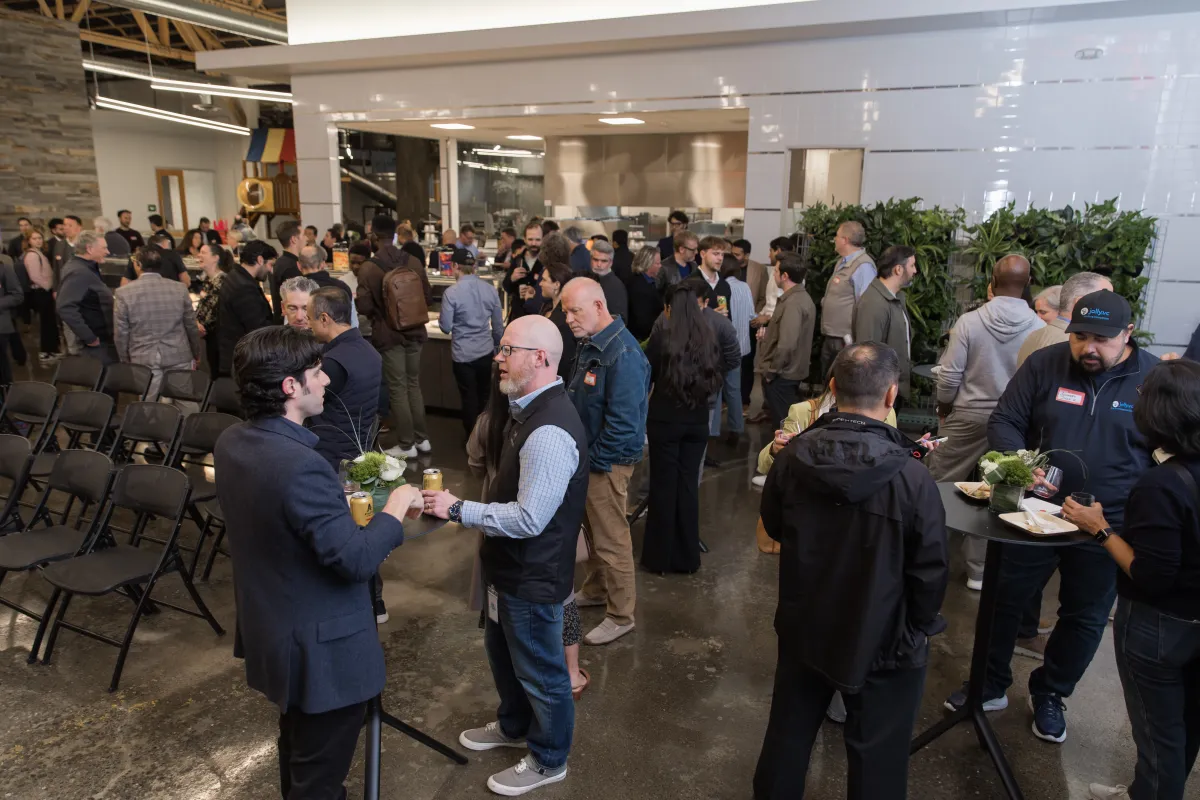
In an era where networking drives success for entrepreneurs, the emergence of new platforms extends reach and visibility like never before. The announcement of community-driven events, such as Side Events during the Founder Summit, empowers startups to showcase their offerings while tapping into a rich vein of collaboration.
The history of networking technology has evolved from simple forums and trade shows to sophisticated, interconnected ecosystems that enable startups to connect, share resources, and propel growth. Previously, the market was fragmented, creating silos where only a select few had access to critical partnerships and market insights. Now, as dynamic networking models evolve, entrepreneurs find themselves armed with extensive support and resources, effectively democratizing access to innovation.
📊 MARKET IMPACT ANALYSIS
The launch of Side Events heralds a significant shift in how businesses can leverage networking opportunities. The primary winners in this scenario are startups looking to elevate their visibility. Hosting a Side Event allows entrepreneurs to not just showcase their brand, but also form alliances that can propel them into new markets and customer bases.
On the flip side, traditional networking methods—like underwhelming conference booths—may face decline as startups opt for more engaging, host-led formats. As this trend unfolds, sectors such as tech, healthcare innovation, and creative industries will experience disruption, emphasizing the need for adaptation and agility.
For entrepreneurs, financial opportunities abound. The visibility gained from hosting a Side Event could lead to vital investor interactions, partnerships, or even immediate sales boosts, transforming the financial trajectory of smaller startups into rapid growth stories.
⚔️ COMPETITIVE COMPARISON
Traditionally, networking events relied heavily on established platforms where both participation and visibility were often limited. Compared to previous models, the introduction of Side Events brings a new layer of flexibility and accessibility, allowing hosts to curate experiences that resonate deeply with their target audience. Unlike generic conferences with static agendas, this model can adapt to real-time feedback and evolving community needs.
When benchmarking against direct competitors, platforms focusing on hybrid networking (both online and offline) may falter in terms of audience engagement. The core advantage of Side Events lies in its ability to provide a unique atmosphere where connections feel organic rather than transactional.
🛠️ REAL-WORLD USE CASES & MONETIZATION
The following are three actionable workflow ideas for startups eager to capitalize on this opportunity:
- ⚡ **Showcase Your Innovation:** Pivot your product launch into a local Side Event, incorporating workshops that involve the audience directly in experiencing your offerings.
- ⚡ **Collaborative Networking:** Partner with another startup and co-host a Side Event to pool both audiences and resources. This can lead to cross-promotional opportunities and shared customer bases.
- ⚡ **Targeted Customer Engagement:** Utilize the Side Event to host focus groups where potential customers can give feedback on your product, allowing for real-time refinement and building loyalty before even rolling out your offering.
📈 DATA & TRENDS
The startup ecosystem continues to flourish, with projected investments in community-driven networking platforms expected to reach $5 billion by 2026. Coupled with an anticipated compound annual growth rate (CAGR) of 12% for targeted networking events, the landscape looks set for exponential growth.
An important trend to note is user adoption, which is moving towards more personalized and engaging formats. Recent analytics illustrate that over 60% of startups now prioritize networking as a critical business development avenue, positioning Side Events favorably in the market.
🧠 HUSTLEBOTICS EDITORIAL INSIGHT
Based on our analysis at HustleBotics, it’s clear that the evolution of networking modalities will shape the future of entrepreneurial ecosystems. The emergence of Side Events not only reflects changing consumer preferences toward personalized engagement but also marks a pivotal shift in how businesses foster brand loyalty and open doors to opportunities. Startups investing time in these innovative formats will likely find themselves ahead of the curve.
🔮 FUTURE PREDICTIONS
In the next six months, we anticipate a surge in the number of Side Events hosted across the country, with startups harnessing this momentum to enhance their visibility and market traction. Within two years, the model will likely solidify itself as a staple in the entrepreneurial landscape, shifting the paradigm for how connections are made and leveraged.
While there may be pushback from traditional networking norms, the overarching trend signifies a pivot point that empowers startups to take control of their brand narratives and community engagements. This is more than just a passing trend—it’s a vital evolution.
❓ FAQ SECTION
What is a Side Event?
A Side Event is an independent networking gathering that operates alongside a primary event like the Founder Summit, allowing entrepreneurs to engage their audience in a curated atmosphere.
How to host a Side Event?
To host a Side Event, outline your objectives, select a venue, and promote it through various channels to attract attendees. You’ll also want to curate the experience to align with your brand values.
Can I monetize my Side Event?
Absolutely! You can monetize through ticket sales, sponsorships, product demos, or even partnerships with other startups to share costs and audiences.
What types of activities can be included in a Side Event?
Activities may range from networking mixers, workshops, and product showcases to panel discussions and community engagement activities. The key is to create engaging experiences that resonate with your audience.
How do I promote my Side Event?
Promoting your Side Event can be achieved through social media campaigns, email marketing, influencer collaborations, and leveraging existing networks to maximize audience reach.