🌐 CONTEXT & BACKGROUND
The recent negotiations between Helion and OpenAI carry monumental implications for entrepreneurs aiming to harness energy innovation for their ventures. As we forge ahead into a future increasingly reliant on sustainable energy sources, the potential partnership between a fusion startup and a major player in automation represents a critical crossroads in the energy landscape.
The journey toward harnessing fusion power has been fraught with challenges and hope. Initiatives began as early as the 20th century, marked by significant breakthroughs, yet the dream of achieving viable, commercial fusion energy remained elusive for decades. Traditional energy markets relied heavily on fossil fuels and nuclear fission, leading to environmental concerns and diminishing resources. Enter fusion technology: a promising solution aimed at providing abundant, safe, and zero-emission energy by mimicking the sun’s energy-producing processes.
📊 MARKET IMPACT ANALYSIS
This unfolding partnership presents both lucrative opportunities and systemic challenges across several industries. At the forefront of this transformation, energy production is primed for disruption. As Helion makes strides with its innovative reactor design, competition within the energy sector is set to intensify.
The winners in this scenario include Helion, which stands to solidify its pioneering position in the fusion energy market, raising a staggering $425 million and potentially securing contracts with industry titans. On the downside, incumbent energy providers, particularly those heavily invested in fossil fuels, face existential risks as clean energy becomes both a consumer preference and a regulatory requirement.
Industries such as manufacturing, transportation, and data centers are poised for notable advancements through the integration of fusion-generated energy, with business leverage extending to cost savings and sustainability initiatives. This energy revolution will lead to financial opportunities, especially for startups innovating on energy efficiency, automation, and clean technology.
⚔️ COMPETITIVE COMPARISON
Helion’s proprietary technology offers a unique divergence from established fusion contenders, primarily utilizing magnetic fields for energy conversion rather than relying on traditional steam-turbine electricity generation. The firm is racing against time to deliver commercial power—while others, like ITER and Tokamak Energy, continue to develop standard approaches leading to 2030s timelines.
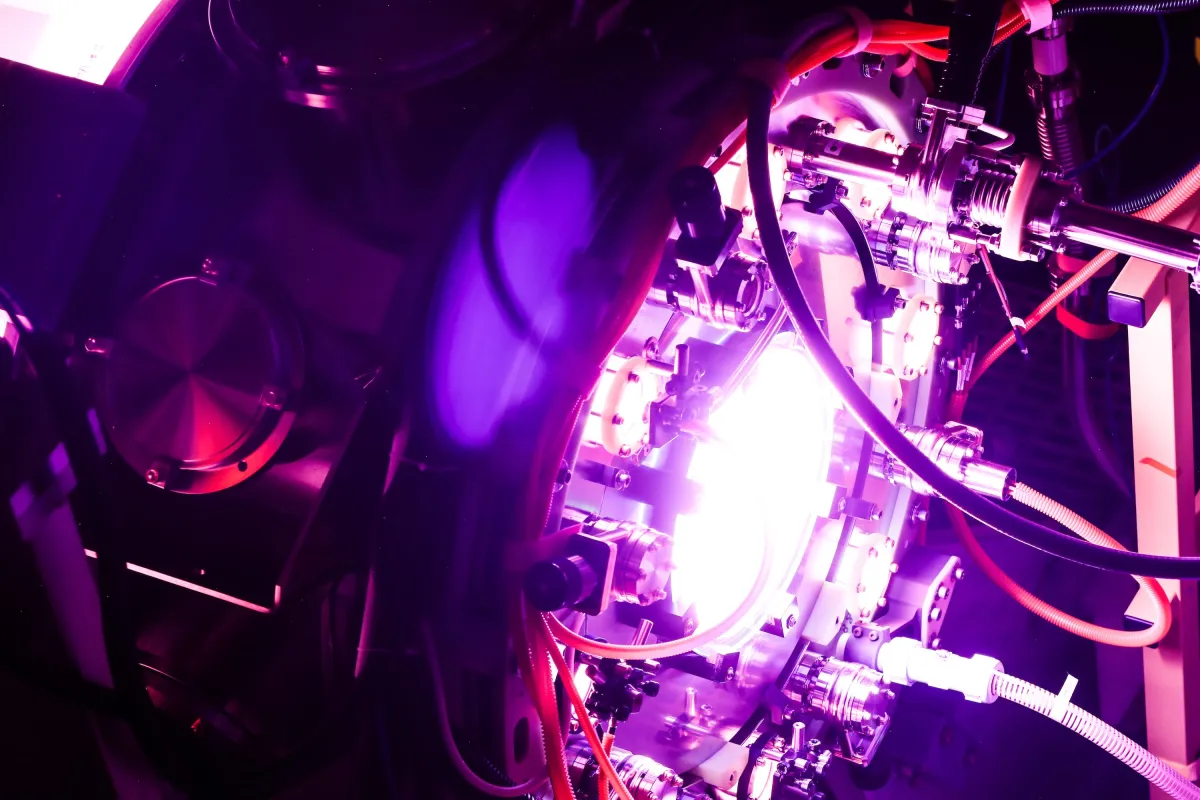
To understand Helion’s competitive advantage, consider the technical benchmarks: Helion’s Polaris prototype is reportedly capable of generating plasma at 150 million degrees Celsius, inching toward the 200 million degrees Celsius threshold needed for sustainable fusion reactions. This places Helion ahead of the competition, which largely lags in achieving such critical temperatures.
Given the strategic investment from leading figures like Sam Altman, Helion’s roadmap not only prioritizes rapid production scalability but also paves the way for a cleaner energy horizon.
🛠️ REAL-WORLD USE CASES & MONETIZATION
Enterprises and startups can capitalize on this energy transformation in various innovative ways:
- ⚡ Energy Resell Models: Establish a business providing energy at competitive rates from Helion’s fusion sources to local businesses and homes.
- ⚡ Efficiency Consulting: Use automation frameworks to audit energy consumption in existing infrastructures, proposing upgrades to leverage fusion-derived power.
- ⚡ Green Tech Innovations: Develop and market products or services that cater specifically to industries seeking sustainable power solutions, including software for optimizing energy use.
📈 DATA & TRENDS
The fusion energy market is projected to see exponential growth, with estimates suggesting a compound annual growth rate (CAGR) of around 30% through 2026. Investment figures for this sector were approximately $1.5 billion last year, with a surge expected as large-scale players and venture firms ramp up interest.
User adoption is also on a favorable trajectory, with forecasts indicating that the number of businesses utilizing derived fusion energy could double by the end of 2026. Given the trajectory of climate regulations and market dynamics, these numbers underscore an urgent move towards cleaner energy alternatives.
🧠 HUSTLEBOTICS EDITORIAL INSIGHT
Based on our analysis at HustleBotics, the fusion energy partnership between Helion and OpenAI is not merely a commercial endeavor—it heralds a pivotal moment for energy transition. The embrace of cleaner energy solutions aligns perfectly with the entrepreneurial drive to innovate. This key partnership could serve as a springboard, igniting a series of lucrative endeavors in green technology while reshaping traditional energy markets.
🔮 FUTURE PREDICTIONS
In the immediate future, the next six months will likely see intensified discussions leading to binding agreements, setting the stage for Helion’s production scaling and groundbreaking pilot programs. Over the next two years, if Helion succeeds in deploying its reactors, it could trigger a massive influx of investment toward scalable clean energy solutions, prompting a cascade of competitive innovations worldwide.
This moment may well be the pivot point for the energy sector—moving away from fossil fuels and towards a future where clean energy innovations become the norm. It’s not just hype; it represents profound, iterative change in how we approach energy supply and sustainability.
❓ FAQ SECTION (SEO Booster)
What is fusion energy and how does it work?
Fusion energy is produced by combining light atomic nuclei to form heavier nuclei, releasing vast amounts of energy efficiently, mirroring processes that power our sun.
How can Helion’s technology disrupt the energy market?
By offering a scalable method of generating clean energy, Helion can challenge traditional energy models, positioning itself as a key player in the ongoing energy transition.
Can businesses immediately use energy from fusion power?
While commercialization is still underway, partnerships like that of Helion and OpenAI serve as precursors for businesses to strategize on future energy sourcing.
What industries will benefit the most from Helion’s advances?
Industries reliant on high energy consumption like manufacturing, data centers, and transportation will benefit immensely through reduced costs and enhanced sustainability.
How can entrepreneurs leverage the fusion energy market?
Entrepreneurs can capitalize on emerging green tech opportunities, energy consulting, and direct partnerships with clean energy producers as the market evolves.