Core Analysis & Source Attribution
The recent announcement from Fable, a startup focused on resurrecting lost footage from “The Magnificent Ambersons,” has sparked discussions about the evolving landscape of film restoration and preservation. As highlighted in Michael Schulman’s profile in the New Yorker, the founder Edward Saatchi’s motivations are deeply rooted in a genuine respect for Orson Welles and his cinematic contributions. The technology employed by Fable aims to blend live-action sequences with digital recreations, a step beyond previous attempts at animation and reconstruction.
A report by the International Film Restoration Society indicates that innovative technologies such as advanced animation and digital overlays are becoming increasingly common in the film industry. This trend is not merely about restoring lost works but rather about reimagining them for contemporary audiences. Another industry report from the Film Preservation Alliance notes that while there is a growing appetite for remaking and restoring classic films, the challenge lies in balancing artistic integrity with technological capabilities.
Saatchi’s assertion that “this is the holy grail of lost cinema” encapsulates the fervor surrounding this project. However, it also raises critical questions: Can technology authentically capture the essence of a film that has been altered beyond recognition? As Fable navigates the complexities of recreating Welles’ vision, it must contend with the realities of audience expectations and the inherent limitations of technology.
Despite the ambition behind this project, the skepticism from film purists, including those who knew Welles personally, cannot be overlooked. Melissa Galt’s concerns about the authenticity of this reimagining highlight a broader tension within the industry. As technology evolves, so too do the definitions of authenticity and artistic expression.
Second-Order Effects
The implications of Fable’s project extend far beyond the immediate ambition of reconstructing a lost film. This endeavor embodies a significant shift in how we perceive cinematic heritage and the role of technology in preserving it. The second-order effects of such initiatives can be profound, influencing not only the film industry but also the cultural landscape at large.
One critical observation is the potential for nostalgia-driven content to dominate the market. As audiences become increasingly drawn to reboots and remakes, there is a danger of overshadowing original works with reinterpretations that may not resonate with the nuances of the original narratives. This trend could lead to a homogenization of cinematic storytelling, where unique voices and perspectives are sidelined in favor of familiar franchises.
Moreover, the resurrection of lost footage raises ethical considerations regarding intellectual property and the rights of original creators. As Fable seeks support from Welles’ estate and Warner Bros., the complex negotiations highlight the need for clear guidelines in the realm of film restoration. This could set a precedent for future projects, where the balance between innovation and respect for original works becomes paramount.
Additionally, the project prompts us to reflect on the nature of loss in art. As articulated by Aaron Bady, the essence of art is often intertwined with mortality and the acceptance of limitations. By attempting to recreate what has been lost, we risk undermining the very qualities that make art meaningful. The emotional weight of loss and the stories left untold are integral to the human experience, and technology, while powerful, may not be able to replicate that depth.
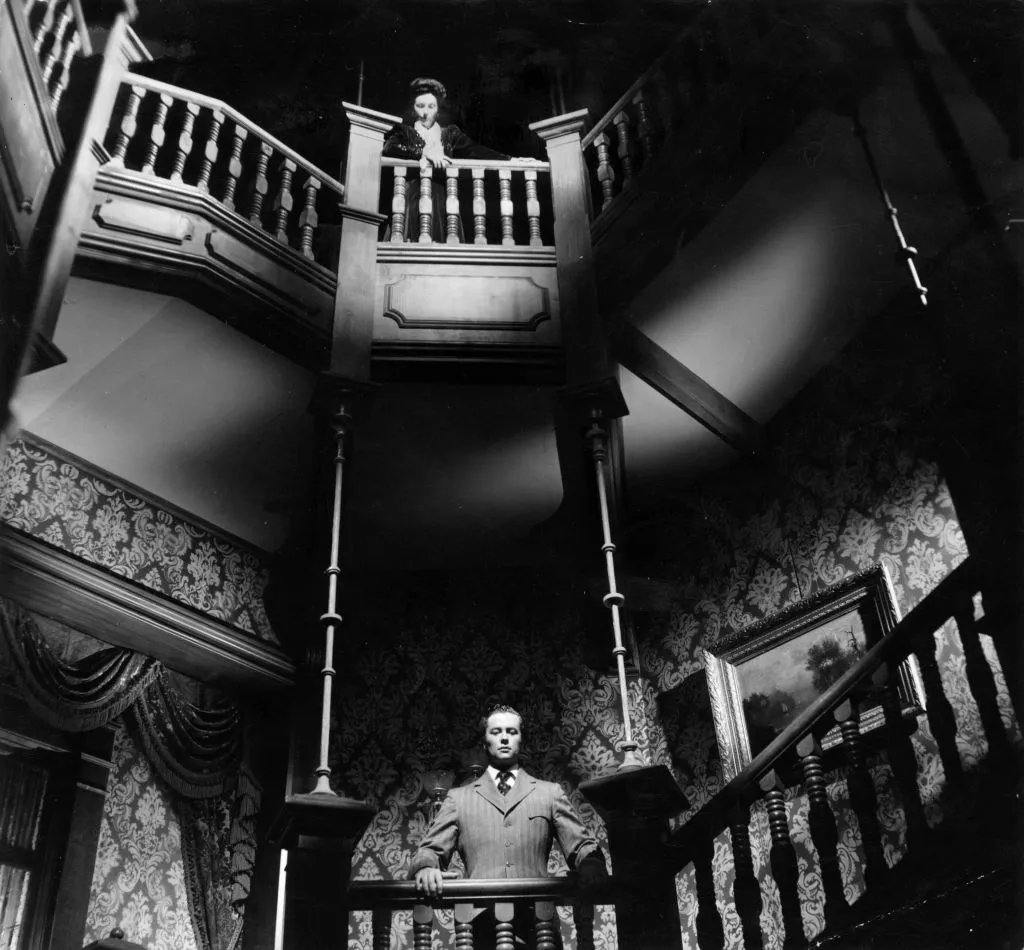
Why this visual matters: This visual representation of the recreation of lost cinema emphasizes the ongoing efforts to honor Orson Welles’ cinematic legacy. By merging technology with nostalgia, Fable aims to bridge the gap between past and present storytelling.
Data & Competition
The landscape surrounding film restoration is becoming increasingly competitive, with various players vying for dominance in this niche market. Fable’s ambitious project positions it at the forefront of a burgeoning trend, yet it faces challenges from both established studios and independent creators.
On one hand, established studios like Warner Bros. have the resources and expertise to undertake similar restoration projects, often with a focus on commercial viability. Their access to original footage, scripts, and studio archives allows them to maintain a level of authenticity that smaller startups may struggle to achieve. Conversely, independent creators, like filmmaker Brian Rose, represent a grassroots movement that seeks to reinterpret classic films through innovative techniques such as animation.
The competition in this space will likely drive innovation, pushing both established studios and startups to explore new methods of storytelling. However, this competitive environment also raises questions about the sustainability of such projects. As the market becomes saturated with nostalgia-driven content, the challenge will be to create unique and meaningful experiences that resonate with audiences.
In terms of market impact, the success of Fable’s project could signal a shift in how the film industry approaches lost works. If it garners the necessary respect and support, it may inspire similar initiatives, creating a new genre of cinema that blends technology and storytelling in unprecedented ways. This could lead to a renaissance of lost films being reimagined for modern audiences, reshaping the relationship between classic cinema and contemporary viewers.
Core Execution Protocol
Core Execution Protocol
Embrace the nostalgia trend by exploring innovative storytelling methods that respect original works while leveraging technology to enhance audience engagement.
Frequently Asked Questions
What is the purpose of Fable’s project?
Fable aims to recreate lost footage from Orson Welles’ “The Magnificent Ambersons” to honor the film’s legacy and explore new storytelling methods through technology.
How does this project impact the film industry?
The project signifies a market shift towards blending technology with nostalgia, potentially reshaping how classic films are preserved and reimagined for modern audiences.
What are the ethical concerns surrounding film restoration?
Ethical concerns include the preservation of artistic integrity, the rights of original creators, and the implications of recreating lost works that may alter their original intent.
Will Fable’s project set a precedent for future film restorations?
If successful, Fable’s project could inspire similar initiatives, establishing a new standard for how lost works are approached in the film industry.
Meet the Analyst
Marcus Vance, Tech Editor – With over a decade of experience in the film and technology sectors, Marcus specializes in analyzing the intersection of innovation and storytelling. His insights into industry trends help shape the conversation around the future of cinema.
Last Updated: March 2026 | HustleBotics Editorial Team