Disclosure: Some links on this page are affiliate links, meaning we may receive a commission if you click
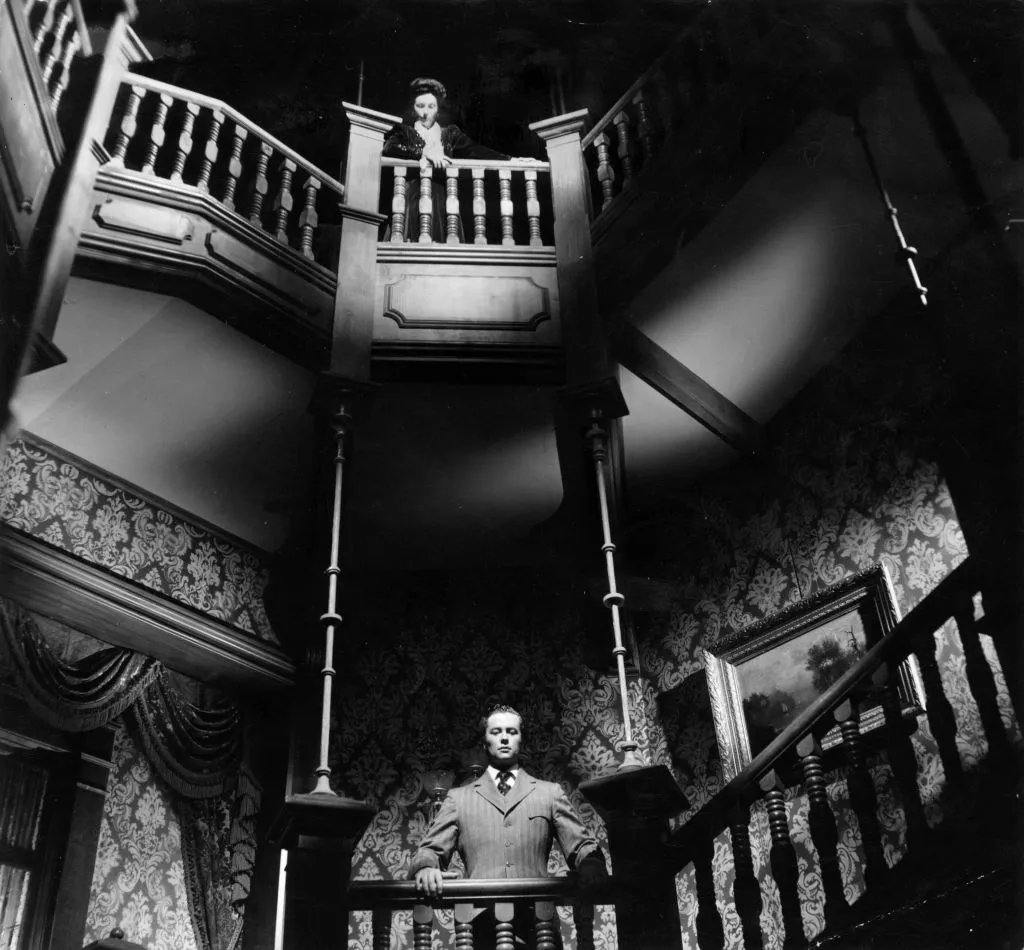
Last fall, a startup announced its ambitious initiative to recreate lost footage from Orson Welles’ classic film “The Magnificent Ambersons” using advanced technology, prompting skepticism from many, including myself. It seemed perplexing that anyone would invest such resources into a project likely to irk film enthusiasts with little discernible commercial appeal.
This week, an insightful profile by Michael Schulman in the New Yorker sheds light on the motivations behind the startup titled Fable and its founder, Edward Saatchi. At its core, this endeavor stems from a genuine reverence for Welles and his cinematic legacy.
Saatchi—whose father was a co-founder of the renowned advertising agency Saatchi & Saatchi—reminisced about a childhood spent watching films in a private screening room, enthused by “movie mad” parents. He recounted first encountering “Ambersons” at the age of twelve.
The profile elaborates on why “Ambersons,” though less celebrated than Welles’ initial offering “Citizen Kane,” remains an alluring topic. Welles himself claimed it was a superior film, yet after a disastrous preview screening, the studio removed 43 minutes and tacked on an incongruent happy ending, ultimately destroying the excised footage to create space in their archive.
“To me, this is the holy grail of lost cinema,” stated Saatchi. “It felt intuitively like there had to be a way to rectify what transpired.”
Saatchi is not the first Welles enthusiast to dream of resurrecting the lost footage. Fable is collaborating with filmmaker Brian Rose, who has dedicated years to achieving a similar outcome through animated renditions based on the screenplay, photographs, and Welles’ notes. Rose noted that after showing the results to friends, “a lot of them were scratching their heads.”
Thus, while Fable employs more sophisticated technology—filming live-action sequences to eventually overlay digital recreations of the original actors—it can be viewed as a more polished, better-funded version of Rose’s efforts, symbolizing a fan’s quest to encapsulate Welles’ vision.
|
June 23, 2026
Interestingly, while the New Yorker article features several clips of Rose’s animations and visuals of Fable’s digital actors, there is a notable absence of footage demonstrating the results of Fable’s live-action and digital hybrid.
The company itself acknowledges significant hurdles, including rectifying noticeable errors, such as presenting actor Joseph Cotten with two heads, and the daunting task of authentically recreating the film’s intricate cinematography. Saatchi even referred to a “happiness” dilemma, noting that the AI tends to depict female characters inappropriately joyful.
Regarding the prospect of releasing this footage to the public, Saatchi admitted it was “a total oversight” not to consult Welles’ estate prior to his announcement. He has reportedly been making efforts to gain support from both the estate and Warner Bros., the copyright holder of the film. Welles’ daughter, Beatrice, expressed her initial skepticism but acknowledged that they appear to be approaching this project with considerable respect for her father and the film.
Simon Callow, an actor and biographer currently working on the fourth volume of his multi-part biography of Welles, has also agreed to lend his expertise to the project, which he characterized as a “wonderful idea.” (Callow is also a family acquaintance of the Saatchis.)
However, not everyone is on board. Melissa Galt voiced her mother, actress Anne Baxter’s, likely disapproval of such a venture, stating, “It’s not the truth. It reflects another’s interpretation, not the original vision, and she was a purist.”
While I have grown somewhat more sympathetic to Saatchi’s intentions, I still resonate with Galt: even at its peak, this project may result in merely a novelty—visionary as it strives to be—at best a glimpse of what the film could have been.
This situation also brings to mind a recent essay by Aaron Bady, who drew a parallel between AI and the vampires in “Sinners.” He asserted that both will inherently fall short in the realm of art, as “the essence of art lies in the understanding of mortality and limitations.”
“Without death, without loss, and without the spaces that separate us, we can’t create art, desire, or feeling,” he articulated.
In this context, Saatchi’s fervent belief that there must be “some way to reverse what happened” seems, if not outright vampiric, at least somewhat immature in its refusal to accept that certain losses are irrevocable. It parallels a startup founder’s claim that grief could be eradicated or a studio executive’s insistence on a happy ending for “The Magnificent Ambersons.”
### Hustle Verdict
Our take is that this endeavor encapsulates a broader trend toward blending nostalgia with cutting-edge technology. It could open new avenues for cinematic exploration and preservation, potentially reshaping how audiences interact with classic films. We believe that if this project garners the necessary respect and support, it may signal a shift in the film industry’s approach to lost works, blending creativity and technology in unprecedented ways.