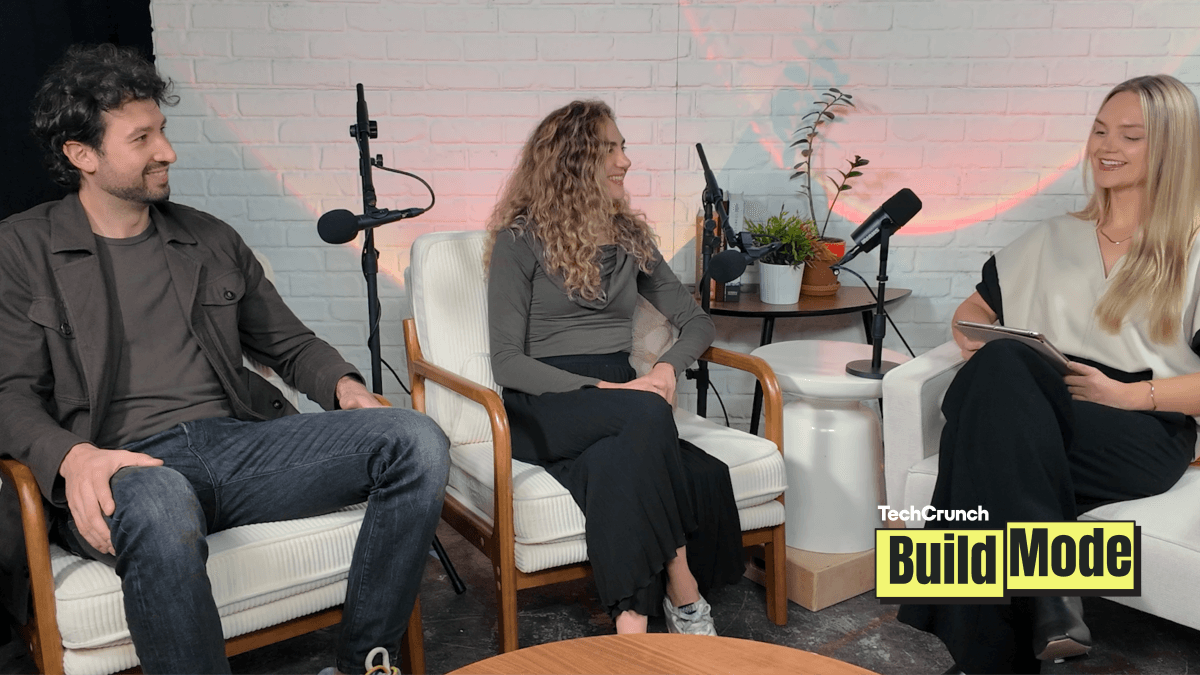
In today’s fast-paced entrepreneurial landscape, the dynamic between co-founders is ever more critical for startup success. Understanding these relationships can mean the difference between thriving and merely surviving. The emergence of co-founding teams built on personal relationships, especially those involving family members, has raised intriguing questions about trust, conflict management, and operational efficiency in launching innovative ventures.
Historically, startups have often been viewed through a traditional lens where co-founders hailed from disparate professional backgrounds and networks. Yet, the recent rise of family-centered startups, such as Rivio, an AI procurement company founded by Hala Jalwan and Alessio Tresanti, challenges this conventional wisdom. This transformative approach addresses a significant pain point: the difficulty of forging reliable partnerships in a landscape full of uncertainties. With the added benefit of emotional bonds and commitment, familial teams are emerging as a pragmatic solution to the inherent risks of startup life.
Previously, the startup environment was saturated with competition but often lacked genuine emotional investment amongst founders. Many teams grappled with misaligned objectives and poor communication, leaving room for distrust and resentment. Enter the era of transformative co-founder dynamics, where familial bonds can serve both as a foundation for trust and as a prevailing source of stress. With the rapid growth of automation systems, the nuances of how teams function have become a more critical area of focus for investors and entrepreneurs alike.
📊 MARKET IMPACT ANALYSIS
As entrepreneurs lean into the strengths of familial partnerships, the winners in this equation are startups that successfully harness the inherent trust and communication that come with these relationships. In contrast, traditional startup models that ignore or dismiss the value of personal dynamics may struggle to keep pace. This paradigm shift has far-reaching implications for various industries, particularly those relying on fast-paced decision-making, such as tech, health care, and creative services.
The financial opportunities within this evolving landscape are substantial. Startups like Rivio not only bring unique offerings to vacuum-packed markets but also give rise to new business models rooted in collaboration and ownership clarity. Expect to see a surge in startups that prioritize familial partnerships and build out their offerings in these untapped niches, fundamentally disrupting the competitive landscape and redefining what we understand about startup success.
⚔️ COMPETITIVE COMPARISON
The success of ventures like Rivio and Nowadays, co-founded by sisters Anna and Amy Sun, marks a stark contrast to earlier generations of startups often initiated by professional acquaintances or strangers. These newer models emphasize cohesive cultures predicated on trust, allowing for more direct feedback and quicker innovation cycles. Previous ventures had to navigate the complexities of establishing dynamic relationships, which often hindered progress. In contrast, the familial co-founders are already equipped with pre-existing communication frameworks.
Key technical benchmarks for evaluating the effectiveness of these familial partnerships include:
- Trust levels: Higher inherent trust allows for a more fluid decision-making process.
- Conflict resolution speed: Familiar relationships often lead to faster navigation through disagreements than conventional partnerships.
- Shared values alignment: Co-founders from the same family often exhibit a more cohesive vision and greater emotional investment in their venture’s success.
🛠️ REAL-WORLD USE CASES & MONETIZATION
Startups looking to leverage these familial dynamics can implement multiple workflows immediately:
- ⚡ Family-driven innovation labs: Use personal networks to co-create tech solutions by tapping into shared experiences and challenges.
- ⚡ Niche markets in community-building platforms: Design tailored automation systems that bridge community gaps, between families, local businesses, and service providers.
- ⚡ Interactive corporate activities: Develop co-pilot tools that streamline event planning for corporate teams, leveraging existing interpersonal trust to enhance collaboration.
📈 DATA & TRENDS
As the family-driven startup model gains traction, investment into these types of companies has also surged. Industry projections indicate an average CAGR of 17.5% in startup ventures incorporating self-created teams over the next five years. By 2026, user adoption trends suggest that at least 45% of new startups may leverage familial bonds, significantly affecting investor interest and funding structures.
Such a shift will undoubtedly make waves, not only in startup ecosystems but in how risk assessments and partnership frameworks are evaluated. The potential for rapid scaling through pre-built trust networks creates a compelling narrative for stakeholders.
🧠 HUSTLEBOTICS EDITORIAL INSIGHT
Based on our analysis at HustleBotics, the shift toward family-centric co-founding teams signifies a pivotal evolution in the startup paradigm. We believe this trend will reshape how new businesses are cultivated and scaled. By prioritizing emotional connections among founders, these startups can create more resilient business models and better navigate the inherent volatility of the entrepreneurial journey.
🔮 FUTURE PREDICTIONS
Looking ahead to the next six months, we anticipate a marked increase in co-founder arrangements emerging from familiar ties. The sentiment of “going all in” will become more mainstream, with increased investments flowing into teams that can demonstrate cohesive relationships. In two years, we see this co-founding model becoming a benchmark in startup formation, fundamentally altering what success metrics look like in entrepreneurial landscapes.
This could serve as a pivot point for the industry, creating rich opportunities for innovation and institutional realignment as investors begin to prioritize emotional intelligence as much as technical aptitude.
❓ FAQ SECTION
What is a family-driven startup?
A family-driven startup leverages personal relationships and emotional bonds among co-founders to foster trust, streamline decision-making, and enhance collaboration.
How to choose co-founders?
Consider aligning on shared values, experiences, and objectives, and ensure there’s a clear resolution strategy for conflicts. Emotional intelligence is as vital as technical skills.
Can I start a business with my family member?
Absolutely! Many successful startups are launched by family members who can capitalize on their innate trust and shared experiences, making for a cohesive and committed team.
What are the advantages of co-founding with friends or family?
The advantage lies in built-in trust, ease of communication, and a shared vision. These elements can lead to quicker decision-making and a more robust team culture.
What challenges do family co-founders face?
Challenges may include emotional conflicts, role confusion, and managing work-life balance. Clearly defined roles and boundaries can mitigate these issues.