Core Analysis & Source Attribution
The acceleration of technology in the workplace is not merely a trend; it’s a paradigm shift that is revolutionizing how work is performed, particularly through the automation of repetitive tasks. Reports from the *World Economic Forum* suggest that productivity can increase by as much as 30% when organizations adopt new technologies to streamline operations, allowing human workers to focus on more strategic and creative endeavors. However, this technological embrace must be approached with caution. A recent study from *McKinsey* emphasizes that while automation can enhance efficiency, human insight is indispensable for context, creativity, and emotional intelligence—elements that machines cannot replicate.
As companies integrate automation into their processes, it is essential for leaders to recognize technology as a tool for enhancement rather than a replacement for human roles. For instance, leaders are now tasked with navigating the balance between leveraging technology for efficiency and maintaining the critical human elements that foster collaboration and innovation. The future will not belong to organizations that solely automate but to those that successfully integrate technology while nurturing human capabilities.
Second-Order Effects
While the immediate effects of automation are apparent, the second-order effects merit deeper consideration. For instance, as companies automate entry-level tasks, the role of these positions is evolving significantly. Entry-level employees, who once performed routine jobs, are now being positioned to take on more complex responsibilities that require analytical thinking and interpersonal skills. This shift could lead to a workforce that is more skilled and versatile, but it also raises questions about job displacement and the need for reskilling.
Moreover, the reliance on technology can create a dependency that may stifle innovation if organizations do not actively promote a culture of creativity and critical thinking. As teams become accustomed to technology handling routine inquiries and tasks, there is a risk that they may overlook the importance of human intuition and judgment in decision-making. This could lead to a homogenization of ideas and a potential decline in the diversity of thought that drives innovation.
Additionally, the integration of technology in the workplace can alter organizational dynamics. The collaboration between humans and machines is likely to require a new set of soft skills, leading to an increased demand for emotional intelligence and adaptability. This evolution could redefine leadership roles, emphasizing the need for leaders to be not just tech-savvy but also emotionally intelligent and capable of fostering a human-centric work environment.
Data & Competition
In assessing the competitive landscape, it is essential to identify which organizations are effectively leveraging technology while maintaining a human touch. Companies that have embraced automation while investing in employee training and development stand out as winners in this new paradigm. For example, *Salesforce* has successfully implemented automation in its customer relationship management (CRM) processes while ensuring that its sales teams are equipped with the skills necessary to engage meaningfully with clients.
Conversely, organizations that have rushed to automate without considering the human element have faced backlash. Companies like *IBM*, which initially sought to automate large segments of its workforce, encountered significant challenges, including employee dissatisfaction and loss of institutional knowledge. This serves as a cautionary tale for organizations looking to implement automation strategies without a balanced approach.
The market impact of these strategies is evident in productivity gains and employee engagement metrics. According to a survey by *Deloitte*, companies that prioritize a blend of technology and human insight report 20% higher employee satisfaction and retention rates. This correlation underscores the importance of a dual focus on technological advancement and human development.
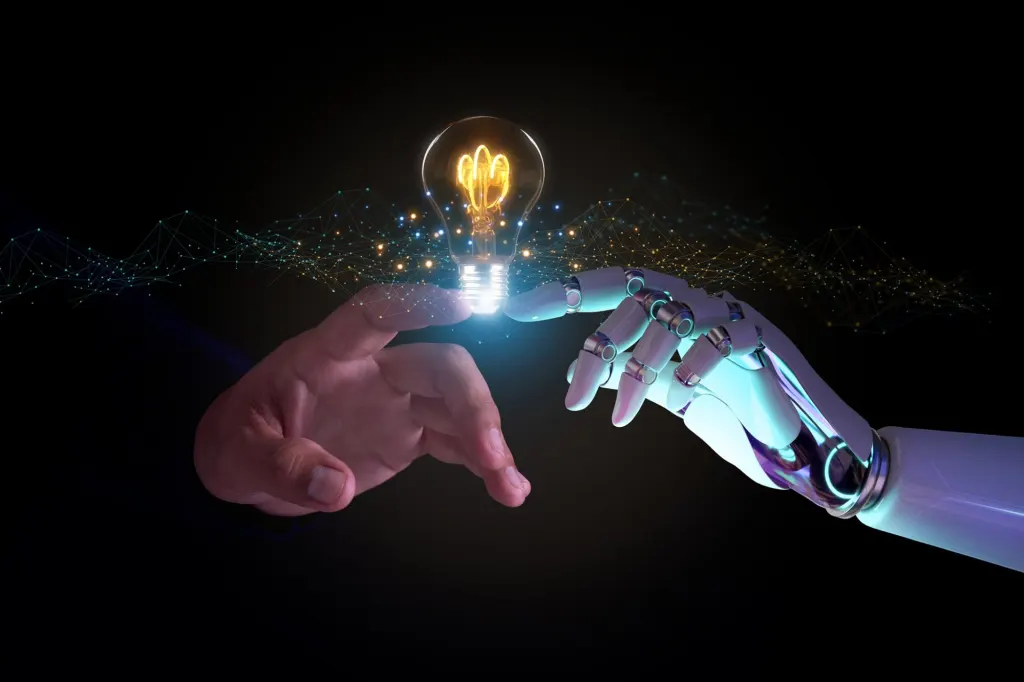
Why this visual matters: This visual encapsulates the essence of embracing the evolution of technology while mastering human insight. By integrating both elements, organizations can drive innovation and enhance productivity, ultimately leading to sustainable growth.
System Alpha Executable
Frequently Asked Questions
What is the primary benefit of integrating technology with human insight?
The primary benefit lies in enhanced productivity and innovation. By automating routine tasks, organizations can allow their workforce to focus on strategic and creative endeavors that require human judgment and emotional intelligence.
How can companies ensure a balance between automation and human roles?
Companies can achieve balance by evaluating tasks that are suitable for automation while prioritizing training and development for employees. This approach ensures that workers are equipped to engage in high-value tasks that complement technological capabilities.
What skills will be most important in a tech-enhanced workplace?
In a tech-enhanced workplace, skills such as emotional intelligence, adaptability, and critical thinking will be crucial. Employees will need to collaborate effectively with technology and leverage their unique human attributes to drive success.
What role does leadership play in this transformation?
Leadership plays a critical role in guiding the integration of technology and human insight. Leaders must foster a culture that values both technological advancement and the human element, ensuring that teams are equipped to navigate this new landscape.
Meet the Analyst
Marcus Vance, Tech Editor – With over a decade of experience in technology analysis, Marcus specializes in exploring the intersection of automation and human potential in the workplace. His insights help organizations navigate the complexities of technological integration.
Last Updated: March 2026 | HustleBotics Editorial Team