Elon Musk’s New Era of Power Dynamics
Elon Musk has successfully merged SpaceX and xAI, a move that could potentially establish a new paradigm for power dynamics within the tech industry. With a staggering net worth of $800 billion, Musk’s financial stature now rivals the peak market capitalization of historical giants like General Electric. This shift raises critical questions about the future of innovation and the role of individual founders in shaping industry standards.
According to a recent report by the Technology Innovation Institute, the speed of innovation is a crucial factor that determines technological supremacy. Musk’s assertion that “technological supremacy is determined by the speed of innovation” underlines the urgency with which companies must operate in the current climate. The merger of SpaceX and xAI not only consolidates resources but also accelerates innovation, allowing Musk to leverage synergies between aerospace and artificial intelligence.
As we delve deeper into this merger, it’s essential to consider the implications for other tech leaders and companies. A report from the Silicon Valley Business Journal highlights that Musk’s move could inspire other founders, such as Sam Altman, to pursue similar paths of consolidation, potentially leading to a new era of founder-led conglomerates.
Second-Order Effects
The merger of SpaceX and xAI may appear to be a straightforward corporate strategy, but the second-order effects are worth exploring. Firstly, this consolidation could lead to increased competition among tech giants as they scramble to keep pace with Musk’s accelerated innovation timeline. Companies like Amazon and Google may need to rethink their strategies to maintain relevance in a world where speed and adaptability become paramount.
Furthermore, the merger could trigger a wave of mergers and acquisitions within the tech industry, as smaller firms seek to align themselves with larger entities to survive. This could lead to a homogenization of innovation, where unique ideas are swallowed up by larger conglomerates, potentially stifling diversity in technological advancements.
On a societal level, Musk’s actions may influence public perception of tech founders. As they increasingly take on roles as both visionaries and corporate leaders, the expectation for accountability in their actions may rise. This could lead to a demand for greater transparency and ethical considerations in tech innovations, reshaping how these companies operate and interact with consumers.
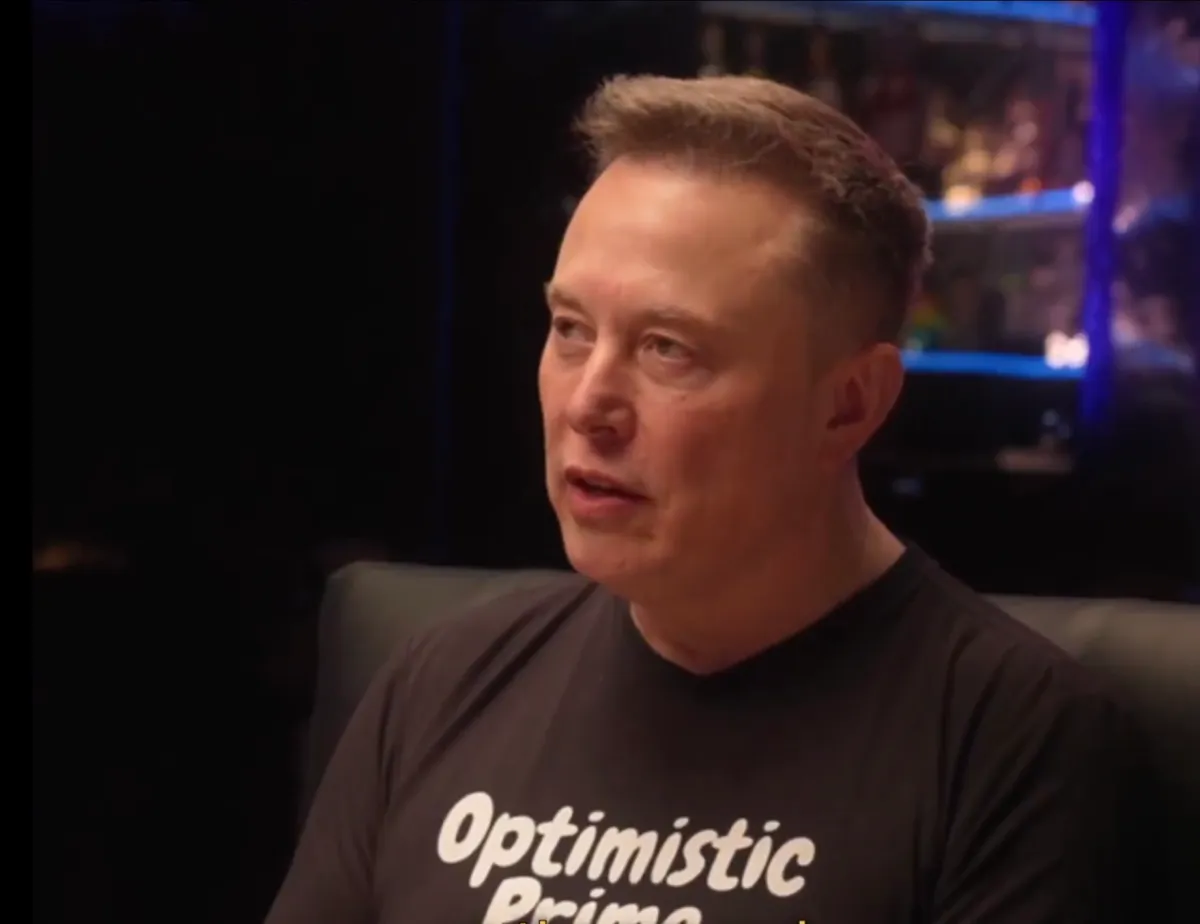
Why this visual matters: The image encapsulates the transformative impact of Elon Musk’s merger of SpaceX and xAI, highlighting the strategic convergence of aerospace and technology sectors. This pivotal moment underscores the significance of innovation in shaping the future of industries.
Data & Competition
The merger of SpaceX and xAI presents both winners and losers in the market landscape. On one hand, Musk emerges as a clear victor, consolidating power and resources that could lead to groundbreaking advancements in both aerospace and artificial intelligence. The potential for cross-pollination of ideas between these two fields could create unprecedented opportunities for innovation.
However, traditional competitors may find themselves at a disadvantage. Companies like Boeing and Lockheed Martin, which have long dominated the aerospace sector, may struggle to keep up with Musk’s pace of innovation. Similarly, tech giants like Microsoft and Amazon, who have invested heavily in their own AI initiatives, could face challenges as Musk’s vision begins to take shape more rapidly.
The market impact of this merger cannot be understated. Analysts predict that Musk’s combined entity could lead to a significant shift in investment trends, with venture capital increasingly flowing toward companies that demonstrate the ability to innovate quickly. According to a report by the Venture Capital Association, this trend could reshape the funding landscape, as investors prioritize speed and adaptability over traditional metrics of success.
Frequently Asked Questions
What are the implications of Musk’s merger for Silicon Valley?
The merger signifies a shift towards founder-led conglomerates, which may influence how other tech leaders approach their businesses and lead to increased competition.
How might this affect smaller tech companies?
Smaller firms may seek partnerships or acquisitions with larger entities to survive, leading to a potential homogenization of innovation within the industry.
What does this mean for the future of innovation?
The focus on speed and adaptability may reshape investment trends, with more capital directed toward companies that can innovate rapidly in response to market demands.
Meet the Analyst
Marcus Vance, Tech Editor: Marcus has over a decade of experience in technology journalism, specializing in the intersection of innovation and market dynamics. His insights have guided readers through the complexities of the ever-evolving tech landscape.
Last Updated: March 2026 | HustleBotics Editorial Team