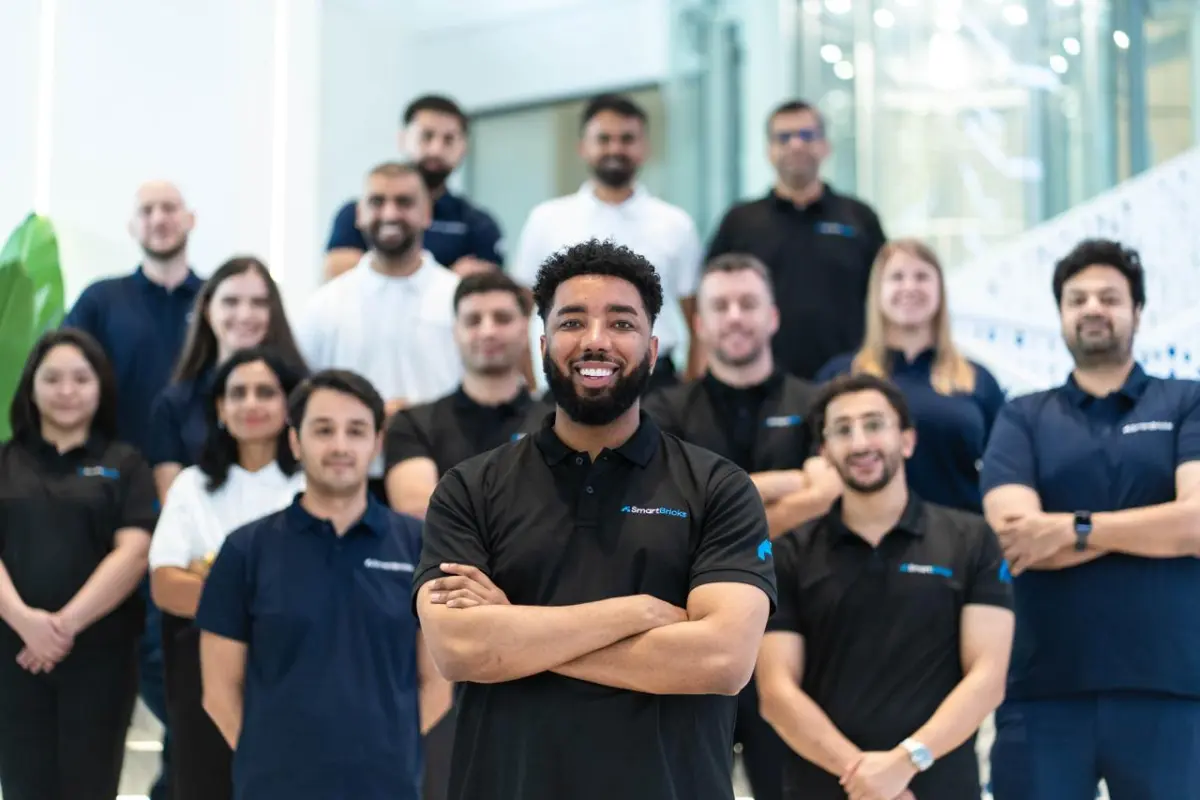
The Need for Diversity in Startups: An In-Depth Analysis
For entrepreneurs navigating the ever-evolving landscape of startups, understanding the significance of diversity in hiring practices isn’t just a buzzword; it’s a strategic imperative. Embracing diversity from an organization’s inception can catalyze innovation and improve company culture, ultimately leading to sustained growth.
Historically, the technology sector has struggled with inclusivity, often prioritizing familiarity over a broader talent pool. Before recent discussions around diversity gained momentum, many startups relied heavily on established networks primarily found in tech hubs like Silicon Valley. This created a echo chamber effect, stifling diverse voices and perspectives that can drive successful innovation.
Market Impact Analysis
As founders increasingly acknowledge the necessity of hiring diverse talent, the market landscape is shifting in profound ways. Recognizing the competitive edge that diversity brings, companies that invest in inclusive hiring practices are poised to lead in innovation and market share.
Winners in this new paradigm include startups that intentionally design their hiring processes to attract diverse candidates. For example, companies like Taskrabbit, under Leah Solivan’s leadership, have harnessed diverse talent to foster creativity and resilience against challenges. On the other hand, organizations that maintain traditional hiring practices are at risk of stagnation, hampering their growth trajectory and creativity.
Automation Systems are now revolutionizing sectors such as tech, healthcare, and finance. In these industries, the rapid adoption of diverse teams can lead to game-changing solutions and better service delivery. The new challenge becomes not just attracting diverse talent but also ensuring an inclusive environment that empowers employees from varied backgrounds, which can also translate into financial opportunities for the early-stage investors willing to back diverse founders.
Competitive Comparison
When we compare this emerging trend to past hiring practices, the gap is evident. Previous models focused mainly on technical skills and previous employment history, often sidelining attributes like creativity and problem-solving capabilities that diverse candidates might offer. Notably, traditional hiring methods often neglected cultural fit, which can muffle innovation.
Competitors in this space who are adopting diversity-focused hiring must be measured against their initiative’s effectiveness. New tech-focused hiring platforms that emphasize diversity showcase specific metrics such as improved cross-functional project success rates and employee retention figures as persuasive benchmarks.
Real-World Use Cases & Monetization
Here are three immediate workflow ideas for startups or solo-hustlers to monetize diversity-oriented practices:
- Targeted Recruiting Campaigns: Create targeted outreach programs that promote roles specifically designed to attract diverse candidates. Leverage social media and local community events to build relationships.
⚡Revenue Potential: Charging companies for consulting on these campaigns can establish a new income stream. - Diversity Training Programs: Develop workshops and materials that educate companies about the value of diversity and inclusion in hiring practices. This could also include online courses.
⚡Revenue Potential: Subscription fees for continued learning access can create consistent cash flow. - Diverse Talent Showcase Events: Organize networking events featuring diverse professionals and entrepreneurs. Partner with local businesses wanting to diversify their hiring.
⚡Revenue Potential: Charge a fee for participation and sponsorship opportunities.
Data & Trends
The market for diversity-focused solutions is growing, with an estimated compound annual growth rate (CAGR) of around 15% over the next few years. As more founders recognize the necessity of diverse hiring, the push will continue to shape corporate cultures and deliver financial successes.
Moreover, projections indicate that by 2026, organizations that prioritize inclusivity could see their overall workforce engagement scores rise by as much as 34%, significantly impacting their bottom lines.
HustleBotics Editorial Insight
Based on our analysis at HustleBotics, the current momentum for diversity in hiring is not just a fleeting trend but a fundamental shift in how businesses operate and compete. The critical understanding is that diversity isn’t merely about numbers; it’s an essential driver of cultural change that influences every level of an organization. Startups that neglect proactive diversity initiatives risk stagnation and a competitive disadvantage in an increasingly globalized economy.
Future Predictions
Over the next six months, we anticipate a sharper focus on metrics surrounding diversity and inclusion in major funding rounds. Investors will likely begin demanding active plans from startups regarding their diversity initiatives. Fast-forward two years, and it’s plausible to foresee a pivot point in which diversity is ingrained in the fabric of business practices, becoming a baseline requirement for funding.
This is more than just hype; it’s a restructuring of our industry’s landscape that will define future success and culture.
FAQ Section
What is the importance of diversity in startups?
Diversity fosters innovation by bringing together different perspectives and ideas, essential for problem-solving and enhancing company culture.
How to implement diversity in hiring practices?
Start by defining clear goals around diversity, employing targeted recruitment strategies, and developing partnerships with organizations that represent diverse talent pools.
Can I receive funding for a diversity-focused startup?
Yes, many investors are increasingly looking to back companies that demonstrate a commitment to diversity, committed to changing the landscape.
What are the benefits of a diverse team?
Diverse teams can lead to increased creativity, better decision-making, and improved company performance through varied perspectives and enhanced problem-solving capabilities.
How to measure the success of diversity initiatives?
Success can be measured through employee engagement scores, retention rates of diverse employees, and the overall impact on company performance metrics.