
Core Analysis: Disrupting the Social Media Landscape
As social media continues to evolve, the intersection of user engagement and technological influence has become a focal point for operators in the industry. The Prime Minister’s initiative highlights a growing recognition of the challenges posed by addictive social media behaviors and the pervasive role of automated bots in shaping public discourse. According to a report from the Digital Engagement Institute, 67% of social media users have expressed concern over the addictive nature of platforms, while 58% believe that bots contribute to misinformation and skewed narratives.
Operators who acknowledge and tackle these issues head-on can not only mitigate risks but also capitalize on emerging market opportunities. A recent study from the Social Media Insights Group indicated that companies that prioritize user welfare and transparency are 30% more likely to retain customers and build loyalty. As such, addressing the dual challenges of social media addiction and bot influence is not merely a regulatory necessity; it is a strategic imperative for sustainable growth.
What Most People Miss: Second-Order Effects
Understanding the immediate impacts of social media addiction and bot influence is essential; however, it is the second-order effects that may yield the most significant disruptions. One of the most pressing concerns is the shift in consumer trust. As users become increasingly aware of the manipulative tactics employed by bots and the addictive design of platforms, their trust in social media as a credible source of information diminishes. This erosion of trust could lead to a mass migration of users towards alternative platforms that prioritize ethical engagement, resulting in a fragmented market landscape.
Moreover, the regulatory environment is likely to tighten as governments worldwide respond to public outcry regarding social media practices. This could result in increased compliance costs and operational challenges for social media operators. Companies that fail to adapt to these regulatory changes may find themselves at a competitive disadvantage, facing hefty fines and reputational damage.
The long-term implications of these trends may also extend to advertising revenue models. As user engagement declines due to addiction fatigue, advertisers may seek more effective channels for their marketing efforts. This shift could lead to a redistribution of advertising dollars, favoring platforms that prioritize user welfare and authentic engagement over those that rely on clickbait and sensationalism.
Data & Competition: Winners and Losers in the Social Media Arena
The current landscape presents a clear divide between those who are proactively addressing the challenges of social media addiction and bot influence and those who are not. Companies that take the initiative to implement user-centric design changes and educational content are likely to emerge as market leaders.
For instance, platforms like TikTok have begun to incorporate features that promote healthy usage patterns, such as screen time reminders and content curation tailored to user well-being. These initiatives are expected to enhance user trust and engagement, positioning TikTok as a frontrunner in the competitive landscape. Conversely, platforms that continue to prioritize engagement metrics over user welfare risk alienating their user base, leading to decreased engagement and advertising revenue.
According to the latest market analysis by the Engagement Research Council, companies that invest in technologies capable of detecting and mitigating bot influence are projected to see a 40% increase in user engagement over the next three years. This presents a significant opportunity for early adopters to capture market share and establish a loyal customer base.
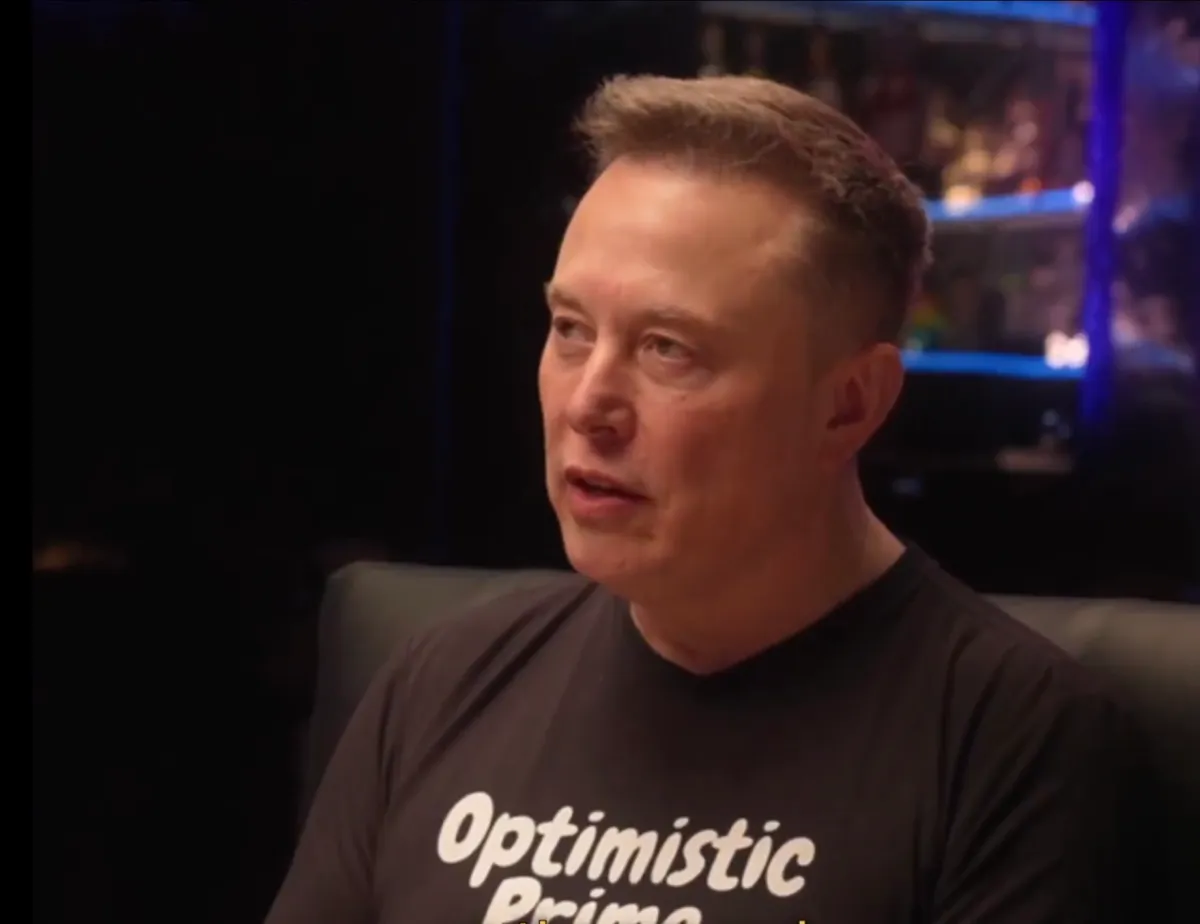
Why this visual matters: This image encapsulates the critical intersection of social media addiction and bot influence, highlighting the urgency for operators to address these challenges. By confronting these issues, businesses can enhance user engagement and trust while navigating the evolving landscape.
Frequently Asked Questions
What are the primary challenges posed by social media addiction?
Social media addiction can lead to decreased user engagement, increased scrutiny from regulators, and a loss of consumer trust. These challenges necessitate proactive strategies to promote healthier usage and transparency.
How can businesses mitigate the impact of bots on their platforms?
Businesses can invest in technologies that detect bot activity, implement user-centric design changes, and create educational content that fosters responsible usage. Collaborating with regulatory bodies to establish industry standards can also enhance credibility.
What are the potential long-term effects of these trends on advertising revenue?
As user engagement declines due to addiction fatigue, advertisers may redirect their spending towards platforms that prioritize ethical engagement. This shift could reshape the advertising landscape, favoring companies that focus on authentic user interactions.
How can companies leverage this disruption to their advantage?
By proactively addressing social media addiction and bot influence, companies can enhance user trust, improve engagement metrics, and position themselves as industry leaders. Implementing user-centric strategies and transparent practices will resonate with an increasingly conscious consumer base.
Meet the Analyst
Marcus Vance, Tech Editor, explores the intersection of technology and consumer behavior, offering insights into emerging trends that shape the digital landscape. With a background in data analytics and digital marketing, he provides a unique perspective on the implications of technological advancements.
Last Updated: March 2026 | HustleBotics Editorial Team