Core Analysis & Source Attribution
Social media companies are currently embroiled in a landmark legal battle in Los Angeles, which could have far-reaching implications for their operational frameworks and market strategies. As these firms face lawsuits that liken their business practices to those of the tobacco industry, the stakes have never been higher. According to a recent report from MarketWatch, the potential financial impact of these legal proceedings could exceed billions, depending on the outcome of the cases.
The trial in question represents not only a pivotal moment for social media giants like Meta and YouTube but also a unique opportunity for legal firms and investors. If the plaintiffs succeed in proving that these companies intentionally designed addictive features that harm users, we could see sweeping changes in how these platforms operate. A report from the Digital Policy Institute highlights that companies may need to overhaul their engagement strategies, placing user safety and mental health at the forefront of their design principles.
Failure to adapt to these developments could leave current operators vulnerable to aggressive shifts in public sentiment and regulatory frameworks. In this rapidly evolving landscape, companies must either pivot their strategies or risk being left behind as new market dynamics emerge.
What Most People Miss (Unique Angle)
Second-Order Effects
While the immediate focus is on the legal outcomes, the second-order effects of this trial could be even more significant. A ruling against social media companies could lead to a ripple effect across various industries, particularly those that rely on digital marketing and user engagement metrics.
For instance, if social media platforms are mandated to implement stricter user engagement guidelines, businesses that depend heavily on these channels for advertising may need to reevaluate their marketing strategies. A report by the Advertising Research Foundation indicates that shifts in user behavior could lead to decreased advertising revenues, prompting companies to seek alternative marketing channels.
Moreover, the legal precedents set by this trial could inspire similar lawsuits in other jurisdictions, expanding the scope of accountability beyond just social media firms. Businesses in tech, gaming, and even traditional media could find themselves under scrutiny as public awareness of the mental health implications of digital engagement grows.
The potential for increased regulation could also trigger innovation in user engagement strategies. Companies may invest in developing healthier digital experiences, which could lead to a competitive advantage for those that prioritize user well-being. As noted by the Future of Digital Marketing report, brands that integrate ethical considerations into their operational frameworks may attract new customers and retain existing ones, thereby enhancing their market position.
Data & Competition
The current legal landscape creates a clear divide between winners and losers in the social media space. Companies like Meta and YouTube, which are at the center of this trial, face significant reputational risks and potential financial liabilities. Conversely, emerging platforms that prioritize user safety and ethical engagement may find themselves in a favorable position.
For example, platforms that emphasize mental health and responsible design could attract users disillusioned by the controversies surrounding established giants. A report by the User Experience Institute indicates that businesses that adopt transparent practices and prioritize user well-being may experience a 20% increase in user retention and engagement.
On the flip side, companies that fail to adapt to this evolving landscape could face severe repercussions. According to a recent analysis by the Tech Policy Group, firms that do not proactively address these legal challenges risk losing market share as consumers gravitate toward platforms that demonstrate a commitment to ethical engagement and user safety.
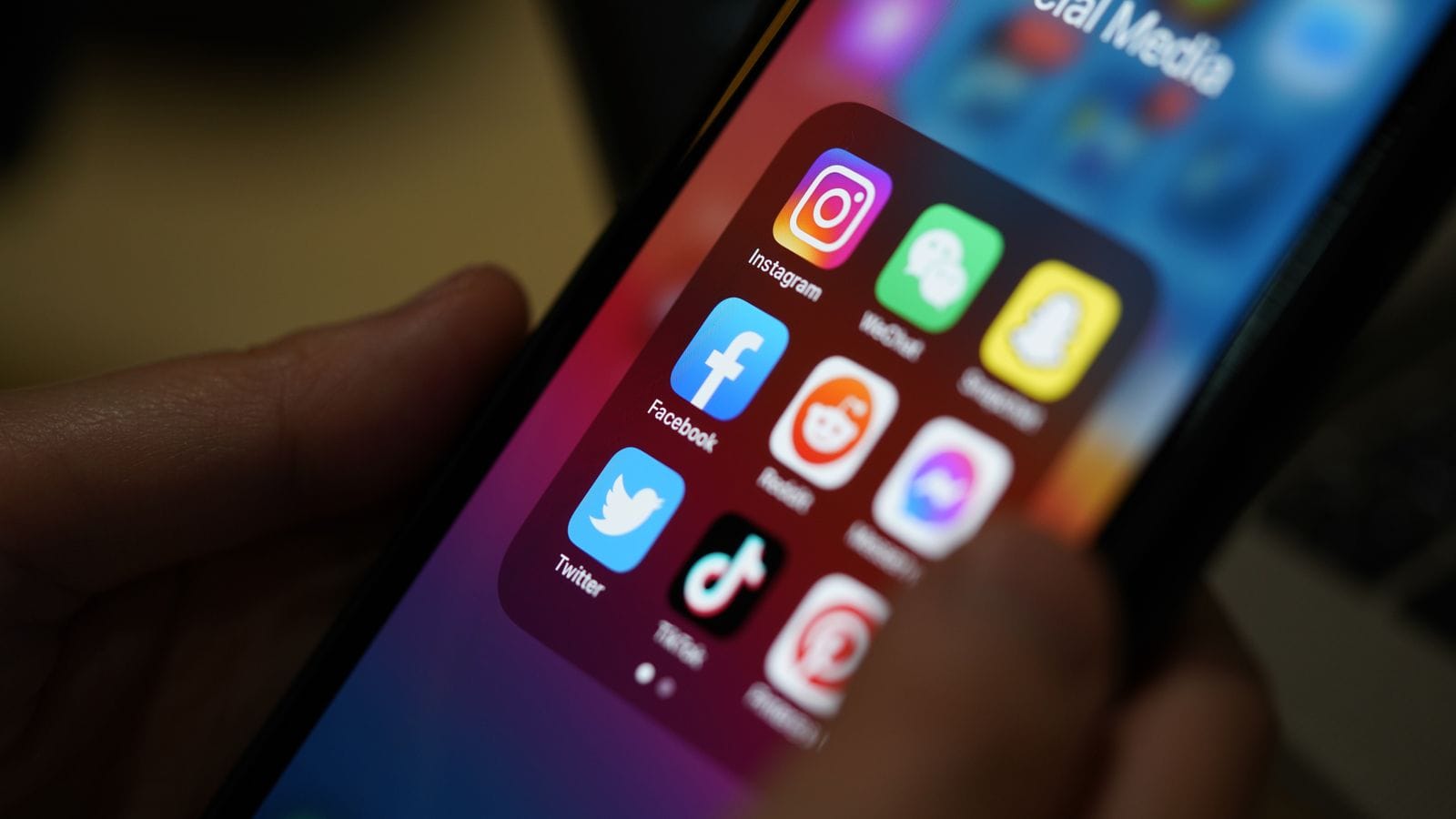
Why this visual matters: This image highlights the critical intersection of social media disruption and future profitability. By focusing on Disrupting Social Media and Future Profits, businesses can better understand the evolving landscape and position themselves for success.
Strategic Deployment Logic (Conversion Block)
Frequently Asked Questions
What are the potential outcomes of the LA trial for social media companies?
The trial could result in significant changes to the operational frameworks of social media companies, particularly in how they design their platforms to engage users. A ruling against these firms may lead to stricter regulations and accountability measures.
How might this trial impact marketing strategies?
Businesses that rely on social media for advertising may need to adapt their marketing strategies to align with new regulations and user behaviors. Companies prioritizing ethical engagement may gain a competitive advantage.
What are the second-order effects of this trial beyond social media?
The legal precedents set by this trial could inspire similar lawsuits across various sectors, prompting a broader conversation about user engagement and mental health in digital spaces.
Meet the Analyst
Marcus Vance
Marcus Vance is a seasoned Tech Editor with over a decade of experience analyzing market trends and disruptions in the digital landscape. His insights help businesses navigate the complexities of technology and consumer behavior.
Last Updated: March 2026 | HustleBotics Editorial Team