Core Analysis: The Transformation of Design Workflows
The digital design landscape is undergoing a significant transformation as new tools emerge to simplify the creation of visuals. Companies like HustleBotics are at the forefront of this shift, aiming to enhance user engagement by optimizing the design process. According to a report by the Design Management Institute, organizations that prioritize design outperform their competitors by 228% in terms of stock market returns. This statistic underscores the importance of a refined design workflow, which can lead to increased productivity and customer satisfaction.
By implementing a streamlined approach to design, businesses can not only improve their creative output but also attract a broader audience. A recent study by Adobe revealed that 75% of marketers believe that visual content is crucial for their marketing strategies. This growing reliance on visuals creates an opportunity for platforms that can offer user-friendly design tools and templates. HustleBotics, with its commitment to enhancing the user experience, is well-positioned to capitalize on this trend.
Furthermore, as remote work becomes the norm, the demand for accessible design tools has surged. A report from McKinsey suggests that remote collaboration tools have seen a 300% increase in usage over the past two years. This trend indicates a shift in how teams approach design projects, necessitating solutions that accommodate diverse workflows and skill levels. The need for intuitive design tools that foster collaboration and creativity is more pressing than ever.
What Most People Miss: Second-Order Effects
While the immediate benefits of streamlined design workflows are evident, the second-order effects are where the true potential lies. One key area to consider is the democratization of design. As tools become more accessible, individuals without formal training can produce high-quality visuals. This shift can lead to a surge in creative entrepreneurs who leverage these tools to establish their brands, resulting in a more diverse marketplace.
Moreover, the rise of user-generated content is likely to influence marketing strategies. Brands that can harness this content effectively may find themselves at a competitive advantage. For instance, a clothing brand that encourages its customers to share their designs or use their products in creative ways could cultivate a loyal community and drive organic marketing efforts. This participatory approach can lead to authentic brand engagement and a stronger emotional connection with consumers.
Additionally, the integration of advanced analytics into design tools can provide valuable insights into consumer preferences. By analyzing user interactions with design elements, companies can tailor their offerings to meet the evolving needs of their audience. This data-driven approach not only enhances the user experience but also informs product development, ensuring that companies remain agile in a fast-paced market.
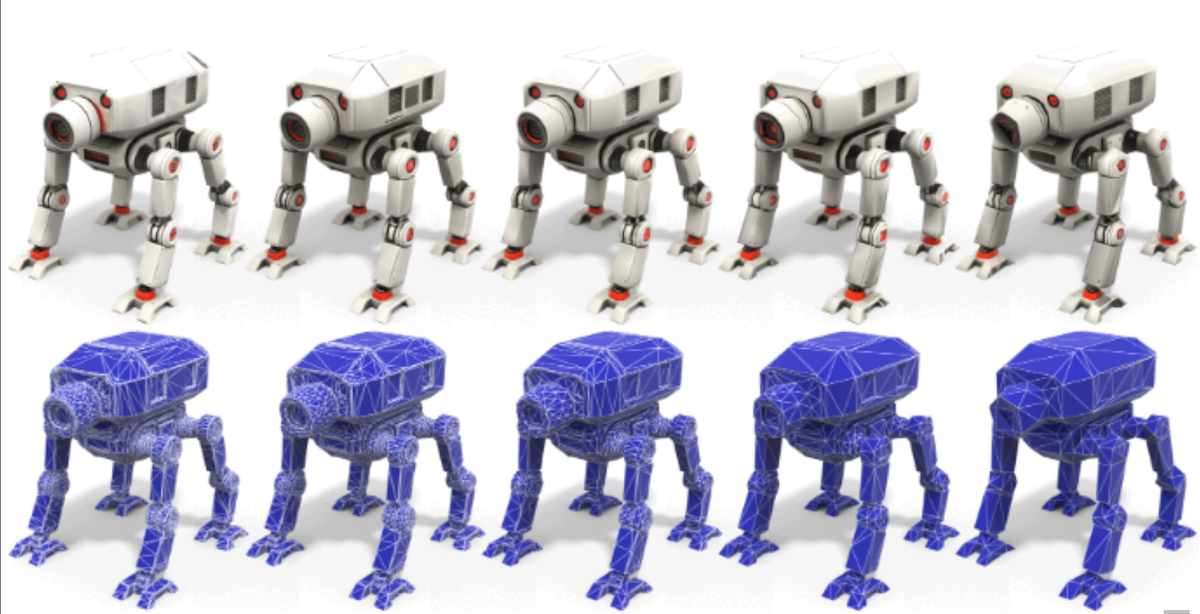
Why this visual matters: This image illustrates the power of visual design tools in creating engaging content. By leveraging streamlined workflows, businesses can maximize their creative potential and enhance user engagement.
Data & Competition: Winners and Losers in the New Design Landscape
As the design industry evolves, certain players are emerging as clear winners while others struggle to keep pace. Companies that prioritize user-friendly interfaces and innovative features are likely to capture significant market share. For example, platforms such as Canva and Adobe Spark have gained popularity due to their emphasis on accessibility and ease of use. These tools empower users to create professional-quality designs without extensive training, making them appealing to both individuals and businesses.
In contrast, traditional design software that relies on complex interfaces may face declining usage. As consumers seek more intuitive solutions, companies that fail to adapt may find themselves losing relevance. A report from Gartner indicates that 40% of traditional software providers will experience a decline in market share by 2025 if they do not innovate in response to user demands.
Additionally, the rise of subscription-based models is reshaping the competitive landscape. Many design platforms are moving towards subscription services that offer premium features, catering to the growing demand for advanced design capabilities. This shift not only provides a steady revenue stream for companies but also allows users to access the latest tools without a significant upfront investment.
As competition intensifies, the ability to differentiate through unique offerings will be crucial. Companies that can provide tailored solutions for specific industries or niches may find themselves in a favorable position. For instance, design tools focused on the e-commerce sector can offer specialized templates and features that cater to the unique needs of online retailers, thereby enhancing their value proposition.
Strategic Deployment Logic
Leverage the insights gained from the evolving design landscape to refine your offerings and enhance user engagement.
Frequently Asked Questions
What are the key benefits of streamlined design workflows?
Streamlined design workflows enhance user experience by simplifying the creation process, allowing users to focus on creativity while boosting productivity. This leads to higher customer satisfaction and retention rates.
How can companies leverage user-generated content?
By encouraging customers to share their designs or experiences with products, brands can cultivate a community and drive organic marketing efforts, leading to authentic engagement with their audience.
What trends are shaping the future of design tools?
The integration of advanced analytics, subscription-based models, and a focus on user-friendly interfaces are key trends shaping the future of design tools, enabling companies to remain agile and responsive to market demands.
Meet the Analyst
Marcus Vance, Tech Editor, is a seasoned analyst with over a decade of experience in the digital design industry. He specializes in identifying trends and providing insights on how technology is reshaping creative workflows.
Last Updated: March 2026 | HustleBotics Editorial Team