Chrome’s Strategic Response to AI Browser Competition
In the past year, the rise of AI-driven browsers has posed a formidable challenge to Google Chrome’s long-standing dominance in the market. Companies such as OpenAI, Perplexity, Opera, and The Browser Company have released innovative browsing solutions equipped with sidebar assistants and automated task features aimed at enhancing user productivity. In direct response, Google has begun to integrate similar capabilities into Chrome, reinforcing its market leadership while adapting to evolving user expectations.
The recent update to Chrome sees the Gemini assistant transitioning from a floating window to a dedicated sidebar. This strategic move allows users to access contextual information seamlessly, whether they are browsing a single webpage or juggling multiple tabs. According to a report by Forrester Research, the integration of contextual assistants in browsers can increase user engagement by up to 30%, illustrating the potential impact of such features on user behavior and satisfaction.
Moreover, Google’s rollout of personal intelligence capabilities—integrating data from Gmail, Search, YouTube, and Google Photos—will empower users to interact with their personal information more intuitively. This feature enables users to ask questions about their schedules or draft emails without needing to switch between applications, making the browsing experience more cohesive. A recent Gartner report indicated that businesses leveraging integration across platforms see a 25% increase in operational efficiency, underscoring the potential for Chrome to enhance productivity.
Second-Order Effects
One of the most significant yet often overlooked consequences of these developments is the potential shift in user expectations and behaviors. As Chrome integrates more advanced capabilities, users may begin to anticipate similar features from other online services, leading to increased pressure on competitors to innovate or risk obsolescence. The introduction of features like the Nano Banana integration, which allows users to modify images directly while browsing, could set a new standard for interactivity that users will expect across all digital platforms.
Additionally, the auto-browse feature represents a paradigm shift in how users engage with online content. By allowing the browser to handle tasks such as navigating websites and making purchases, users may become more reliant on their browsers for decision-making. This reliance could lead to changes in consumer behavior, as users may favor platforms that provide seamless, autonomous experiences over those that require more manual input.
Moreover, the implications of this shift extend beyond individual users. Businesses may need to adapt their online strategies to accommodate a more automated browsing experience. For instance, e-commerce platforms might need to enhance their compatibility with automated browsing features to ensure that their offerings are easily accessible and navigable by these new user behaviors.
Data & Competition
As Google rolls out these features, the competitive landscape for web browsers is poised for significant disruption. Traditional browsers must now contend not only with each other but also with the rising tide of AI-enabled solutions. The introduction of enhanced capabilities in Chrome positions it as a formidable player, but it also raises questions about the long-term viability of other browsers that may not keep pace with these advancements.
In terms of market impact, early reports suggest a mixed response from users. While some have embraced the new features for their potential to streamline everyday tasks, others have expressed concerns about the reliability of browser-based assistants in executing complex actions. A survey conducted by Statista found that 63% of users reported challenges with AI-powered browsing tools, indicating that while the technology is promising, it still has room for improvement.
On the flip side, companies that successfully integrate these advanced features into their platforms stand to gain a competitive advantage. For instance, e-commerce sites that optimize their interfaces for seamless interaction with automated browsing tools may see increased conversion rates. Conversely, businesses that fail to adapt could see their user bases dwindle as consumers migrate to platforms that offer a more efficient and user-friendly experience.
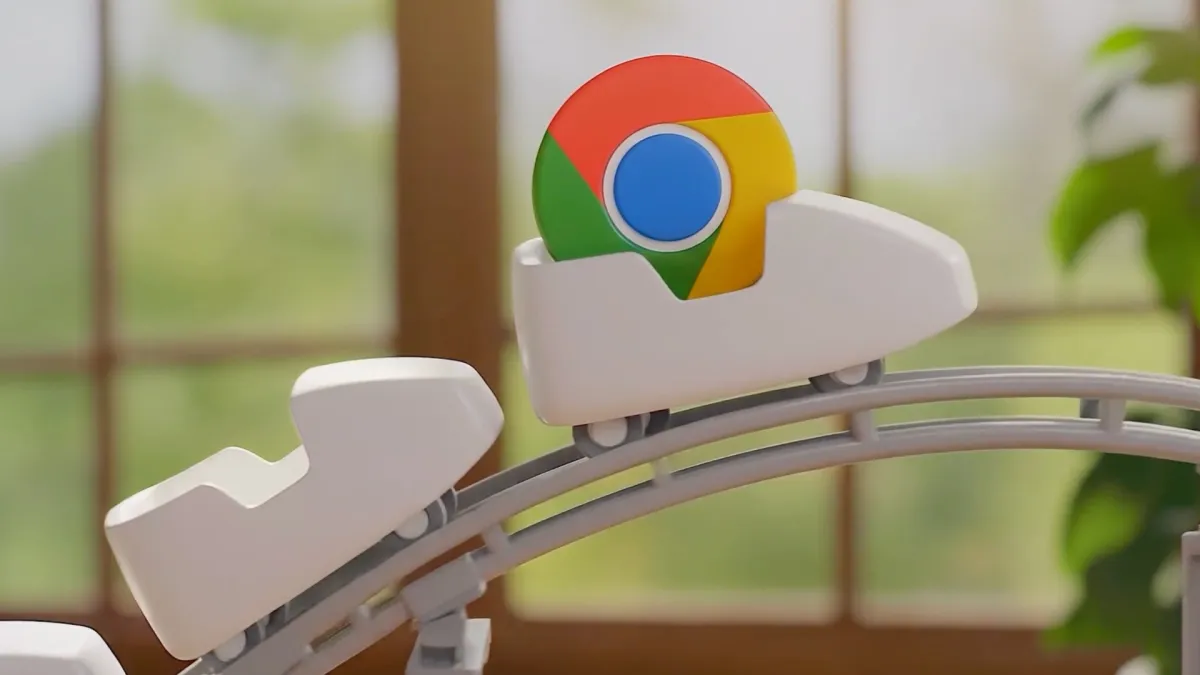
Why this visual matters: This image illustrates the competitive landscape of Chrome’s enhancements amid the rise of AI-driven browsers. The integration of advanced features like the Gemini assistant showcases how traditional platforms are evolving to meet user demands in the digital age.
Strategic Deployment Logic
Strategic Deployment Logic
Explore how integrating advanced browser features can enhance your business operations and user engagement. Start adapting your digital strategy today to leverage the power of automation.
Frequently Asked Questions
What are the main new features introduced in Chrome?
Chrome’s latest update includes the Gemini assistant in a permanent sidebar, personal intelligence capabilities, Nano Banana integration for image modification, and an innovative auto-browse feature for task management.
How will these features impact user behavior?
As users become accustomed to automated browsing capabilities, they may expect similar functionalities across all digital platforms, potentially shifting consumer behavior towards more seamless online experiences.
What challenges do AI-powered browsers currently face?
Despite their potential, many AI-powered browsers struggle with accurately interpreting user intent and completing complex tasks, which could hinder broader adoption among users.
How can businesses prepare for these changes?
Businesses should focus on optimizing their online platforms for compatibility with automated browsing features and enhancing user experiences to meet evolving consumer expectations.
Meet the Analyst
Marcus Vance, Tech Editor
Marcus is a seasoned technology analyst with over a decade of experience in digital innovation. His insights into emerging trends help businesses navigate the rapidly changing tech landscape.
Last Updated: March 2026 | HustleBotics Editorial Team