Core Analysis: The Fast Food Merchandise Landscape
The fast food industry is characterized by fierce competition, with brands constantly searching for ways to attract and retain customers. A recent report by the National Restaurant Association indicates that consumer spending in the quick-service segment is projected to grow by 3% in 2026. This growth presents both opportunities and challenges, particularly as businesses navigate tight profit margins and price-sensitive consumers.
To address these challenges, many restaurants are turning to collectible merchandise as a strategic tool for enhancing customer engagement. According to a study by Market Research Future, the global market for collectible merchandise is expected to reach $20 billion by 2027, driven by the increasing popularity of brand loyalty programs and limited-edition offerings. This trend indicates that restaurants can leverage collectible items to create a sense of urgency and exclusivity among consumers, ultimately driving sales and brand loyalty.
The strategic implementation of collectible merchandise requires a thoughtful approach. Fast food brands must evaluate their target demographics and align their merchandise with brand identity to ensure resonance with consumers. For instance, brands targeting younger generations may benefit from incorporating trendy, socially conscious designs into their merchandise offerings. This alignment not only enhances consumer engagement but also fosters a deeper emotional connection between the brand and its customers.
Second-Order Effects: What Most People Miss
While the immediate benefits of introducing collectible merchandise are apparent, the second-order effects can be profound. For instance, the introduction of limited-edition items can create a ripple effect in terms of consumer behavior and brand perception. When consumers perceive items as exclusive, they may feel a stronger sense of urgency to purchase, leading to increased foot traffic and, ultimately, higher sales.
Moreover, collectible merchandise can serve as a catalyst for community-building among customers. As consumers share their collectible items on social media, they contribute to a larger conversation surrounding the brand, enhancing its visibility and appeal. This organic marketing strategy can lead to increased brand awareness and customer acquisition, as potential customers are drawn in by the excitement generated by existing fans.
In addition, the data collected from merchandise sales can provide invaluable insights into consumer preferences and trends. By analyzing purchase patterns, restaurants can refine their offerings and tailor their marketing strategies to better meet customer needs. This iterative approach can create a feedback loop that continually enhances the brand experience, ultimately leading to increased customer loyalty.
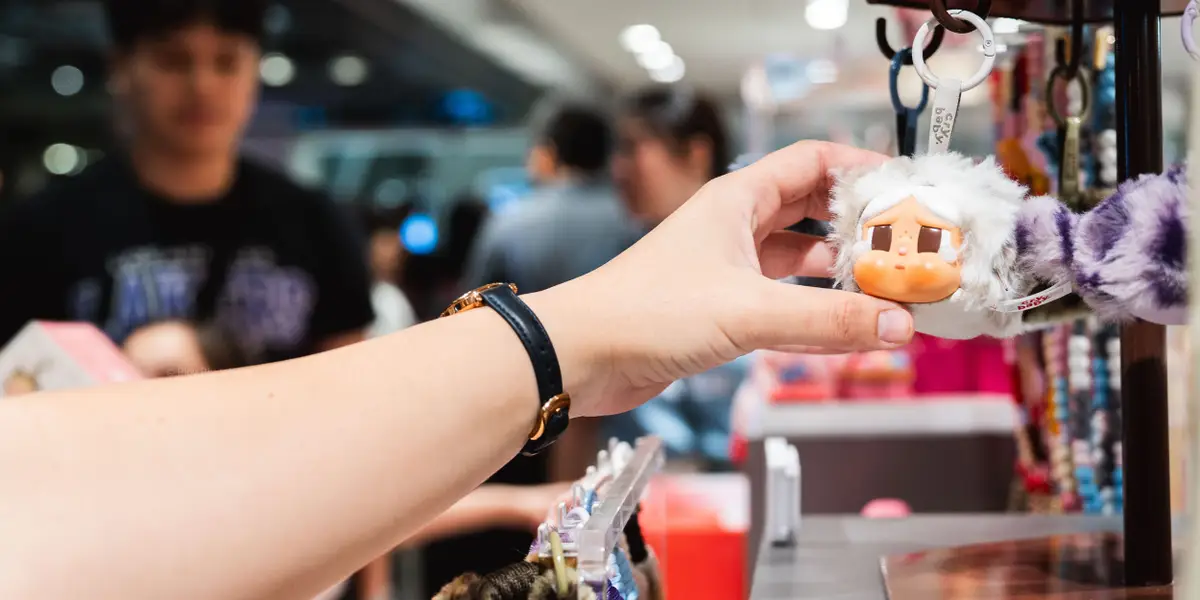
Why this visual matters: This visual highlights the strategic significance of collectible merchandise in the fast food industry, illustrating how brands can leverage unique offerings to enhance consumer engagement and drive loyalty.
Data & Competition: Winners and Losers
The introduction of collectible merchandise in the fast food sector has led to a significant shift in competitive dynamics. Brands that have successfully implemented merchandise strategies have seen marked improvements in customer engagement and sales. For instance, McDonald’s limited-edition Happy Meal toys have historically generated buzz and excitement, driving foot traffic and repeat visits. Their strategy exemplifies how collectible merchandise can serve as a powerful marketing tool.
Conversely, brands that fail to adapt to this trend risk losing market share to more innovative competitors. A report from IBISWorld notes that fast food chains that do not diversify their offerings may struggle to attract younger consumers, who increasingly seek unique experiences and products. This highlights the importance of embracing change and exploring new avenues for customer engagement.
Additionally, the competitive landscape is evolving as restaurants explore collaborations with popular brands and influencers to amplify their reach. Partnerships can enhance the perceived value of collectible items, attracting a broader audience and creating buzz around the brand. For example, collaborations between fast food chains and popular entertainment franchises have successfully generated excitement and driven sales through limited-edition merchandise.
To succeed in this rapidly changing environment, brands must continuously assess their competitors’ strategies and adapt their approaches accordingly. By leveraging data analytics and customer feedback, restaurants can refine their merchandise offerings and ensure they remain relevant in the eyes of consumers.
Frequently Asked Questions
What types of collectible merchandise work best in the fast food industry?
Limited-edition items such as cups, toys, and apparel resonate well with consumers, especially when they align with current trends and brand identity.
How can collectible merchandise enhance customer loyalty?
By incorporating collectible items into loyalty programs and creating exclusive offers, restaurants can incentivize repeat visits and foster a sense of community among customers.
What data should restaurants collect to refine their merchandise strategies?
Restaurants should monitor sales data, customer feedback, and purchase patterns to identify which items resonate most with consumers and adjust their offerings accordingly.
Are collaborations with other brands effective for collectible merchandise strategies?
Yes, partnerships with popular brands or influencers can amplify reach and generate excitement, attracting a broader audience to the restaurant’s offerings.
Meet the Analyst
Marcus Vance, Tech Editor. Marcus is a seasoned analyst with over a decade of experience in the food and beverage industry, specializing in market trends and consumer behavior.
Last Updated: March 2026 | HustleBotics Editorial Team