Unlocking Market Dominance: The Urgency of the Indian AI Impact Summit
The Indian AI Impact Summit has emerged as a significant financial opportunity for industry stakeholders, showcasing breakthroughs and influencing market direction. However, the event has also been marred by controversies that could affect operators’ positioning in a rapidly evolving landscape. According to a report by the Indian Institute of Technology, the potential for innovation in the region remains high, yet mismanagement could stymie growth and reputation.
The AI Ecosystem: Opportunity Meets Challenge
Initially, the Indian AI Impact Summit was poised to solidify India’s role as a formidable player in the global technology landscape. However, management issues and security protocols led to disruptions, hampering vital communication and networking opportunities that are essential for fostering new partnerships. A recent statement from the World Economic Forum highlighted that such mismanagement could deter foreign investment, which is crucial for the country’s technological advancement.
Compounding these issues was a miscommunication from Galgotias University regarding their development of a Chinese “robodog,” which culminated in an official apology. This incident not only raised questions about the credibility of the summit but also illustrated the potential pitfalls in innovation narratives that can arise from misunderstandings.
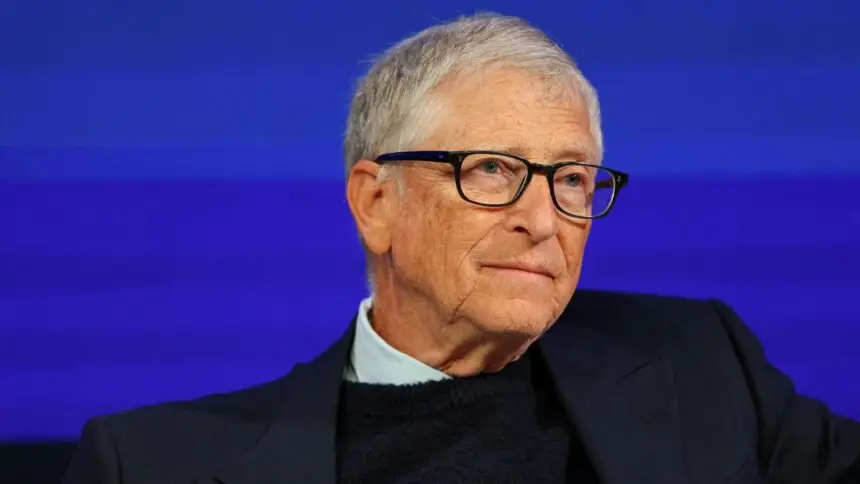
The most significant blow to the summit came from the unexpected withdrawal of Bill Gates, co-founder of Microsoft, who was scheduled to deliver a keynote address. His cancellation, announced via social media by the Gates Foundation, has created ripples throughout the industry. This decision was influenced by recent controversies surrounding Gates’ past interactions with high-profile figures, including a convicted sex offender. His absence from the summit raises questions about the potential impact of personal scandals on corporate and governmental initiatives in the tech sector.
Stakeholder Reactions
The implications of these events are profound. Investors and tech leaders must recognize that ongoing reputational issues can distort public perception, potentially leading to unstable market conditions. The backlash against Gates’ withdrawal underscores the need for stakeholders to approach their partnerships and events with heightened scrutiny to mitigate similar vulnerabilities. According to a report by McKinsey, companies that prioritize reputation management can achieve a competitive advantage, especially in times of crisis.
What This Means for Operators
Operators must navigate a complex landscape marked by reputational risks and side-challenges to innovation. Engaging actively with event narratives while managing communication delicately will be critical in avoiding pitfalls that may arise from misunderstandings or unexpected withdrawals from key figures. A proactive communication strategy, as suggested by industry analysts, can serve as a safeguard against potential fallout.
Data & Competition
As the fallout from the Indian AI Impact Summit unfolds, it is essential to assess the winners and losers in this scenario. Companies that effectively manage their reputations and communications can emerge stronger, while those that fail to address these issues may find themselves at a disadvantage. For instance, tech firms that have previously collaborated with Gates may need to reassess their partnerships in light of the reputational risks associated with his recent controversies.
Why this visual matters: This image encapsulates the significant shifts in market dynamics following Bill Gates’ exit from the Indian AI Impact Summit, highlighting the implications for future profit and strategic partnerships in the tech industry.
Strategic Deployment Logic
Strategic Deployment Logic
Develop a proactive communication strategy for high-profile events to mitigate risks associated with public figures and ensure message clarity.
Frequently Asked Questions
Did Bill Gates’ departure from the summit signify a shift in the company’s AI focus?
Bill Gates’ withdrawal from the Indian AI Impact Summit primarily reflects the need to maintain focus amidst controversies. While his foundational vision continues to influence Microsoft, the current leadership is steering the company’s AI strategy towards more aggressive innovations.
What are the long-term profit implications for AI development at Microsoft following Bill Gates’ step-back?
The long-term profit implications for Microsoft’s AI development remain robust, with current leadership maintaining an aggressive strategy in cloud AI, enterprise solutions, and consumer applications. Gates’ shift underscores the maturity of the company’s leadership and its commitment to leading the AI revolution for sustained growth.
How can companies mitigate reputational risks in high-profile events?
Companies can mitigate reputational risks by developing robust communication strategies, engaging in transparent dialogue with stakeholders, and proactively managing public perceptions. This approach can help maintain credibility and foster trust in uncertain times.
Meet the Analyst
Marcus Vance, Tech Editor – A seasoned analyst with over a decade of experience in the technology sector, Marcus specializes in market trends and competitive analysis, offering insights that empower stakeholders to make informed decisions.
Last Updated: March 2026 | HustleBotics Editorial Team