Transforming Static Websites: A New Era of Personalization
Fibr AI, a startup recently bolstered by a $5.7 million seed funding round led by Accel, is set to revolutionize the way websites interact with visitors. Traditional web experiences have largely remained static, despite the rise of personalized advertising. Fibr AI aims to bridge this gap by deploying autonomous agents that tailor website content to individual users, shifting away from the outdated model of generic webpages that fail to engage diverse audiences.
According to a report by McKinsey, companies that adopt personalization strategies can achieve a 10-30% increase in revenues. This is particularly relevant for sectors like finance and healthcare, where user engagement can directly impact conversion rates. Fibr AI’s approach not only enhances user experience but also promises to streamline operations that have historically been bogged down by manual processes, enabling businesses to scale their personalization efforts more effectively.
The startup‘s journey began in 2023, but it wasn’t until last year that it began attracting significant interest from large enterprises, increasing its customer base to 12. This growth can be attributed to a growing recognition of the limitations of traditional web personalization methods, which often involve lengthy coordination among marketing agencies and engineering teams. Fibr AI’s model proposes a more agile alternative, allowing for real-time adjustments and continuous experimentation.
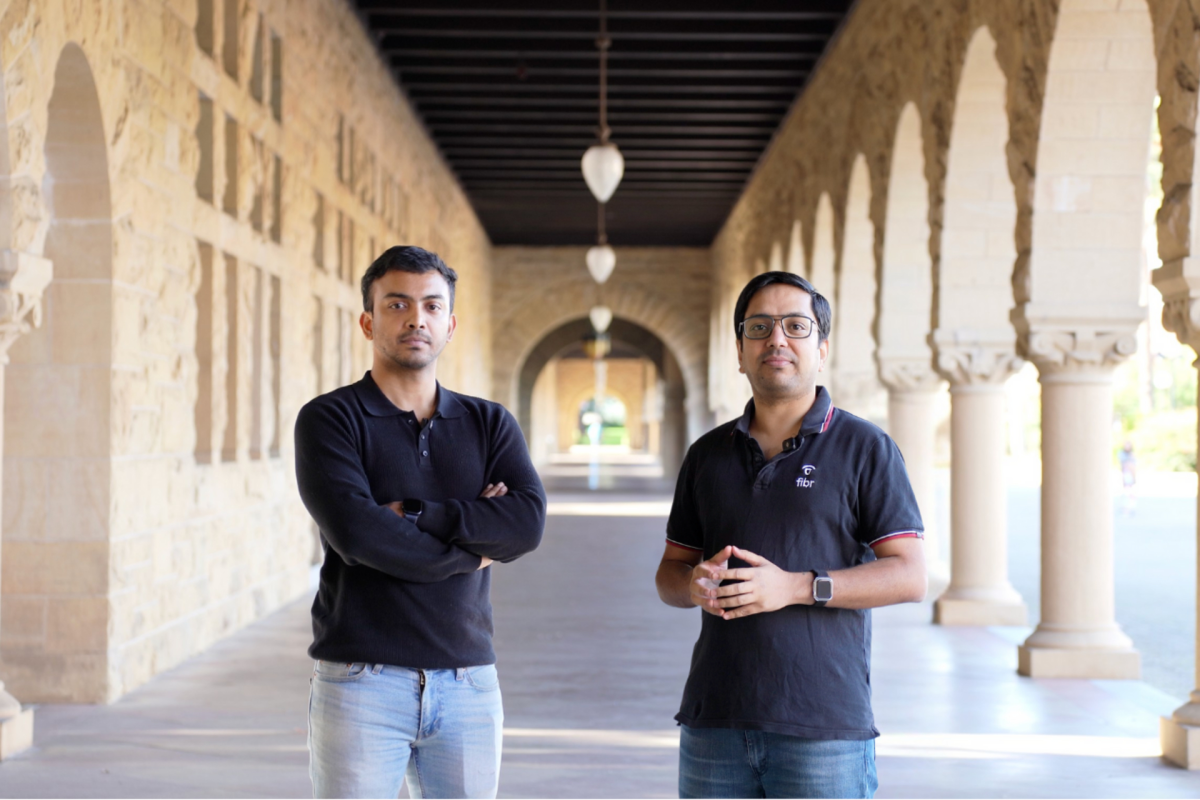
Ankur Goyal, co-founder and CEO of Fibr AI, emphasized that their platform functions as a layer above existing websites, integrating seamlessly with a company’s advertising and analytics systems. This allows for the dynamic modification of webpage content based on real-time user interactions, which is a stark contrast to the traditional, static approaches that have dominated the industry.
Second-Order Effects
While the immediate benefits of Fibr AI’s technology are clear, the second-order effects could be even more profound. One potential outcome is the democratization of web personalization. As Fibr AI’s platform becomes more widely adopted, smaller businesses may gain access to advanced personalization tools that were previously only available to larger enterprises. This could level the playing field, allowing small and medium-sized enterprises (SMEs) to compete more effectively against larger corporations.
Moreover, the reliance on autonomous agents for web personalization could lead to a shift in the workforce landscape. As businesses increasingly adopt these technologies, there may be a reduced demand for traditional web developers and marketing agencies that specialize in static content creation. Instead, there could be a surge in demand for professionals who can manage and optimize these autonomous systems, leading to new job roles and a shift in skill requirements.
Additionally, the rise of personalized digital experiences could alter consumer behavior. With websites adapting in real-time to user preferences, visitors may come to expect a higher level of customization. This could lead to a cycle of increased consumer demand for personalization, further driving innovation in the space.
Data & Competition
The launch of Fibr AI has not gone unnoticed by established players in the market. Companies like Adobe and Optimizely, which have traditionally dominated the web personalization and experimentation sectors, may face challenges as Fibr AI’s agile and autonomous model gains traction. These incumbents have been criticized for their slow rollout of new features and reliance on complex configurations that often require extensive engineering support.
In a recent analysis by Forrester, it was noted that organizations are increasingly seeking solutions that offer rapid deployment and scalability—two areas where Fibr AI excels. As enterprises continue to navigate the digital landscape, the ability to conduct thousands of experiments simultaneously could become a critical differentiator.
The potential winners in this evolving landscape are those companies that embrace Fibr AI’s model of real-time personalization. By reducing costs associated with traditional web personalization methods, businesses can reallocate resources towards more strategic initiatives. Conversely, companies that fail to adapt may find themselves lagging behind in a competitive market.
Why this visual matters: The image showcases how Fibr AI transforms websites into personalized journeys, highlighting its innovative approach to web solutions that enhance user engagement and drive conversions.
Core Actionable Steps
System Alpha Executable
Explore how Fibr AI can streamline your web personalization and boost engagement by visiting their website and signing up for a demo.
Frequently Asked Questions
What is Fibr AI?
Fibr AI is a startup that utilizes autonomous agents to transform conventional webpages into personalized experiences tailored to individual visitors, enhancing user engagement and conversion rates.
How does Fibr AI improve website personalization?
Fibr AI integrates with existing websites to dynamically modify content based on real-time user interactions, allowing for continuous experimentation and optimization without the need for extensive engineering resources.
Who are Fibr AI’s main competitors?
Fibr AI competes with established players such as Adobe and Optimizely, which have traditionally dominated the web personalization and experimentation markets.
What industries can benefit from Fibr AI’s technology?
Industries such as finance and healthcare, which require high levels of personalization and user engagement, stand to benefit significantly from Fibr AI’s innovative approach to web experiences.
Meet the Analyst
Marcus Vance, Tech Editor, has over a decade of experience in analyzing emerging technologies and their impact on business. His insights help organizations navigate the complexities of digital transformation.
Last Updated: March 2026 | HustleBotics Editorial Team