
🌐 CONTEXT & BACKGROUND
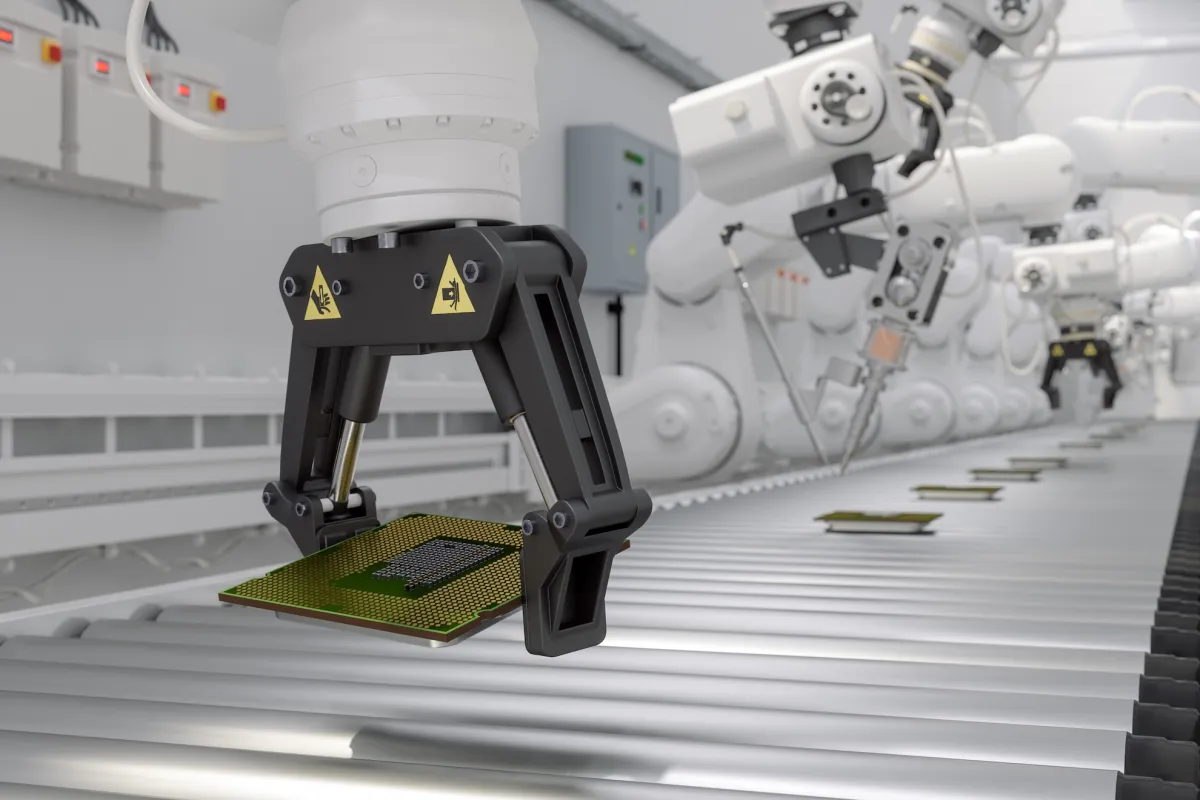
For entrepreneurs, understanding the dynamics between capital investment in physical technologies and automation systems is paramount. The evolution of how we interact with the physical world shapes not only emerging business opportunities but also what success will look like in an increasingly automated landscape.
Historically, venture capital has been drawn toward software as the cornerstone of innovation. Prior to this news, the bulk of investments gravitated towards applications that optimize screens rather than those that act within the tangible world. This shift solves a pressing dilemma: how can we harness technology to operate more efficiently and intelligently in real-time, rather than just enhancing our digital experiences?
📊 MARKET IMPACT ANALYSIS
The news surrounding Eclipse’s recent investment of $1.3 billion into physical automation systems is pivotal. This capital infusion positions Eclipse as a trailblazer in redefining how sectors interact with technology. Winners will undoubtedly include early-stage startups in areas such as transportation, energy, and industrial automation. In contrast, traditional firms resistant to change could find themselves outpaced and irrelevant, creating a clear demarcation between innovative agility and stagnation.
Specific industries ripe for disruption include logistics, manufacturing, and urban planning. With intelligent automation penetrating these sectors, businesses have an unparalleled opportunity to leverage technology for improved operational efficiency, ultimately driving down costs and increasing profitability. The financial landscape will witness a recalibration; smart investors will seek to capitalize on the synergies created when companies in Eclipse’s portfolio collaborate, sharing insights and resources for mutual benefit. This interconnected web of startups could create powerful market monopolies or oligopolies.
⚔️ COMPETITIVE COMPARISON
When juxtaposed with earlier technology investments, Eclipse’s model stands out for two reasons: sector-wide integration and its scalability potential. Traditional models focused primarily on singular innovations within isolated markets, which often resulted in unnecessary fragmentation. Eclipse differentiates itself through its ambition to create a more holistic web of interconnected startups—akin to a symbiotic ecosystem of automation systems.
While competitors in the digital realm emphasize user engagement and software-driven analytics, Eclipse’s focus settles squarely on real-world applications that deliver tangible outcomes. The upcoming era they are investing in can be likened to the shift from standalone desktop applications to cloud software networks, marking a revolutionary pivot towards comprehensive strategically aligned initiatives.
🛠️ REAL-WORLD USE CASES & MONETIZATION
Entrepreneurs and solo-hustlers can capitalize on Eclipse’s strategies with actionable workshop ideas that focus on physical automation. Here are three immediate monetization ideas:
- ⚡ **Collaborative Delivery Networks**: Develop a logistics platform that seamlessly integrates autonomous vehicles for last-mile delivery. Companies utilizing Eclipse’s portfolio technologies can collaborate to create a network of self-driving delivery solutions.
- ⚡ **Smart Home Integration**: Engage in creating IoT devices that serve as physical interfaces with various autonomous systems, optimizing energy consumption through predictive analytics, thereby enhancing residential or commercial smart-building infrastructures.
- ⚡ **Battery Recycling Programs**: Initiate localized battery recycling services that leverage insights and technologies from companies like Redwood Materials, providing sustainable options while generating revenue through material recovery and supply chain partnerships.
📈 DATA & TRENDS
The VC industry is witnessing a tremendous surge in investment towards physical automation systems, with figures reaching an estimated $2.5 billion in the sector alone. Projections suggest the market will see a CAGR of about 18% from 2022 to 2026, reflecting a burgeoning interest in scalable automation solutions. User adoption is also on an upwards trajectory; by 2026, it is estimated that 70% of logistics operations will employ some degree of intelligent automation.
🧠 HUSTLEBOTICS EDITORIAL INSIGHT
Based on our analysis at HustleBotics, the convergence of automation systems with the physical world represents a robust shift, not just a momentary trend. The strategic investments made by Eclipse suggest a confidence in flourishing interconnected ecosystems, where niche automation technologies enable larger operational modalities. This trend equips startups with a versatile toolkit to innovate, making their operational models more adaptable and profitable in ways that were previously unimaginable.
🔮 FUTURE PREDICTIONS
In the next six months, we can anticipate a burgeoning landscape of partnerships springing from Eclipse’s investments, quantifying the value of these ecosystems. Two years down the line, we may witness an established hierarchy among companies who actively embrace this integrated approach versus those who cling to outdated methodologies. This juncture could signal a definitive pivot point for various industries, indicating not just hype but a new operational framework that will dominate the future of business.
❓ FAQ SECTION (SEO Booster)
What is physical automation?
Physical automation refers to the implementation of automated systems and technologies that interact directly with the physical world, performing tasks traditionally handled by humans.
How to invest in physical automation technologies?
To invest in physical automation technologies, entrepreneurs should research emerging startups in the sector, understand market trends, and align their investments with the growing demand for integrated solutions.
Can I start a business leveraging physical automation systems?
Yes, starting a business that leverages physical automation systems is viable. Entrepreneurs can explore sectors such as logistics, energy management, and smart urban infrastructure.
What are the benefits of collaborating with startups in this field?
Collaboration with startups in physical automation can yield efficiencies, foster innovation, and create competitive advantages by pooling resources and knowledge, driving cost savings across sectors.
Is this trend sustainable in the long term?
Yes, the trend toward physical automation is expected to be sustainable, as demand for efficiency, cost-reduction, and operational intelligence grows across industries.