In an era where energy efficiency not only equates to cost savings but also sustainability, the launch of the Merino Mono could signify a pivotal moment for entrepreneurs and innovators in the home efficiency sector. Merino Energy, with its streamlined heating solution, challenges existing norms and sets the stage for radical transformation in the heating and cooling industry.
The concept of heat pumps has evolved significantly over the years. Traditionally, these systems were cumbersome, involving multiple components and complex installation processes that often deterred potential users. Designed to transfer heat rather than generate it, heat pumps have long been lauded for their ability to provide efficient climate control; however, installation costs and complexities have hampered widespread adoption. Until now, homeowners faced significant obstacles, from pricing—typically ranging from $4,000 to $6,000 per zone—to labor-intensive setups requiring specialized skills and time.
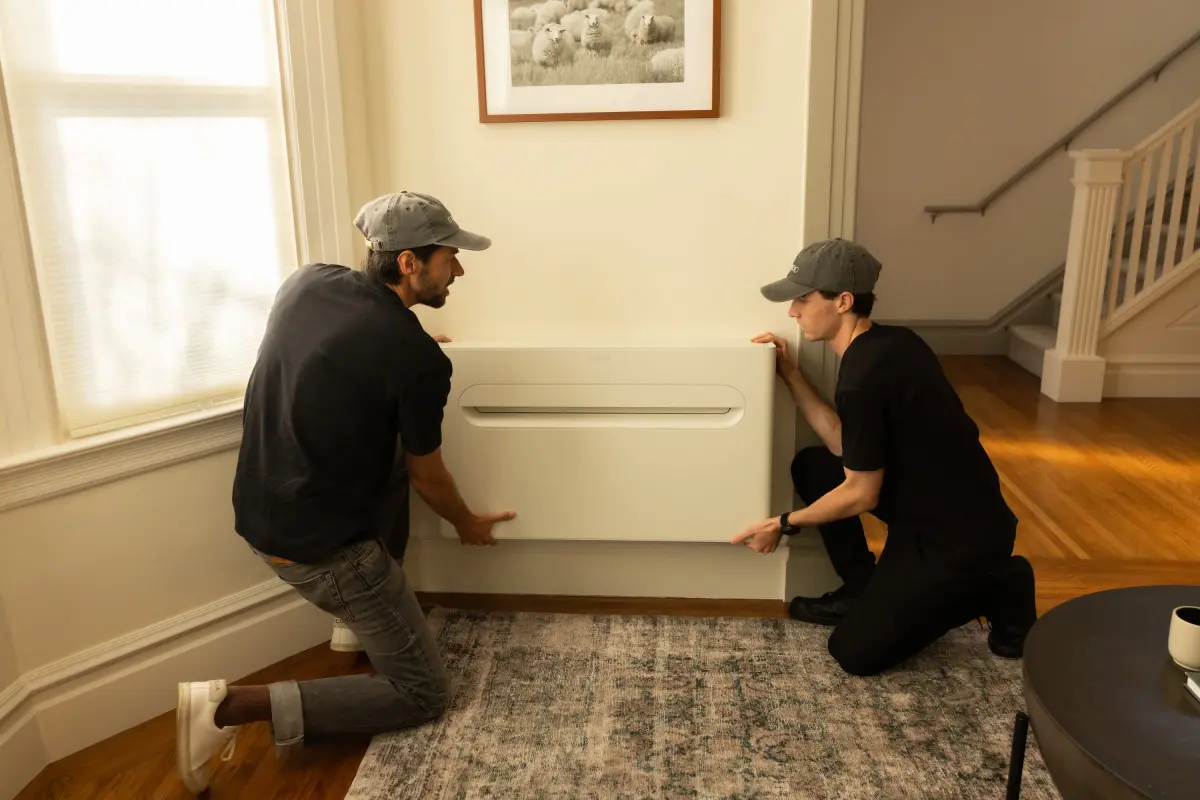
Enter Merino Energy, co-founded by Mary-Ann Rau. With her roots in the tech industry, including a notable tenure at Apple, Rau’s vision centers on democratizing heat pump technology. The company’s mission aims to bridge the gap between innovative heating solutions and everyday accessibility for ordinary consumers. The design of the Merino Mono marks a departure from conventional models through its ingenious integration of components into a single unit, making it not only easier to install but infinitely more appealing.
📊 MARKET IMPACT ANALYSIS
As we delve deeper into the implications of this breakthrough, it becomes evident that Merino Energy is poised to shake up the industry landscape. An analysis reveals both winners and losers in this evolving scenario.
First, let’s consider the winners. Homeowners, particularly those in urban and suburban settings, stand to benefit immensely from a more affordable and easier-to-install product. The immediate financial leverage for homeowners is significant—lower installation costs foster greater adoption, ultimately leading to energy savings down the line. Furthermore, real estate developers and landlords in low-income housing markets, such as the Civic Center Apartments in Richmond, California, can enhance property value while improving tenant satisfaction with efficient climate controls.
However, not everyone rejoices. Traditional heating and cooling companies that rely on complex, higher-margin systems may experience a notable downturn in sales. Instant impact could ripple through fluctuating stock prices and a sudden shift in market strategies for established firms. A seismic shift in how heat pumps are perceived—now lower in price and hassle—could disrupt existing market leaders drastically.
Industries poised for disruption include HVAC installation services, traditional heating cooling manufacturers, and retail. The entry of a streamlined product enticing a diverse demographic means lucrative financial opportunities for Merino Energy and, consequently, an impactful shakeup of markets that had remained stagnant for too long.
⚔️ COMPETITIVE COMPARISON
The Merino Mono is not merely a flashy new entry; it represents a substantial technological advancement over existing products. When compared against previous models and the competition, it stands out for several reasons.
While traditional heat pumps often require dual outdoor and indoor components that complicate installation, Merino simplifies this into one streamlined unit. With an impressive one-hour installation time, contrasting starkly with the multi-hour setups often seen in conventional systems, installers can cover significantly more sites daily. Merino’s Mono model also plugs into a standard 120-volt outlet, cutting down on electrical upgrade needs—something rarely considered by older models which often demanded expensive wiring adjustments.
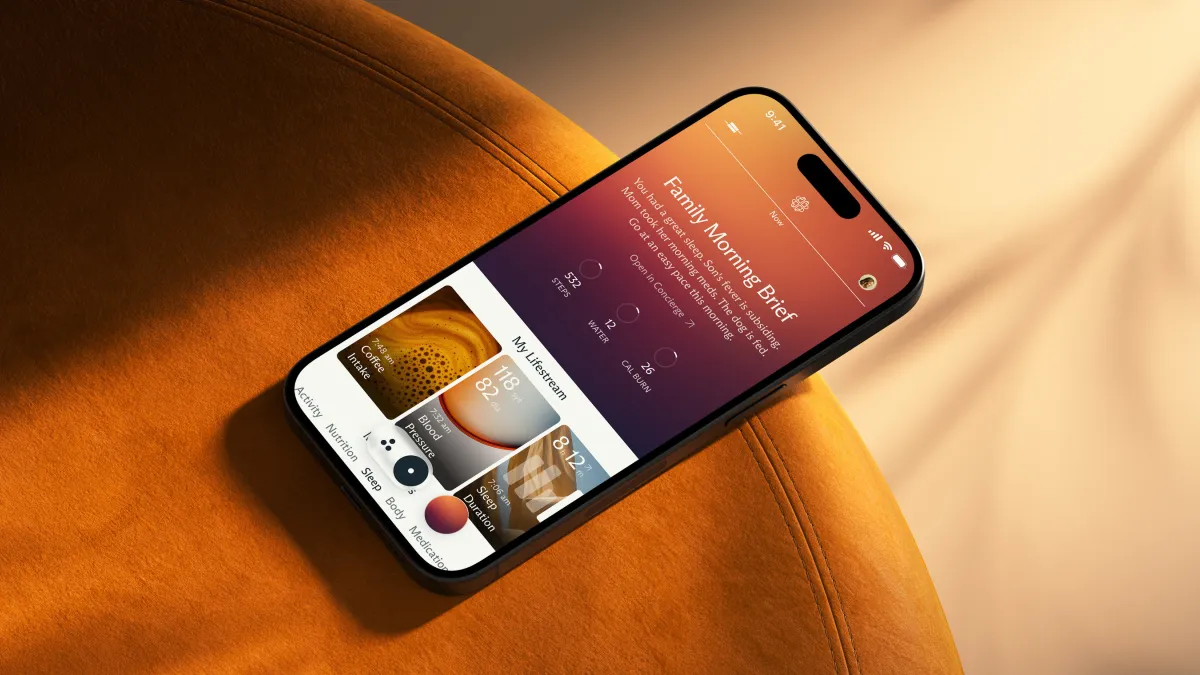
In terms of efficiency, the Mono’s SEER2 rating of 15.2 appears modest, especially when compared to systems from competitors like Quilt, which boasts an impressive 25 rating. However, for urban spaces where ease and compactness are prioritized over sheer efficiency, Merino’s design speaks volumes. The tech leverages an urban dwelling’s constraints by mobile checks and interconnectivity, aligning operations based on human presence to increase comfort and reduce waste.
🛠️ REAL-WORLD USE CASES & MONETIZATION
Merino’s focus on simplicity paves the way for several actionable business opportunities. Entrepreneurs, startups, or even MVP-driven solo-hustlers should capitalize on this innovation to monetize accordingly. Here are three ideas:
- ⚡ **Micro-installation Services**: Given the one-hour install time, startups can create agile micro-installation businesses, offering on-demand services to homeowners to hook up their new Merino units.
- ⚡ **Partnerships with Real Estate Developers**: Present compelling financial forecasts to real estate developers looking to enhance property appeal in low-income housing by offering assistance or incentives for bulk installations.
- ⚡ **Home Energy Management Consulting**: Position yourself as a consultant that combines Merino installations with comprehensive energy management solutions, guiding households toward optimized energy consumption and cost reductions.
📈 DATA & TRENDS
The heating and cooling market has seen significant shifts, particularly as consumers embrace sustainable solutions. Recent reports indicate that the market for heating pumps is poised for rapid growth, fueled by technology advancements. Estimates suggest a compound annual growth rate (CAGR) of approximately 10% through 2026, signaling substantial interest and investment.
The sector could see investments surpassing $3 billion in the next few years as more homeowners adopt sustainable solutions. Consumer adoption trends for heating pumps have risen by 20% in the past two years, primarily driven by the need for efficiency and lower energy bills.
🧠 HUSTLEBOTICS EDITORIAL INSIGHT
Based on our analysis at HustleBotics, Merino Energy’s entry into the market could herald a new era of affordable home heating solutions. This innovation simplifies installation, reduces costs, and most importantly, democratizes access to clean energy technology. The trend toward integrating home automation systems with energy-efficiency solutions is only going to accelerate. Merino has the potential to set a benchmark, and incumbents may need to reinvent themselves to remain competitive.
🔮 FUTURE PREDICTIONS
Across the next six months, we anticipate heightened media attention around Merino Energy’s growth trajectory. Installations are likely to ramp up significantly, especially in California’s progressive housing markets. As visibility increases, consumer interest will likewise escalate, leading to pre-orders and a flurry of installations.
Looking ahead two years, companies like Merino may redefine industry standards. If adoption remains on its current trajectory, we may witness the emergence of a broader range of similarly designed products that prioritize simplicity and efficiency. Companies entrenched in outdated models can either adapt or risk obsolescence, with effective marketing and customer education as the only avenues to maintain relevancy in a rapidly changing landscape.
❓ FAQ SECTION (SEO Booster)
What is the Merino Mono heat pump?
The Merino Mono is a streamlined heat pump solution that integrates all components into a single unit for easier installation and efficient heating and cooling capabilities.
How does the Merino Mono differ from traditional heat pumps?
Unlike traditional models with separate indoor and outdoor components, the Merino Mono simplifies installation by combining everything into one compact unit, reducing installation complexity and time significantly.
Can I install the Merino Mono myself?
While the Merino Mono is designed for quick installation, professional installation is recommended to ensure proper functioning and alignment with local regulations.
Is the Merino Mono cost-effective?
With a competitive price point of approximately $3,800 and drastically reduced installation times, the Merino Mono presents an affordable option for homeowners compared to traditional heat pumps.
What are the future trends for heat pump technology?
As energy efficiency becomes more prioritized, we anticipate rapid advancements in heat pump technology that emphasize simplicity, connectivity, and adaptability, encouraging widespread adoption in various markets.