HustleBotics Market Analysis: Tinder’s Strategic Pivot Towards In-Person Engagement
🌐 CONTEXT & BACKGROUND
The dating landscape has evolved dramatically since Tinder’s inception in 2012. Initially, the platform revolutionized casual relationships with its “swipe right” feature, offering a simple, gamified way for individuals to connect based on visual appeal. However, as the user base swelled, the dating ecosystem experienced growth pains, including “swipe fatigue” and concerns about the superficial nature of online dating. This shift created a void for more meaningful, genuine interactions.
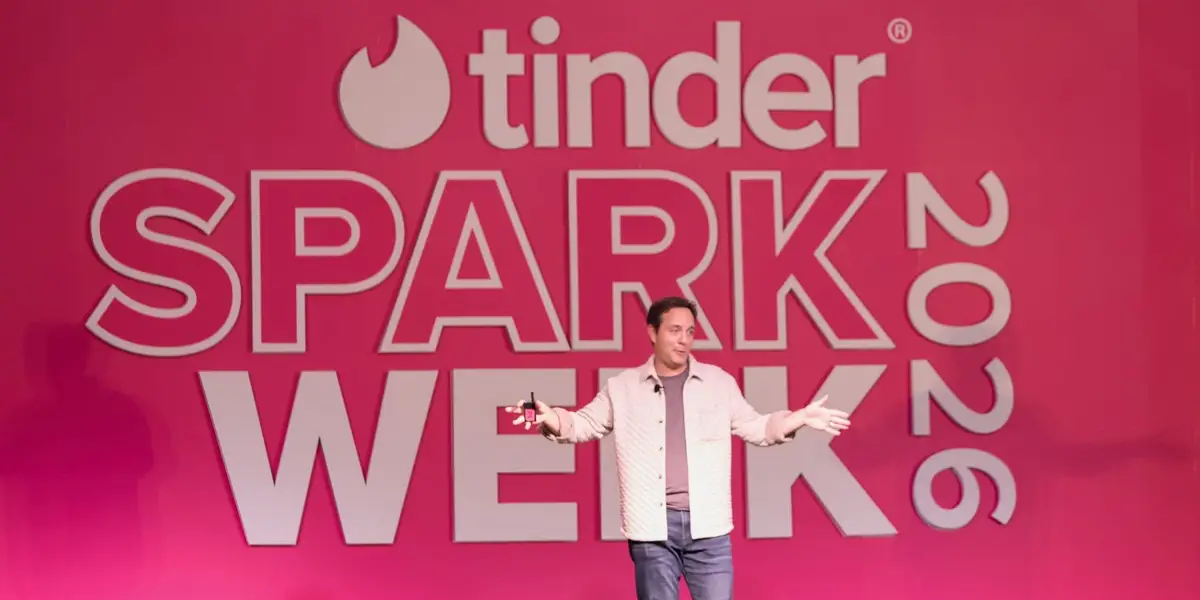
In 2026, Tinder has embarked on a transformative journey aimed at overcoming the limitations of digital-only interactions. By implementing features that promote offline engagement—such as in-person events—the platform seeks to mitigate the growing dissatisfaction among users who desire more than just another profile to swipe through. The emergence of Tinder’s “Events” tab signals a potential resurgence in authentic connection, creating a digital wealth opportunity for entrepreneurs and businesses that can capitalize on this paradigm shift.
📊 MARKET IMPACT ANALYSIS
This pivot towards meaningful offline connections represents a significant shift in Tinder’s strategy, positioning the company to capitalize on existing market frustrations. The primary winners in this scenario will be users who crave authentic relationships, as well as businesses that can monetize the sustained interaction surrounding these events. Conversely, traditional online-only dating applications may find themselves in jeopardy, unable to adapt quickly enough to this evolving consumer demand.
Tinder’s foray into in-person events will likely disrupt various industries beyond dating, including social gatherings, entertainment, and local businesses that host these events. Key leverage points include:
- Local businesses partnering with Tinder to host events.
- Enhanced opportunities for event organizers and promoters.
- Potential integrations with lifestyle brands focused on social engagement.
⚔️ COMPETITIVE COMPARISON
Tinder’s current trajectory can be compared against predecessors like Match.com and newer entrants like Bumble, both of which have primarily led a digital-first approach. While previous models relied heavily on algorithms and digital engagement metrics, Tinder’s new paradigm emphasizes real-world experiences. Key benchmarks include:
- User Engagement: Traditional platforms see lower retention rates due to swipe fatigue; Tinder aims to enhance retention via engagement in real-life connections.
- Brand Perception: Tinder is leveraging IRL events to shift its brand from being solely associated with casual hookups to a platform fostering authentic relationships.
- Technology Adoption: The integration of AI-driven features, such as the Chemistry program, enhances user experience but remains secondary to the focus on physical interaction.
🛠️ REAL-WORLD USE CASES & MONETIZATION
Tinder’s new approach enables a range of exciting monetization opportunities for entrepreneurs:
- ⚡ Event Hosting: Local entrepreneurs can create and host dating events, utilizing Tinder’s platform for promotional support and leveraging attendance data for targeted marketing.
- ⚡ Brand Partnerships: Lifestyle brands can collaborate with Tinder to co-sponsor events, creating an integrated marketing experience that aligns with consumer interests.
- ⚡ Content Creation: Influencers and content creators can build brand partnerships around these events, driving engagement through vlogs, blogs, or social media campaigns focused on the experiences.
📈 DATA & TRENDS
The adoption of in-person engagements is projected to grow significantly, with estimated investments in dating-related events expected to reach upwards of $500 million by 2026. The broader online dating market is projected to experience a compound annual growth rate (CAGR) of 8%, driven largely by innovations such as Tinder’s event-driven model. User adoption trends will reflect:
- Over 30% of users participating in events in metropolitan areas by 2026.
- A 20% increase in average user time spent on the platform due to enhanced engagement.
- Greater interest in astrology and music-based dating, showcasing evolving relationship dynamics.
🧠 HUSTLEBOTICS EDITORIAL INSIGHT
Based on our strategic analysis at HustleBotics, Tinder’s pivot towards in-person events can be viewed as an astute response to changing consumer dynamics. The company’s proactive effort to address swipe fatigue reflects a broader industry trend where convenience and authentic connections are paramount. This strategic pivot may not only rejuvenate user engagement, but also unleash a host of entrepreneurial opportunities in local markets.
🔮 FUTURE PREDICTIONS
In the next six months, we anticipate a measurable uptick in users engaging with the new “Events” feature, potentially leading to further enhancements. In a two-year outlook, Tinder’s strategic pivot may pave the way for a new normative behavior in the dating landscape, balancing digital interactions with in-person engagements. While the full impact remains to be seen, the priority on authentic connections marks a pivotal moment for both Tinder and the dating industry at large.
❓ FAQ SECTION (SCHEMA READY)
What is Tinder’s new Events feature?
Tinder’s new Events feature allows users to connect via in-person dating events, creating opportunities for authentic interactions beyond digital swiping.
How can users participate in Tinder’s events?
Users can browse event listings on the platform and register to attend, gaining access to other attendees’ photos and profiles as part of the registration process.
Can businesses partner with Tinder for event hosting?
Yes, local businesses have the opportunity to collaborate with Tinder to host events, tapping into a new pool of potential customers seeking meaningful connections.
How does the Events feature affect Tinder’s user engagement?
The Events feature is expected to significantly increase user engagement, addressing concerns over swipe fatigue and promoting prolonged interaction on the platform.
What are some monetization strategies related to Tinder’s events?
Entrepreneurs can monetize Tinder’s events through hosting, brand partnerships, and content creation, leveraging the platform’s user base for engagement and promotion.
💡 Hustle Verdict
Tinder’s strategic shift towards in-person events could either redefine the dating industry or become just another trend. Yet, if executed effectively, this pivot has the potential to create sustainable user engagement and revenue opportunities that resonate well into the future.