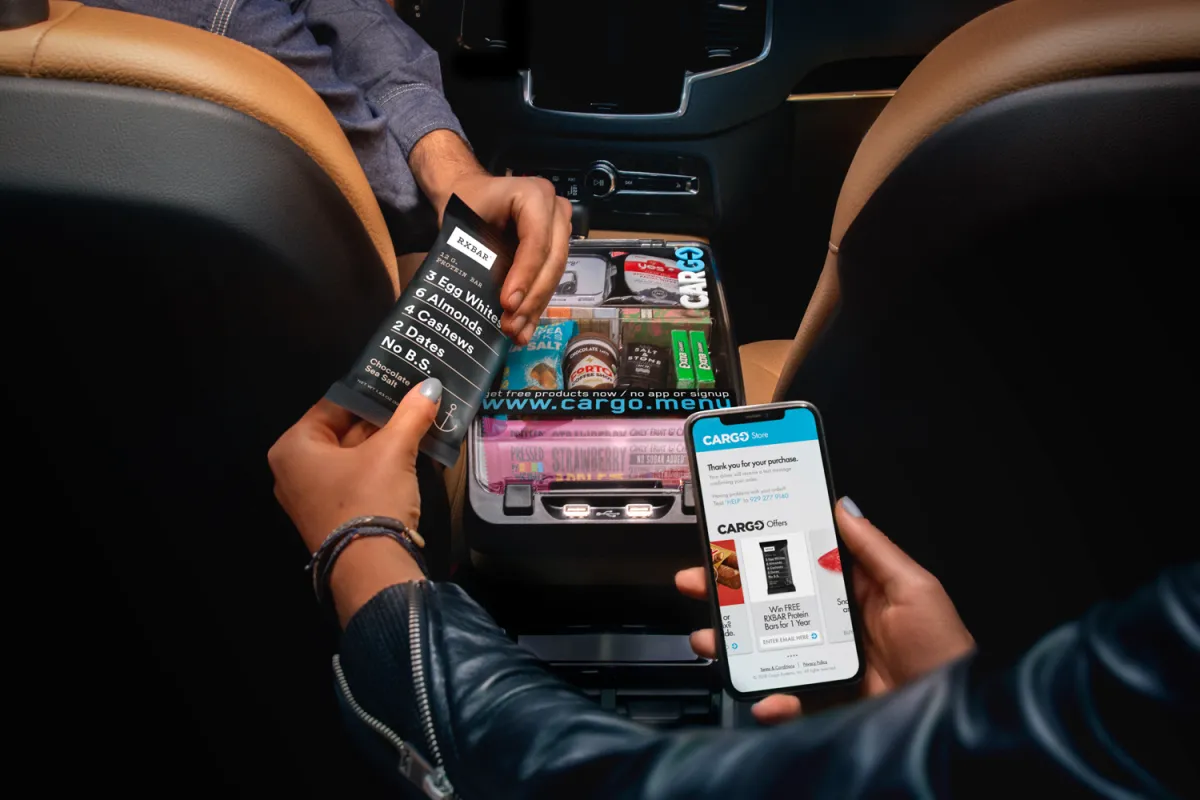
Uber & Cargo: Unlocking Untapped Wealth Opportunities for Rideshare Drivers
Featured Snippet: The Uber-Cargo partnership allows rideshare drivers to earn additional income by selling goods directly from their cars, reshaping the rideshare landscape.
🌐 CONTEXT & BACKGROUND
The rideshare market has evolved dramatically over the past decade. It emerged to solve the common problem of urban transportation by providing flexible, affordable rides through mobile apps. Initially, ridesharing platforms faced a fragmented market, filled with service inconsistencies and limited revenue opportunities for drivers.
However, the rise of advanced intelligence systems brought about revolutionary changes. The Uber-Cargo partnership exemplifies this evolution; it allows drivers to maximize their earnings by selling consumer products from the comfort of their vehicle. This evolution marks the birth of a new wealth opportunity within the rideshare industry, as drivers can now leverage their time in transit to generate additional income streams.
📊 MARKET IMPACT ANALYSIS
The collaboration between Uber and Cargo represents a significant shift in the rideshare sector, benefiting drivers and Cargo’s product partners. Winners in this scenario are the drivers, who can earn extra income, and brands like Kellogg’s and Starbucks, which gain new channels for consumer engagement. Conversely, traditional retailing avenues may face a decline in foot traffic, as consumers opt for convenience during rides.
This partnership has the potential to disrupt various sectors, including convenience stores, snack retailers, and personal electronics sales, forcing them to adapt to this new consumer behavior. Financial leverage points include:
- Increased revenues for drivers, averaging $1,200 annually.
- Brand collaborations which may yield higher profit margins through bundled offerings.
- Increased customer loyalty for Uber as driver satisfaction improves.
⚔️ COMPETITIVE COMPARISON
Before the Uber-Cargo partnership, drivers primarily relied on fares for income, with revenue streams limited to transportation services. Competing models, such as traditional taxis and rickshaws, have not capitalized on product sales directly from the vehicle.
From a technical benchmark perspective, the Uber-Cargo model stands superior due to its seamless integration of e-commerce within ridesharing. In contrast, competitors lack the infrastructure to support product sales effectively, thus failing to provide drivers with multiple income avenues.
🛠️ REAL-WORLD USE CASES & MONETIZATION
Here are three specific workflow ideas that entrepreneurs can implement immediately:
- ⚡ **Product Sampling for New Brands:** New brands can partner with Cargo to utilize rideshare drivers as brand ambassadors, providing product samples to potential customers during rides.
- ⚡ **Upsell Collaboration with Local Businesses:** Local businesses can collaborate with Uber drivers to promote their products through Cargo, sharing profits based on sales generated during rides.
- ⚡ **Subscription Box Concepts:** Entrepreneurs can develop subscription boxes filled with seasonal or themed products that can be sold through drivers, diversifying Cargo’s offerings.
📈 DATA & TRENDS
The rideshare industry is projected to grow at a CAGR of over 20% from 2021 to 2026, with an estimated value of $185 billion by 2026. Partnerships like that of Uber and Cargo will play a crucial role in this growth, providing diverse revenue strategies for drivers.
Additionally, the adoption of advanced intelligence systems in ridesharing is set to see exponential growth, with anticipated investments exceeding $30 billion annually from 2023 onwards, driven by tech integration, product convenience, and customer engagement.
🧠 HUSTLEBOTICS EDITORIAL INSIGHT
Based on our strategic analysis at HustleBotics, the Uber-Cargo partnership exemplifies a pivotal moment in the convergence of ridesharing and e-commerce. This model not only enhances drivers’ income potential but also defines new pathways for brand engagement, ultimately solidifying ridesharing as an integral player in retail transactions.
🔮 FUTURE PREDICTIONS
In the next 6 months, expect a rapid rollout of the Cargo offering to more Uber drivers beyond San Francisco and Los Angeles. As the user base expands, the model will likely refine based on user feedback and sales data.
Looking two years ahead, it’s reasonable to assume that this partnership will pave the way for deeper integrations, possibly making in-app purchases seamless directly through Uber, creating a permanent shift in the market landscape.
❓ SEO FAQ SECTION (SCHEMA READY)
What is the Uber-Cargo partnership?
The Uber-Cargo partnership allows rideshare drivers to sell physical goods to passengers, enhancing their earning potential with each ride.
How does Cargo work for Uber drivers?
Drivers receive free Cargo boxes filled with products and earn income from sales made during rides, in addition to their fare income.
Can I sell products through Cargo if I’m not an Uber driver?
Yes, Cargo allows non-Uber drivers to sell products, although partnership arrangements may differ.
How much can drivers earn from the Cargo partnership?
On average, drivers can earn an additional $1,200 annually, with top earners reaching around $3,600 yearly through product sales.
What are the requirements to get Cargo boxes?
Drivers must maintain a rating of at least 4.7 and be active on the Uber platform to qualify for free Cargo boxes.
💡 Hustle Verdict
Now is the time to seize the Uber-Cargo opportunity for exponential earnings within the rideshare community. This innovative business model ushers in a new era of multitasking transportation, yielding profit for both drivers and partners. Make strategic moves today to capitalize on this trend!