
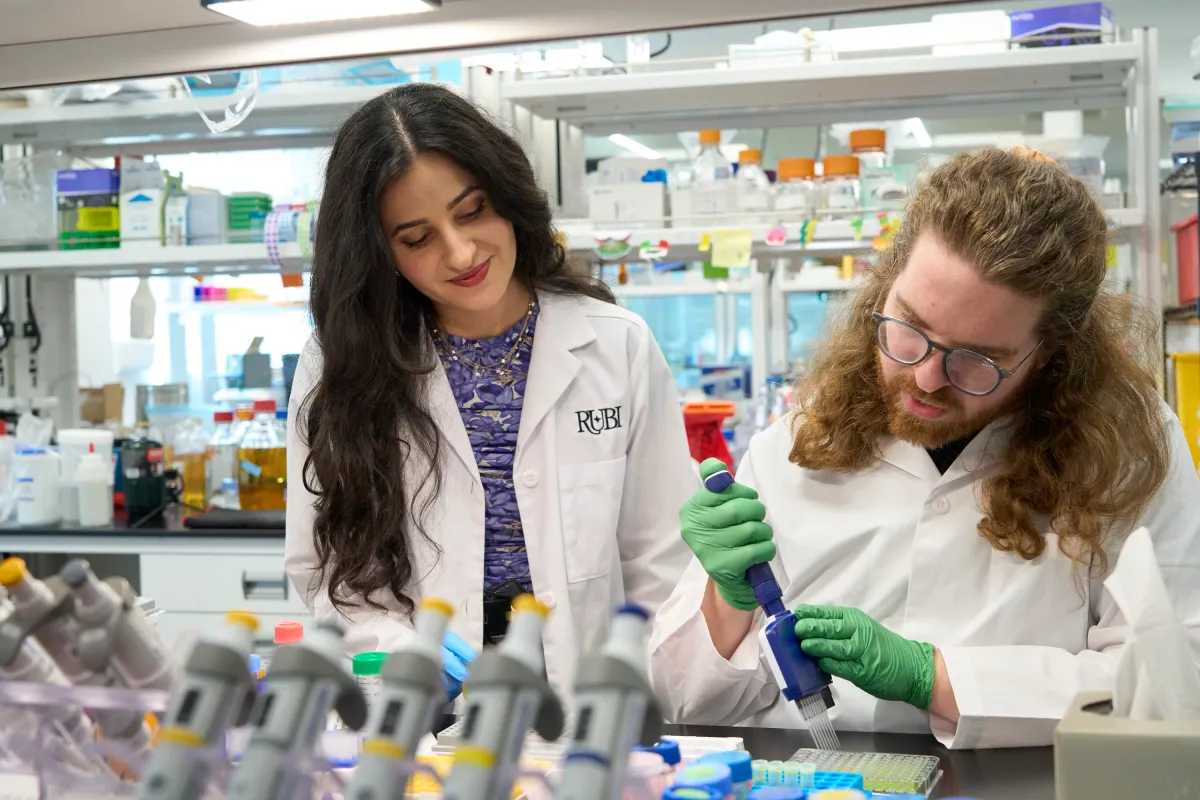
🌐 CONTEXT & BACKGROUND
The fashion industry is currently grappling with a critical waste dilemma that poses not just environmental challenges but also immense financial implications for entrepreneurs. With approximately one garbage truck of textiles discarded every second, there’s an urgent need for innovative solutions to counteract this waste trend. Against this backdrop, unique technologies are paving new pathways towards sustainability, and businesses that embrace them stand to gain significant market leadership.
Historically, the fashion space has contributed more carbon pollution than both international flights and maritime shipping combined. The conventional methods of producing textiles rely heavily on natural resources, leading to long and inefficient supply chains. Before the emergence of transformative technologies like those developed by Rubi, the market was saturated with unsustainable practices that not only harmed the environment but also expected consumers to bear the consequences. The introduction of breakthrough methods to recycle and produce textiles presents an opportunity to radically shift this landscape.
📊 MARKET IMPACT ANALYSIS
The introduction of Rubi’s innovative cellulosic production system marks a pivotal moment in the textile industry. Entrepreneurs focused on sustainability will benefit immensely, establishing themselves as forward-thinking players in a marketplace thirsty for change. Conversely, companies that resist these changes—sticking to outdated practices—may face risks including loss of market share and reputational damage.
This new system is set to disrupt conventional cotton and wood pulp production industries, opening up market space among those seeking alternatives to fossil fuel-based textiles. The ability to transform captured carbon dioxide into usable material not only reduces waste but provides opportunities for significant financial leverage. Industries like fast fashion, outdoor apparel, and home textiles will undoubtedly experience a transformation as they adapt to these sustainable practices.
⚔️ COMPETITIVE COMPARISON
Rubi’s model stands out distinctly when compared to both traditional textile processes and other startups dabbling in carbon capture and fiber production. Traditional methods rely heavily on virgin trees, which means prolonged supply chains and increased environmental degradation. In contrast, Rubi employs an enzyme-based method to create cellulose from CO2, diverging from competitors that utilize engineered bacteria or chemical catalysts. This enzymatic approach, while reminiscent of existing applications in industries like corn syrup production, offers a far more sustainable alternative.
With a focus on machine biology, Rubi optimizes enzyme performance through proprietary tech, enhancing efficacy and stability far beyond what is currently achieved by its competitors. Industry benchmarks highlight Rubi’s advantageous position, particularly with their plans for continuous production systems that provide scalability—a crucial factor in market presence.
🛠️ REAL-WORLD USE CASES & MONETIZATION
Rubi’s technology opens the door to various monetization strategies for startups and solo-preneurs eager to capitalize on sustainable solutions:
- ⚡ **Apparel Production**: Partner with Rubi to produce sustainable clothing lines using their cellulose compounds, appealing to eco-conscious consumers.
- ⚡ **Material Licensing**: Licensing the technology to other fashion brands can create substantial revenue, as companies look for greener alternatives and reduced carbon footprints.
- ⚡ **Educational Workshops**: Hosting seminars or webinars focused on using sustainable materials in fashion will build community engagement while creating additional revenue streams.
📈 DATA & TRENDS
The investment landscape for sustainable textile technologies is rapidly evolving. Recent reports indicate that the global market for sustainable textiles is projected to grow at a CAGR of 12% between now and 2026. Specifically, Rubi’s funding of $7.5 million places it at the forefront of this promising trend, with projected growth indicating substantial market validation for innovative and sustainable solutions.
User adoption of sustainability-focused textile solutions is climbing, significantly driven by a consumer base that is increasingly concerned with ethical sourcing and environmental impacts. This changing landscape signals a unique opportunity for entrepreneurs ready to innovate.
🧠 HUSTLEBOTICS EDITORIAL INSIGHT
Based on our analysis at HustleBotics, the emergence of companies like Rubi not only shifts the fabric of the textile industry but also exemplifies a larger trend of integrating sustainability deeply into business models. Entrepreneurs who recognize this shift early will not only challenge the status quo but also unlock unprecedented opportunities for growth. By innovating in the realm of green technology, companies can cultivate robust market positions and secure a loyal consumer base seeking ethical solutions.
🔮 FUTURE PREDICTIONS
In the next six months, expect increased pilot projects with major clothing brands as Rubi integrates its systems into existing supply chains. With $60 million in non-binding agreements already in place, momentum will escalate, compelling more brands to adopt similar practices.
Looking ahead to two years from now, sustainability in textiles will no longer be optional; it will be a necessity. As more industries adopt Rubi’s model and competitors race for similar technologies, we anticipate a significant shift in procurement strategies that prioritize environmental impact. This marks a potential pivot point for an entire industry—one that could redefine manufacturing standards both in fashion and beyond.
❓ FAQ SECTION (SEO Booster)
What is Rubi’s technology?
Rubi’s innovative technology allows for the efficient production of cellulose from captured carbon dioxide using a proprietary enzymatic approach, presenting a sustainable alternative to traditional textile production methods.
How can startups utilize Rubi’s innovations?
Startups can partner with Rubi to produce sustainable clothing, license the technology for eco-friendly producers, or create educational content to build community engagement around sustainable fashion practices.
Can Rubi’s technology be used in other industries?
Yes, Rubi plans to expand beyond apparel, targeting any industry that utilizes cellulose, thus broadening the potential applications for its innovative production methods.
What are the primary benefits of Rubi’s cellulose production?
Rubi’s cellulose production minimizes reliance on traditional hardwood resources, reduces waste, and creates a more sustainable fashion supply chain by utilizing captured carbon dioxide.
How does this technology compare to traditional textile production?
Unlike traditional methods that depend on virgin trees and lengthy supply chains, Rubi’s approach allows for localized and efficient production processes that are environmentally friendly and scalable.






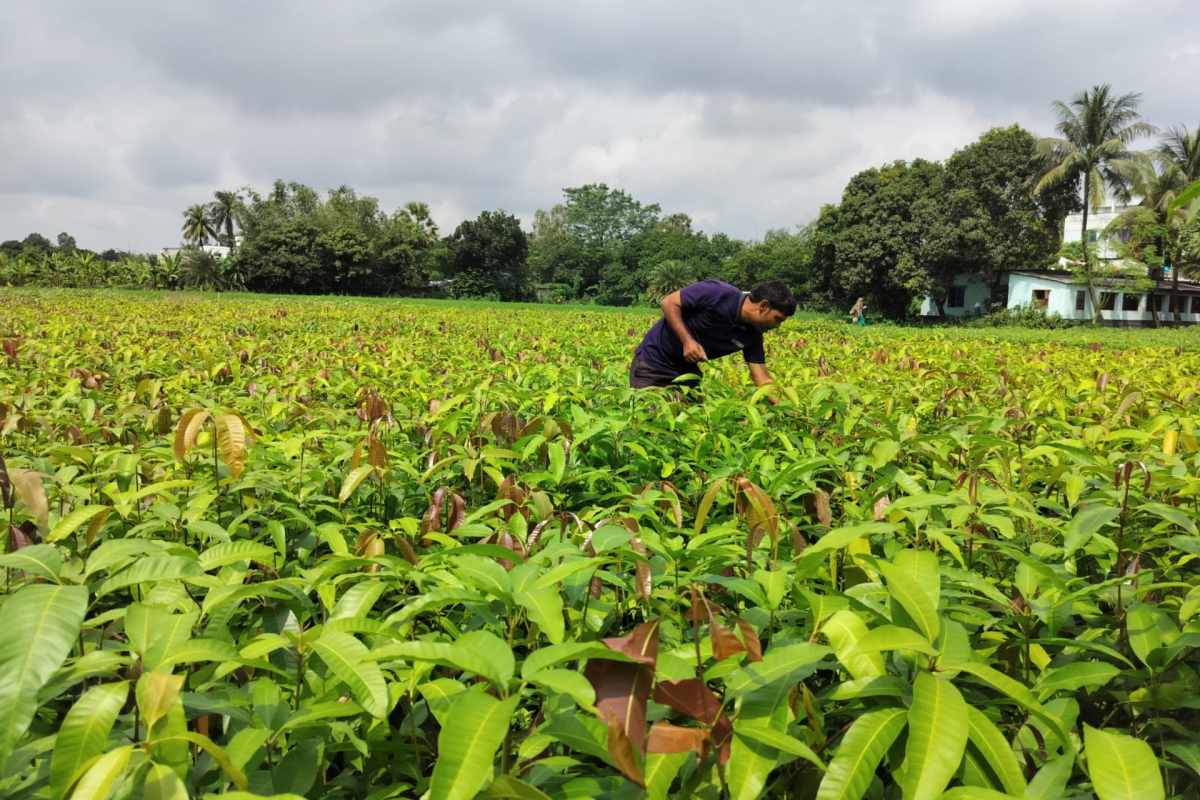
The shift toward sustainable fashion using CO2-to-clothing technology is not just a trend—it’s a necessary evolution given the industry’s massive environmental footprint. It’s fascinating to see how innovations like Rubi’s approach could disrupt traditional supply chains while addressing waste at its source. This kind of forward-thinking solution shows real potential for both entrepreneurs and the planet.