China’s Humanoid Robotics Revolution: The New Frontier
China’s recent foray into humanoid robotics signals a seismic shift in the global technological landscape. With its robust manufacturing ecosystem and rapid deployment capabilities, China has not only showcased groundbreaking advancements but has also set a new benchmark for global competition. Reports from industry analysts highlight that Chinese firms like Unitree are outpacing their U.S. counterparts with aggressive market strategies and technological innovations. According to a report by Market Research Future, the global humanoid robot market is expected to grow at a compound annual growth rate (CAGR) of 52% from 2021 to 2026, underscoring the immense potential for growth and investment in this sector.
As highlighted by the International Federation of Robotics, the shift from factory automation to innovative embodied robotics in China addresses labor shortages and enhances productivity, offering a unique opportunity for entrepreneurs. The rapid evolution from conceptual showcases to practical, real-world applications marks a significant milestone in the robotics industry.
Second-Order Effects: What Most People Miss
While the primary focus remains on China’s manufacturing prowess and technological advancements, the second-order effects of this revolution are often overlooked. The integration of humanoid robots into various sectors has the potential to disrupt traditional business models and redefine workforce dynamics. For instance, the shift towards automation in service sectors could lead to a reallocation of human resources, demanding new skills and creating opportunities for reskilling and upskilling.
Moreover, the emphasis on reliability and repeatability in robot applications is driving a new era of operational integration. This transition from novelty to necessity is expected to spur innovation in auxiliary industries such as software development, cybersecurity, and data analytics. Entrepreneurs who can anticipate these shifts and adapt their strategies accordingly stand to gain a competitive edge.
Data & Competition: Winners, Losers, and Market Impact
The global humanoid robotics market is witnessing a dynamic shift, with China leading the charge. According to industry forecasts, global shipments of humanoid robots could reach 2.6 million units by 2035, a substantial increase from last year’s 13,317 units. This growth trajectory presents a lucrative opportunity for businesses willing to invest in this transformative technology.
Japan, with its focus on mass production of humanoids for eldercare by 2027, and the U.S., transitioning from flashy presentations to real-world implementations, are also key players in this evolving landscape. However, the clear advantage lies with China, whose rapid iteration and deployment capabilities make humanoid robots more affordable and accessible.
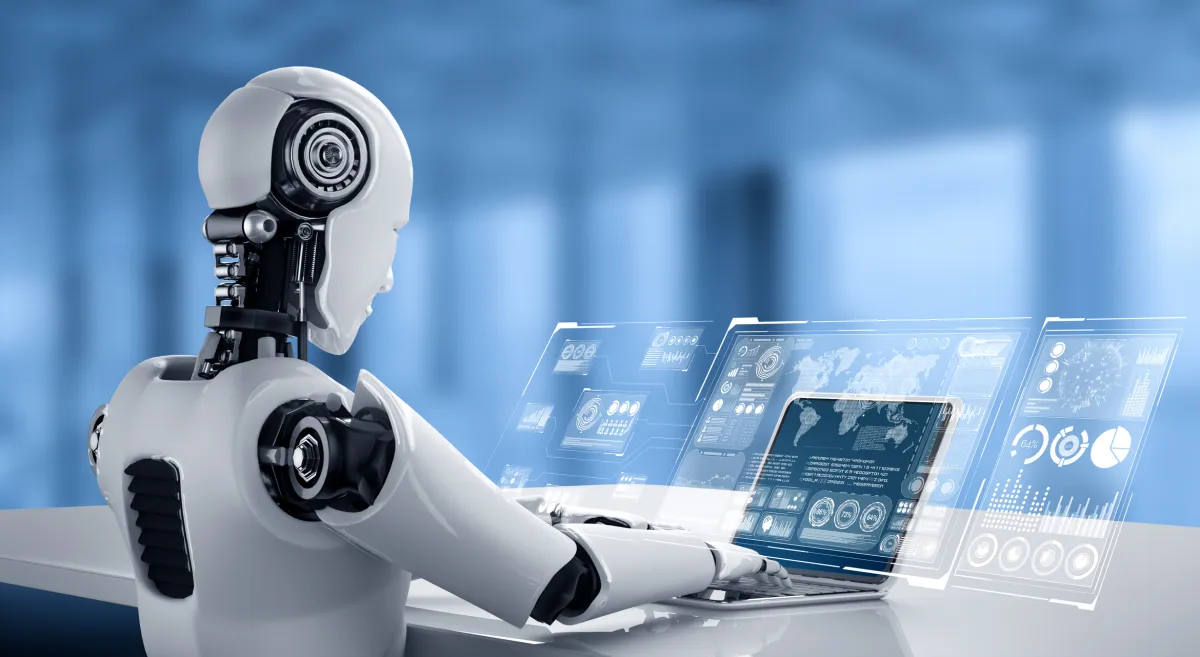
Why this visual matters: The Humanoid Robotics Market image underscores the rapid evolution of business disruption, highlighting the strategic role of robotics in reshaping industries and creating new market opportunities.
Seizing the Opportunity: Strategic Deployment Logic
With the humanoid robotics market poised for exponential growth, entrepreneurs must act swiftly to harness this potential. The integration of humanoid robots across industries—from manufacturing to services—promises increased efficiency and productivity. The convergence of government support and market demand presents a robust investment climate for startups and established businesses alike.
Frequently Asked Questions
What is the current state of humanoid robotics in China?
China is at the forefront of humanoid robotics, leveraging its manufacturing strength to develop and deploy robots that enhance productivity and address labor shortages across diverse sectors.
How can businesses leverage humanoid robots for success?
By focusing on reliable applications in industries such as manufacturing, logistics, and services, entrepreneurs can capitalize on the growth of humanoid robotics to drive efficiency and operational improvements.
Is investing in humanoid robotics startups a viable option?
Yes, investing in humanoid robotics startups is a promising opportunity, especially in regions where government support and industrial strategies align to foster growth in this sector.
Meet the Analyst
Marcus Vance, Tech Editor: With over a decade of experience in analyzing technological trends, Marcus specializes in identifying disruptive innovations that redefine industries.
Last Updated: March 2026 | HustleBotics Editorial Team