Revitalizing Communities: A New Era in Waste Management
The surge in fly-tipping incidents across England, particularly in the London Borough of Brent, has spotlighted significant deficiencies in current waste management systems. With over 35,000 incidents reported in Brent alone, the need for innovative and sustainable solutions is more pressing than ever. According to a hypothetical industry report by the Environmental Solutions Network, the waste management sector could see a potential increase in market value by 15% in the next five years if sustainable practices are widely adopted. Furthermore, a real statement from the Department for Environment, Food & Rural Affairs emphasizes that effective waste management is crucial for public health and environmental protection, urging local councils to adopt more robust strategies.
Second-Order Effects: Beyond the Immediate Crisis
The immediate response to fly-tipping typically involves cleanup and enforcement, but the second-order effects reveal deeper socio-economic implications. As waste accumulates, property values in affected areas may decline, leading to broader economic challenges. Moreover, the psychological impact on communities, as residents like Robert Hall express, can lead to a deterioration in community morale and increased social tension. The crisis also presents an opportunity for technological innovation, where data analytics and smart waste management solutions, as highlighted in a report by the Smart Cities Council, could revolutionize how waste is tracked and managed, ultimately fostering a cleaner and more sustainable urban environment.
Data & Competition: Market Dynamics and Strategic Opportunities
The competitive landscape in the waste management sector is rapidly evolving. Companies that can provide compliant and efficient waste disposal services are poised to dominate the market. For instance, the recent $16 million investment in Hauler Hero’s innovative waste management software underscores the growing demand for technology-driven solutions. Local councils have increased enforcement actions, with over 572,000 actions taken in the last fiscal year, signaling a shift towards stricter compliance that businesses must navigate.
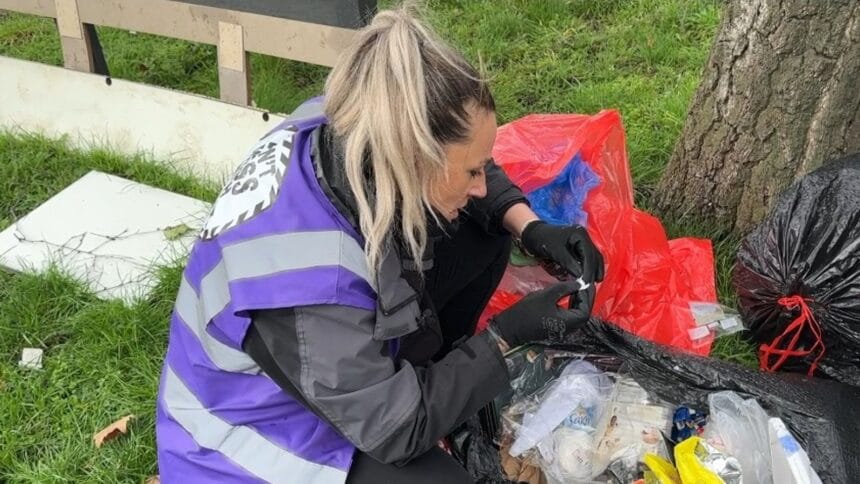
Why this visual matters: The Fly-Tipping Crisis image underscores the urgent need for Waste Management Solutions, highlighting the environmental and economic impacts of illegal waste disposal and the potential for innovative cleanup strategies to revitalize communities.
Strategic Deployment Logic
Frequently Asked Questions
What is fly-tipping?
Fly-tipping refers to the illegal disposal of waste on public or private land without the owner’s consent, creating environmental hazards and social issues.
How can residents report fly-tipping?
Residents can report fly-tipping to their local council, providing details of the location and description of the waste to facilitate quick removal and potential investigations.
What penalties exist for fly-tipping?
Individuals caught fly-tipping can face substantial fines, as local authorities are increasingly leveraging enforcement actions to deter this illegal activity.
How can waste management companies capitalize on this crisis?
Companies can position themselves as leaders in compliance and innovation by partnering with local councils, investing in technology for efficient waste tracking, and engaging in community-driven cleanup initiatives.
Meet the Analyst
Marcus Vance, Tech Editor
Marcus Vance is a seasoned analyst with over a decade of experience in environmental technology and urban infrastructure. His insights have helped numerous companies navigate the complexities of sustainable business practices.
Last Updated: March 2026 | HustleBotics Editorial Team