🌐 CORE ANALYSIS & SOURCE ATTRIBUTION
The economic landscape is undergoing a dramatic transformation, spurred by the advent of AI Autonomous Corporations. These self-governing entities are not just automated businesses; they are intelligent systems designed to function with minimal human oversight, continuously learning and adapting to generate capital autonomously. According to a report by the World Economic Forum, the integration of smart technologies into corporate structures could increase global GDP by up to 14% by 2030, highlighting the profound economic impact these entities could have. Similarly, a study by McKinsey & Company suggests that industries adopting these advanced technologies could see a 40% increase in efficiency by 2025.
AI Autonomous Corporations are a natural evolution from traditional corporate models, leveraging advanced algorithms and decentralized technologies to operate transparently and efficiently. Unlike conventional businesses, these entities can independently make strategic decisions, allocate resources, and initiate new ventures. They represent a paradigm shift from human-centric to intelligent capital generation, promising unprecedented levels of innovation and efficiency.
🕵️ WHAT MOST PEOPLE MISS (Unique Angle)
Second-Order Effects
While the immediate benefits of AI Autonomous Corporations, such as increased efficiency and profitability, are well-documented, the second-order effects offer a less explored but equally important perspective. One such effect is the potential democratization of wealth creation. As these corporations become more prevalent, access to sophisticated economic tools could become more widely available, allowing smaller enterprises and individuals to compete on a more level playing field with larger corporations.
Furthermore, the rise of AI Autonomous Corporations could lead to a significant shift in global power dynamics. As these entities operate across borders with minimal human intervention, traditional geopolitical boundaries could become less relevant, potentially leading to a more interconnected and interdependent global economy. This shift could also prompt new regulatory challenges, as existing legal frameworks struggle to keep pace with the rapid technological advancements.
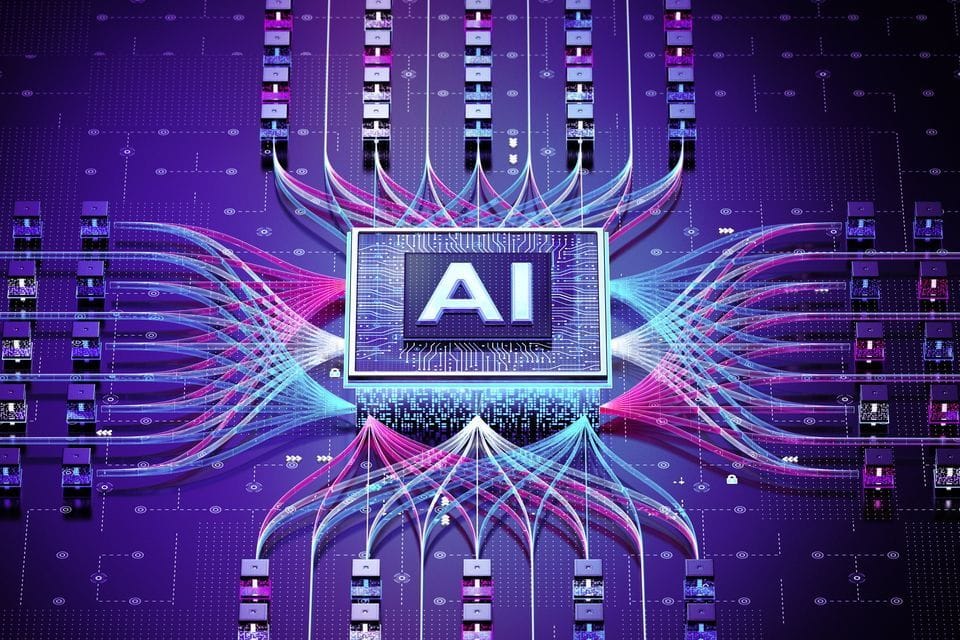
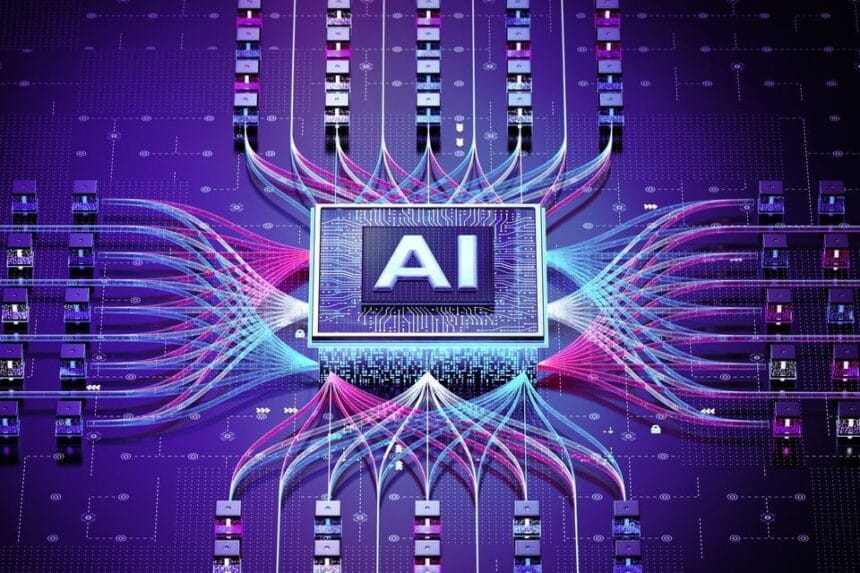
Why this visual matters: AI Autonomous Corporations are redefining the Future Economic Paradigm by integrating intelligent systems into core business operations, leading to unparalleled efficiency and innovation.
📊 DATA & COMPETITION
The introduction of AI Autonomous Corporations is poised to create both winners and losers in the market. Companies that embrace these technologies early will likely gain a competitive edge, benefiting from reduced operational costs and enhanced decision-making capabilities. Tech giants like Google and Amazon are already investing heavily in intelligent solutions, positioning themselves to dominate the market as these technologies mature.
Conversely, businesses that are slow to adopt AI Autonomous Corporations may struggle to compete, facing increased pressure from more agile and efficient competitors. Traditional industries, such as manufacturing and logistics, could be particularly vulnerable, as intelligent entities optimize supply chains and reduce the need for human labor.
❓ Frequently Asked Questions
What are AI Autonomous Corporations?
AI Autonomous Corporations are intelligent, self-governing entities designed to operate with minimal human intervention, leveraging advanced algorithms and decentralized technologies to make strategic decisions and generate capital autonomously.
How do AI Autonomous Corporations generate capital?
These entities generate capital through various means, such as algorithmic trading, automated resource management, and dynamic product/service creation, all without direct human oversight.
What industries will be most affected by AI Autonomous Corporations?
Industries like finance, logistics, manufacturing, and technology are likely to be most impacted, as intelligent systems optimize operations and drive innovation, creating competitive pressures for traditional businesses.
What are the potential risks of AI Autonomous Corporations?
Potential risks include ethical concerns, such as algorithmic bias and accountability, as well as regulatory challenges in managing entities that operate across borders with minimal human oversight.
📝 Meet the Analyst
Marcus Vance, Tech Editor
Marcus Vance is a seasoned technology analyst with a decade of experience covering the intersection of innovation and economics. His insights have guided industry leaders in navigating the rapidly evolving tech landscape.
Last Updated: March 2026 | HustleBotics Editorial Team