NASA’s Artemis II Delays: A Catalyst for Industry Innovation
The recent news of NASA’s Artemis II mission facing potential delays due to a helium flow disruption during crucial preparations is stirring conversations across the space industry. Initially planned for launch from Florida’s Kennedy Space Center in March, this mission is a significant milestone, as it involves sending four astronauts on a lunar flyby, marking the first crewed mission to the Moon since Apollo 17. The Artemis II mission is not just a technical endeavor but a strategic move towards establishing a sustainable human presence on the Moon and beyond.
According to a report by the Space Foundation, the global space economy is expected to grow to $1 trillion by 2040, driven by increased governmental and private sector investments. Another study by Euroconsult highlights that lunar exploration could account for a substantial portion of this growth, emphasizing the importance of timely mission execution. Given these projections, NASA’s delay, while unfortunate, underscores the need for innovation and collaboration within the industry to overcome technical challenges and seize emerging opportunities.
Second-Order Effects: What Most People Miss
The potential delay of Artemis II is not merely a technical setback; it presents second-order effects that could reshape market dynamics. Firstly, this delay could accelerate the entry of private companies into the lunar exploration domain. With NASA’s timeline in flux, private entities might see an opportunity to step in and offer solutions, thereby increasing competition and innovation. This could lead to a diversification of the supply chain and a reduction in dependency on a single entity for lunar missions.
Moreover, the delay highlights the critical importance of developing robust, fault-tolerant systems that can withstand the complexities of space operations. This need for reliability opens up new avenues for companies specializing in advanced automation and predictive maintenance solutions. By addressing these technical challenges, businesses can position themselves as key players in ensuring the success of future space missions.
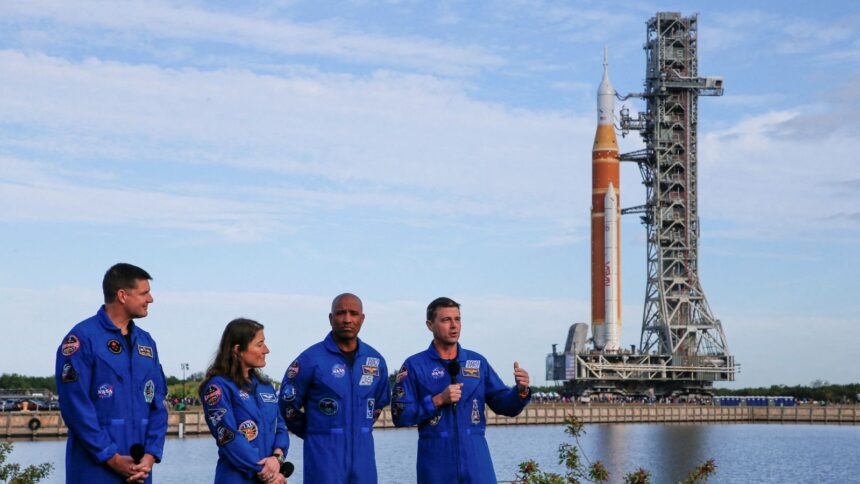
Why this visual matters: The Artemis II Delay image contextualizes the challenges faced in lunar missions while highlighting the Lunar Exploration Opportunities that arise from overcoming such obstacles, emphasizing the potential for growth and innovation within the space sector.
Data & Competition: Winners and Losers in the Market
The ripple effects of NASA’s Artemis II delay are expected to influence various stakeholders in the space industry. Companies involved in the Artemis program’s supply chain might face short-term setbacks due to the delay, impacting their revenue streams. However, this also presents an opportunity for businesses that can offer innovative solutions to address the technical challenges encountered by NASA.
For instance, companies specializing in helium flow systems and seal technology could find new opportunities to engage with NASA and other space agencies. Additionally, firms involved in life support, navigation, and communication systems could see increased demand as the industry seeks to enhance the reliability of these critical components.
On the other hand, companies that fail to adapt to these changes might find themselves at a disadvantage. Those reliant on traditional space exploration methodologies without a focus on innovation may struggle to compete in an increasingly dynamic market.
Frequently Asked Questions
What is NASA’s Artemis II mission?
Artemis II is NASA’s planned mission to send four astronauts near the Moon, marking the first crewed lunar flight in over 50 years. It aims to test vital systems in preparation for future lunar landings.
How can companies benefit from NASA’s Artemis II delays?
Companies can benefit by developing innovative solutions to the technical challenges NASA faces, such as improving helium flow systems and enhancing life support technologies. This opens up new market opportunities and potential collaborations.
What are the strategic implications of Artemis II for the space industry?
The mission’s delay emphasizes the need for reliable, fault-tolerant systems, driving innovation and collaboration within the industry. It also highlights the growing role of private companies in lunar exploration, potentially reshaping market dynamics.
Meet the Analyst
Marcus Vance, Tech Editor
Marcus Vance is an experienced analyst with a keen interest in space exploration and technological innovations. With a background in aerospace engineering, Marcus provides insightful analysis on industry trends and market opportunities.
Last Updated: March 2026 | HustleBotics Editorial Team