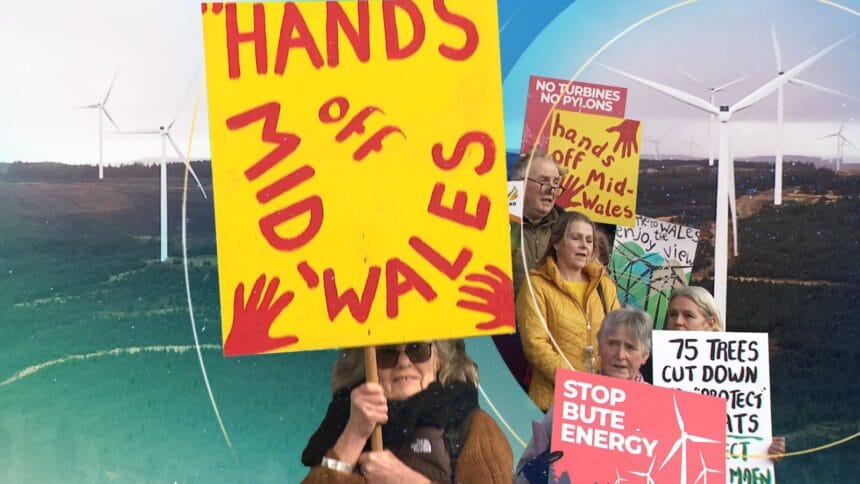
Core Analysis: Navigating the Wind Energy Controversy
The debate over onshore wind energy in Wales illustrates a broader tension between governmental ambition and local resistance. With the Welsh government committed to ambitious clean energy targets, the need to construct hundreds of new wind turbines has become a focal point for both advocates and detractors. According to a recent report from RenewableUK, the onshore wind sector could provide up to 48% of the UK’s electricity by 2030, a statistic that underscores the potential scale of investment and development in this area.
However, the reality on the ground is more complex. Local opposition, often driven by environmental concerns and a desire to preserve scenic landscapes, presents a formidable barrier. A study conducted by the University of Cardiff highlights that while nearly 80% of Welsh citizens support wind turbines, localized resistance remains strong, particularly against specific projects like the Nant Mithil energy park. This dichotomy creates a unique environment for businesses looking to navigate the complexities of public sentiment while pursuing lucrative opportunities in renewable energy.
Failing to engage with community concerns could yield substantial disadvantages for stakeholders. According to a market analysis by the Energy and Climate Intelligence Unit, neglecting public opinion can lead to project delays, increased costs, and potential reputational damage, all of which can hinder a company’s competitive edge in a rapidly evolving market.
Second-Order Effects
The implications of the ongoing wind energy debate extend far beyond immediate project outcomes. Understanding the second-order effects—those indirect consequences that arise from initial actions—can offer deeper insights into the landscape of energy production and community relations.
Firstly, the growing polarization surrounding onshore wind projects may lead to a more significant backlash against renewable energy initiatives as a whole. If public sentiment swings heavily against projects like Nant Mithil, it could embolden anti-renewable factions, potentially stalling not only onshore wind but also other renewable energy ventures. The sentiment encapsulated in the “Not In My Backyard” (NIMBY) attitude could evolve into a wider rejection of renewable projects, complicating the clean energy transition.
Secondly, the backlash against wind farms could drive innovation in alternative energy solutions. As communities resist large-scale onshore developments, there could be increased investment in decentralized energy solutions, such as community-driven solar projects or offshore wind initiatives. A report from the International Renewable Energy Agency (IRENA) suggests that decentralization could enhance energy security and resilience, particularly in rural areas, offering a more palatable alternative to large wind farms.
Lastly, the regulatory landscape itself may shift in response to public opinion. As politicians respond to the concerns of their constituents, we could see the introduction of more stringent regulations governing wind farm developments. This could lead to increased costs and longer timelines for project approval, significantly impacting the financial viability of wind energy investments.
Data & Competition
The dynamics of the wind energy market in Wales present a clear picture of winners and losers amidst ongoing regulatory changes. Stakeholders who can successfully engage with community concerns and demonstrate the tangible benefits of wind energy projects are poised to gain a competitive advantage.
On one hand, companies that adopt a proactive approach to community engagement and transparency stand to benefit significantly. For instance, trade associations have highlighted that hosting wind farms can generate annual community benefits exceeding £6 million, a figure that could be leveraged in marketing efforts to gain local support. Additionally, the potential for job creation and economic revitalization in rural areas positions these companies as vital contributors to local economies, further solidifying their standing within the community.
Conversely, companies that overlook the importance of public sentiment risk losing out on lucrative opportunities. As demonstrated by the legacy of the Hendy wind farm and its “ghost turbines,” failure to address local concerns can foster distrust and opposition, leading to project cancellations and financial losses. The stark contrast between governmental ambitions and local resistance serves as a cautionary tale for businesses operating in this space.
Why this visual matters: This image encapsulates the challenges and opportunities in disrupting energy markets, specifically highlighting the impact of wind farm regulations. By understanding these dynamics, stakeholders can better position themselves to navigate the complexities of renewable energy initiatives.
As the upcoming Welsh elections loom, the ability of the ruling party to maintain public support for their net-zero goals will be crucial. Companies that align their strategies with governmental targets while also addressing local concerns are likely to emerge as leaders in the sector.
Frequently Asked Questions
What are the main arguments for and against onshore wind energy in Wales?
Proponents argue that onshore wind is essential for meeting clean energy targets and reducing reliance on fossil fuels. Opponents, however, cite environmental concerns and the impact on local landscapes as reasons to resist new developments.
How can companies effectively engage with local communities regarding wind energy projects?
Companies can engage communities by conducting market research to identify concerns, hosting public forums, and establishing community benefit funds to ensure local residents see tangible advantages from projects.
What are the potential economic impacts of increased onshore wind energy development in Wales?
Increased onshore wind development could lead to substantial economic benefits, including job creation, community funding, and localized investment, particularly in rural areas that have faced economic stagnation.
How might upcoming elections affect wind energy projects in Wales?
The outcome of upcoming elections could significantly influence the regulatory landscape for wind energy, as politicians respond to public sentiment and the concerns of their constituents regarding renewable projects.
Meet the Analyst
Marcus Vance, Energy Sector Analyst – With over a decade of experience in energy policy and market analysis, Marcus specializes in the intersection of renewable energy and community engagement strategies. His insights help stakeholders navigate the complexities of the evolving energy landscape.
Last Updated: March 2026 | HustleBotics Editorial Team