
Market Shifts in Character Simulation Systems
The emergence of character simulation systems marks a significant shift in how users engage with digital environments. As platforms strive to create more immersive experiences, we see a trend towards incorporating dynamic character interactions that mimic real-life conversations. This evolution is not just a technological advancement but a strategic pivot aimed at enhancing user engagement and satisfaction.
According to a recent report by Market Research Future, the global market for conversational agents is expected to reach $15 billion by 2025, growing at a CAGR of 34%. This growth is fueled by the increasing demand for personalized user experiences and the integration of advanced technologies in various sectors, including gaming, education, and customer service. The report highlights that businesses that adopt character simulation systems early will likely gain a competitive edge, as they can offer tailored experiences that resonate with users.
Furthermore, a statement from the International Journal of Human-Computer Interaction emphasizes the psychological benefits of engaging with digital characters. The study indicates that users who interact with well-designed character simulations report higher levels of satisfaction and emotional connection, which can lead to increased loyalty and retention. This data reinforces the idea that character simulation systems are not just a passing trend but a foundational element of future digital interaction strategies.
Second-Order Effects
While the immediate benefits of character simulation systems are clear—enhanced engagement and user satisfaction—the second-order effects are equally significant and warrant deeper exploration. One of the most intriguing implications is the potential shift in user expectations. As users become accustomed to seamless and engaging interactions with digital characters, their expectations for other digital experiences will inevitably rise. This shift could compel businesses across various sectors to innovate and enhance their user interfaces, leading to a more competitive landscape.
Moreover, character simulation systems may drive changes in workforce dynamics. As companies increasingly rely on these systems for customer interactions, the role of human agents may evolve. For instance, customer service representatives might transition from handling routine inquiries to focusing on complex problem-solving, as the simulation systems take over basic interactions. This transition could lead to a demand for new skill sets among employees, emphasizing the need for training and development programs that align with these changes.
Additionally, the ethical considerations surrounding character simulation systems cannot be overlooked. As these technologies become more sophisticated, questions about authenticity and manipulation will arise. Users may find it challenging to distinguish between genuine interactions and those facilitated by simulations, raising concerns about trust and transparency. Companies will need to navigate these ethical dilemmas carefully, ensuring that they maintain user trust while leveraging these advanced technologies.
Data & Competition
In the rapidly evolving landscape of character simulation systems, identifying the winners and losers is crucial for understanding market dynamics. Leading companies such as Chatbot.com and Replika have already established themselves as frontrunners in this sector, leveraging advanced character simulation technologies to create engaging user experiences. Their success can be attributed to their focus on user-centric design and continuous iteration based on user feedback.
Conversely, companies that fail to adapt to this market shift risk being left behind. Traditional customer service platforms that rely on static, scripted interactions may struggle to compete as users increasingly gravitate towards more interactive and personalized experiences. The gap between innovative companies and those that resist change is likely to widen, leading to a more polarized market landscape.
Furthermore, partnerships will play a critical role in shaping the future of character simulation systems. Companies that collaborate with educational institutions, gaming platforms, and content creators can leverage their unique expertise to enhance their offerings. For instance, integrating character simulations into educational tools can facilitate more engaging learning experiences, while partnerships with gaming studios can create immersive narratives that captivate users.
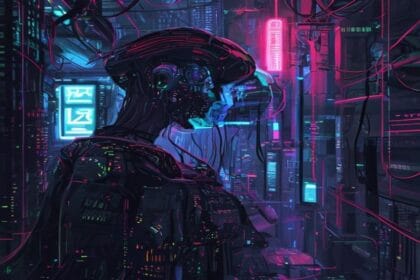
Why this visual matters: The visual representation of character simulation systems showcases the evolving landscape of digital interactions. By highlighting the trends in user engagement and storytelling, it emphasizes the significance of adopting innovative technologies in enhancing user experiences.
Frequently Asked Questions
What are character simulation systems?
Character simulation systems are advanced technologies that enable users to engage in dynamic conversations with digital characters, each possessing unique traits and perspectives. These systems are designed to create immersive and interactive experiences across various platforms.
How do character simulation systems impact user engagement?
These systems enhance user engagement by providing personalized interactions that mimic real-life conversations. Users often report higher levels of satisfaction and emotional connection when interacting with well-designed character simulations, leading to increased loyalty and retention.
What are the potential ethical concerns surrounding these systems?
As character simulation technologies evolve, ethical concerns may arise regarding authenticity and manipulation. Users may struggle to differentiate between genuine interactions and those facilitated by simulations, raising questions about trust and transparency in digital communications.
How can businesses leverage character simulation systems?
Businesses can leverage character simulation systems by integrating them into customer service, education, and entertainment platforms. By offering tailored experiences and fostering emotional connections, companies can enhance user satisfaction and drive engagement.
Meet the Analyst
Marcus Vance, Tech Editor – A seasoned technology analyst with over a decade of experience in evaluating emerging trends in digital interactions. Marcus specializes in exploring the intersection of technology and user experience, providing insights that drive innovation.
Last Updated: March 2026 | HustleBotics Editorial Team