Understanding the AI Exodus and Its Implications
The landscape of technology is undergoing a seismic shift, particularly within the realm of artificial intelligence. An unprecedented wave of resignations among AI professionals has emerged, reflecting a growing discontent with the ethical implications of their work and the rapid pace of change in the industry. This mass exit is not merely a collection of individual decisions but rather a signal of a broader transformation within the tech sector. Reports from various industry analysts indicate that this trend could lead to significant disruptions in business models and workforce dynamics.
According to a report from the Technology Policy Institute, the resignation of key AI researchers is indicative of an urgent need for companies to reassess their ethical frameworks and operational strategies. The report highlights that organizations that fail to adapt to these changes risk losing not only talent but also their competitive edge in an increasingly complex market. Similarly, a study from the Brookings Institution emphasizes the importance of ethical considerations in technology development, arguing that businesses must prioritize transparency and accountability to retain top talent and foster innovation.
The Resignations: A Reflection of Growing Concerns
Recent resignations from notable figures in the AI sector have brought to light critical issues surrounding the technology’s rapid advancement. For instance, Mrinank Sharma’s departure from Anthropic underscores the existential threats posed by interconnected crises, including the potential misuse of AI technology. His public resignation serves as a cautionary tale for organizations that may be prioritizing speed over ethical considerations.
Similarly, Zoe Hitzig’s resignation from OpenAI, fueled by concerns over data security and the commercialization of AI, illustrates the ethical dilemmas that many professionals are grappling with. The backlash against the Grok chatbot developed by xAI further exemplifies the potential fallout from rapid technological advancements without adequate oversight.
Patterns and Predictions: The Illusion of a Mass Exodus
While the media may characterize these resignations as a “wave,” a closer examination reveals a more nuanced picture. Dr. Henry Shevlin from the Leverhulme Centre for the Future of Intelligence suggests that the current visibility of AI resignations may create the illusion of a mass exodus. He notes that walkouts from tech companies are not unprecedented; however, the ethical implications of AI are prompting a reevaluation among professionals regarding their future in the field.
This situation presents a paradox: while some may view the departures as a signal of instability, others interpret them as an opportunity for companies to reassess their missions and align them with societal values. As the industry grapples with these challenges, the potential for innovation lies in the ability to integrate ethical considerations into technology development.
Second-Order Effects: The Ripple Beyond Resignations
While the immediate effects of the AI exodus are evident, the second-order consequences could be even more profound. As industry leaders resign, they may become vocal advocates for ethical practices in technology development, influencing public opinion and regulatory frameworks. This could lead to increased scrutiny of AI technologies, pushing companies to adopt more transparent practices and prioritize ethical considerations.
Furthermore, the departure of experienced professionals may create a talent vacuum, compelling organizations to invest in training and upskilling existing employees or seeking talent from non-traditional backgrounds. This shift could democratize access to AI-related roles, fostering a more diverse workforce and driving innovation in unexpected ways.
Additionally, as companies face heightened scrutiny, they may be compelled to collaborate more closely with regulatory bodies and civil society organizations to establish ethical guidelines for AI usage. This could result in the development of new industry standards that prioritize accountability, transparency, and user safety, ultimately benefiting both consumers and businesses alike.
Data & Competition: Winners and Losers in the AI Landscape
The ongoing resignations within the AI sector are reshaping the competitive landscape, creating both winners and losers. Companies that proactively address ethical concerns and prioritize transparency are likely to emerge as leaders in the industry. For instance, organizations like OpenAI and Anthropic, which have committed to ethical practices, may find themselves better positioned to attract and retain talent in an increasingly competitive market.
Conversely, companies that fail to adapt to the changing landscape risk alienating both employees and consumers. A recent survey conducted by McKinsey & Company found that nearly 75% of employees in tech roles would consider leaving their jobs if they felt their organization’s ethical practices were lacking. This statistic underscores the urgency for companies to prioritize ethical considerations in their operations.
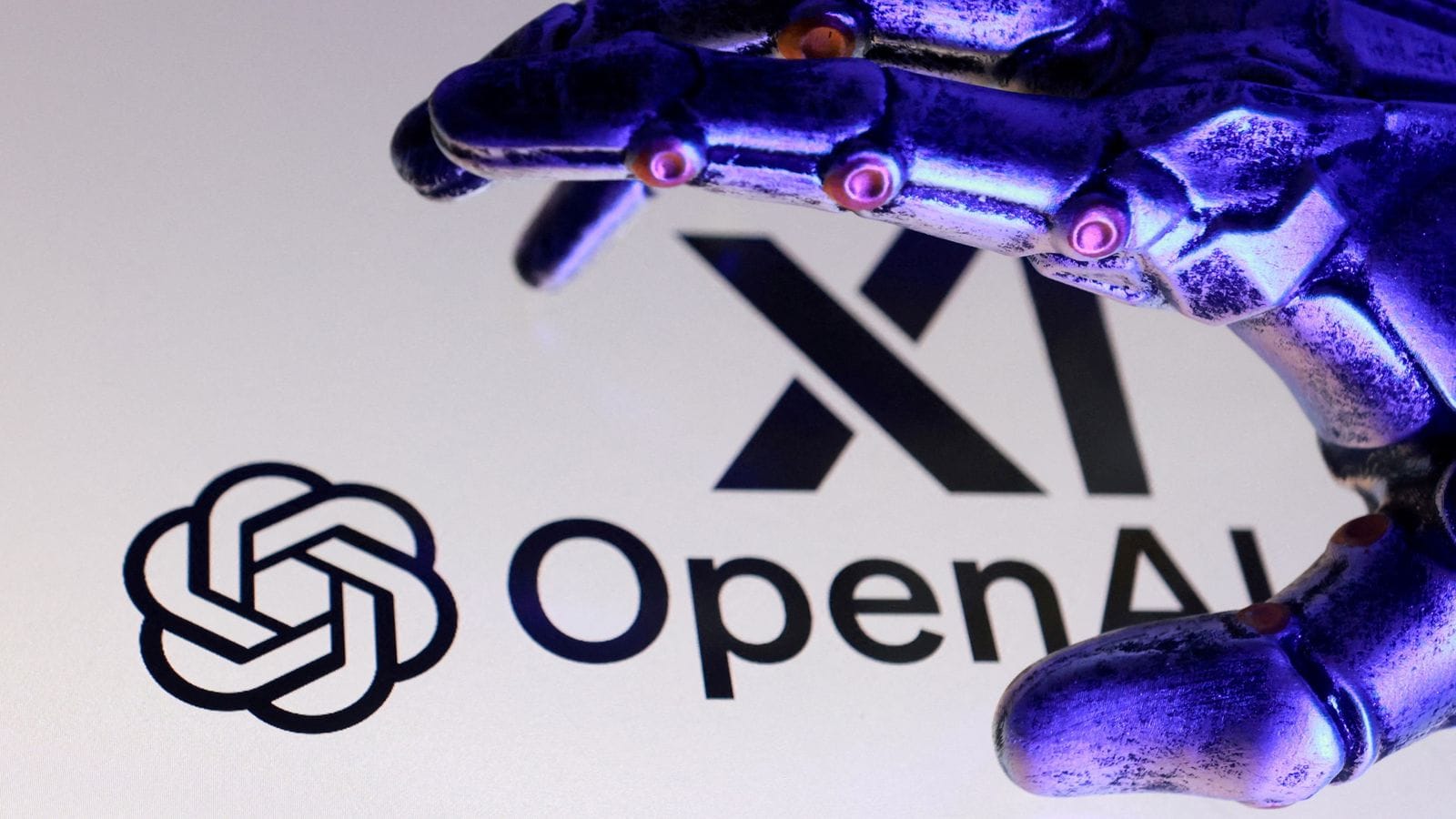
Why this visual matters: The image encapsulates the ongoing AI job exodus and the ethical dilemmas surrounding technology development. Understanding the implications of this trend is crucial for navigating the evolving landscape of AI and its impact on workforce dynamics.
Strategic Insights for Organizations
In light of the current landscape, organizations must take proactive steps to retain talent and foster a culture of ethical innovation. Key strategies include:
- Transparency: Ensure clarity in how user data is managed and processed.
- Ethical Oversight: Implement guidelines for ethical AI use across platforms.
- Employee Engagement: Create channels for employees to discuss concerns without fear of repercussions.
By adopting these strategies, organizations can position themselves as leaders in the ethical tech movement and mitigate the risks associated with talent attrition.
Frequently Asked Questions
Why are AI researchers resigning now?
Many are expressing concerns about the ethical implications of their work, reflecting anxieties over job security and the future impact of AI technology.
How can companies retain AI talent in this shifting landscape?
Organizations must focus on ethical transparency, encourage open dialogues about employee concerns, and align their missions with societal values to retain top talent.
Are these resignations a trend or a one-time occurrence?
The frequency of resignations is likely to increase as public scrutiny of AI intensifies and ethical questions remain unanswered, suggesting a trend rather than an isolated incident.
What are the implications of the AI job exodus for the industry?
The AI job exodus signals potential risks and opportunities within the tech landscape that can impact innovation, equity, and job security.
Meet the Analyst
Marcus Vance, Tech Editor – A seasoned technology journalist with over a decade of experience covering the intersection of ethics and innovation in the tech industry. His insights focus on the implications of technological advancements on society and the workforce.
Last Updated: March 2026 | HustleBotics Editorial Team