Core Analysis & Source Attribution
The recent advancements in fashion technology, particularly through the lens of Alta, are not merely a trend; they are indicative of a fundamental market shift. Jenny Wang, the founder of Alta, has successfully attracted $11 million in funding, a testament to the growing investor interest in tech-driven fashion solutions. This investment, led by Menlo Ventures and supported by notable figures in the fashion industry, highlights the increasing recognition of digital styling tools as viable business models.
According to a report from McKinsey & Company, the global fashion industry is projected to reach $3 trillion by 2030, driven largely by digital innovations that enhance consumer experiences. With over 100 million outfit combinations generated since its launch, Alta is at the forefront of this digital transformation. As Wang notes, the app allows users to curate their digital closets and try on outfits with personalized avatars, echoing the nostalgic styling of “Clueless” but with modern technological capabilities.
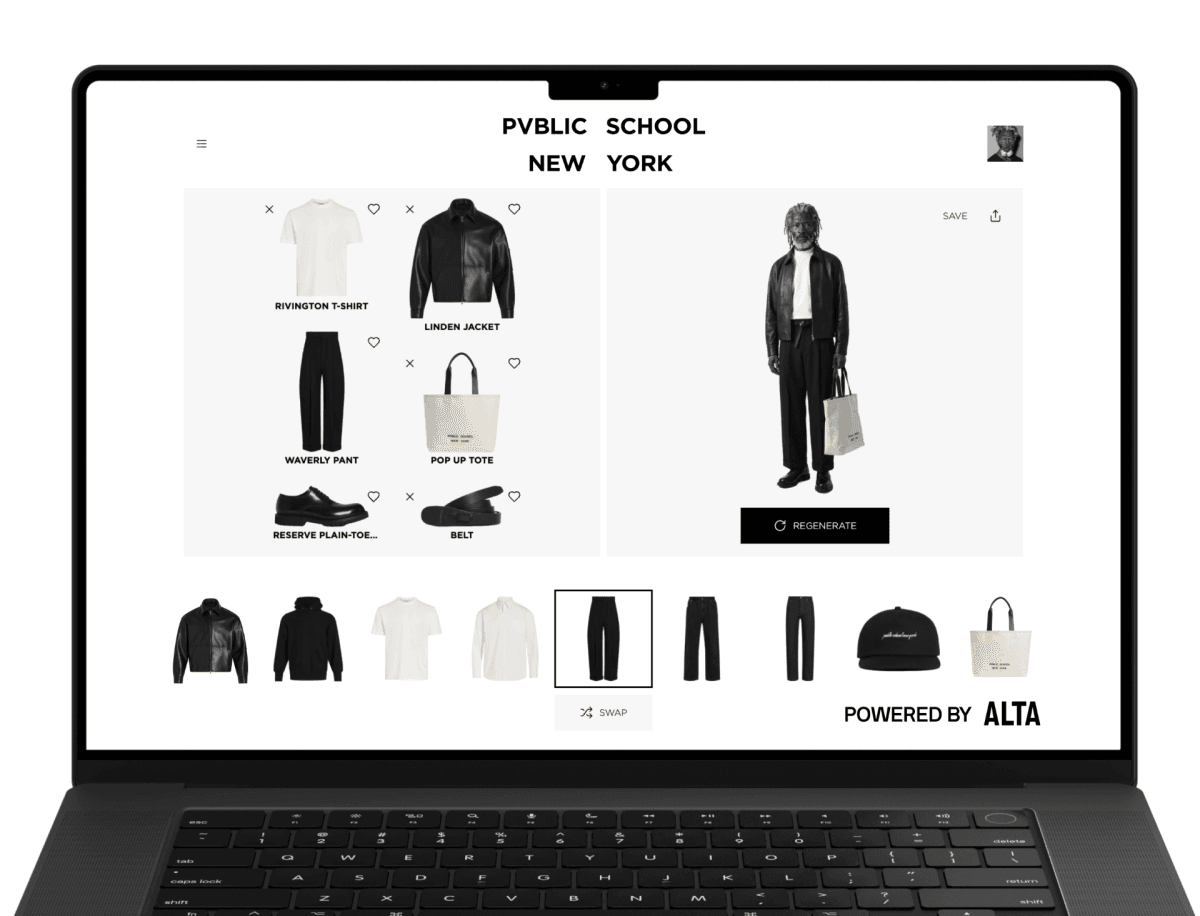
Moreover, the collaboration with Public School marks a pivotal moment in how fashion brands engage with consumers. The ability for users to style looks directly on brand websites through their Alta avatars demonstrates a unique integration of digital and physical shopping experiences. Such partnerships are likely to become more prevalent, as brands recognize the need to adapt to the evolving consumer landscape.
A recent report from Deloitte emphasizes that personalized shopping experiences are becoming increasingly critical for customer retention in the fashion sector. The integration of avatar styling and virtual try-ons provides a compelling case for how brands can leverage technology to deepen consumer connections and enhance the shopping journey.
What Most People Miss (Second-Order Effects)
While many industry observers may focus on the immediate advantages of utilizing digital avatars for fashion styling, the second-order effects of this trend are equally noteworthy. The rise of platforms like Alta could lead to a significant redefinition of consumer-brand relationships.
Firstly, as consumers become accustomed to personalized digital experiences, their expectations for traditional shopping methods will evolve. Brands that fail to integrate such technologies may find themselves at a competitive disadvantage. The shift towards virtual try-ons and digital styling is not just a passing fad; it represents a more profound change in consumer behavior, where convenience and personalization take precedence.
Secondly, the data collected through these digital interactions will empower brands to better understand their customers. Wang emphasizes the importance of a robust data layer to comprehend shopper preferences, which can lead to more targeted marketing strategies and product offerings. This data-driven approach will likely become a cornerstone of successful fashion brands, allowing them to anticipate trends and respond to consumer demands more effectively.
Lastly, the democratization of fashion through digital styling tools has the potential to disrupt traditional fashion hierarchies. As consumers gain more control over their styling choices and access to a wider range of brands, the power dynamics within the fashion industry may shift. This could lead to an increase in niche brands gaining traction alongside established names, further diversifying the market landscape.
Data & Competition
The competitive landscape for digital styling tools is rapidly evolving, with both established fashion brands and startups vying for market share. On one hand, major players like Zara and Balmain have begun to explore digital avatars, but they often lag in speed and user experience compared to emerging platforms like Alta.
For instance, while Zara offers limited options for virtual try-ons, Alta’s ability to allow users to dress their avatars in over eight items within moments sets it apart. This speed and efficiency can significantly enhance user engagement, making Alta a formidable competitor in the digital fashion space.
The partnership with Public School exemplifies how collaboration can yield substantial benefits for both parties. By integrating Alta’s technology into their offerings, Public School can attract a tech-savvy customer base while enhancing the shopping experience for their existing clientele. Such collaborations are likely to become a key strategy for brands looking to leverage technology in their marketing efforts.
In contrast, brands that resist digital transformation may struggle to maintain relevance. The demand for personalized digital experiences is on the rise, and companies that fail to adapt may risk losing market share to more innovative competitors. As highlighted in a recent report by Bain & Company, brands that invest in digital experiences are expected to see significant growth in customer loyalty and sales.
Why this visual matters: This image encapsulates the essence of digital fashion transformation through avatar styling tools, showcasing the innovative approach that brands like Alta are taking to enhance consumer engagement and shopping experiences.
Core Execution Protocol (Conversion Block)
Frequently Asked Questions
What is Alta and how does it work?
Alta is a digital styling tool that allows users to curate their digital closets and try on outfits using personalized avatars. The app integrates with various fashion brands, enabling users to visualize how clothing would fit before making a purchase.
How does the partnership with Public School benefit both brands?
The partnership allows Public School to leverage Alta’s technology to enhance the shopping experience for its customers while also attracting a tech-savvy audience. This integration positions both brands as innovators in the fashion industry.
What are the implications of digital styling tools for the fashion industry?
Digital styling tools signify a shift in consumer expectations towards personalized experiences. Brands that fail to adapt may lose market share to more innovative competitors. Additionally, the data collected through these tools can help brands better understand consumer preferences and trends.
How can brands leverage technology to improve customer engagement?
Brands can leverage technology by integrating personalized styling tools into their e-commerce platforms, allowing consumers to have a more interactive and engaging shopping experience. This approach can lead to increased customer loyalty and higher sales.
Meet the Analyst
Marcus Vance, Tech Editor, is a seasoned analyst specializing in the intersection of technology and fashion. With over a decade of experience in the industry, he provides insights into emerging trends and innovative solutions shaping the future of commerce.
Last Updated: March 2026 | HustleBotics Editorial Team