Core Analysis of Nasty Gal’s Journey
Sophia Amoruso’s narrative is emblematic of the rollercoaster ride that many entrepreneurs face. From its humble beginnings in a spare bedroom to becoming a fast-fashion behemoth, Nasty Gal recorded over $100 million in annual revenue at its peak, employing more than 200 staff. However, the company’s trajectory was not without its challenges. In a recent episode of “The Burnouts” podcast, Amoruso shared five pivotal lessons that she learned throughout her entrepreneurial journey, which can serve as a guiding framework for aspiring founders.
A report from Forbes on the startup landscape highlights that many entrepreneurs often fall into the trap of chasing rapid growth without a solid foundation. This aligns with Amoruso’s experiences, particularly her caution regarding the pressure to achieve high valuations. Similarly, a study by Boston Consulting Group emphasizes the importance of sustainable growth over inflated metrics, underscoring the relevance of Amoruso’s insights.
Second-Order Effects
While Amoruso’s lessons are straightforward, the implications of her experience extend beyond immediate advice. The first-order effects of her insights—such as exercising patience with staffing decisions and avoiding the valuation trap—are clear. However, the second-order effects reveal deeper systemic issues within the startup ecosystem.
Impact on Startup Culture
Founders who heed Amoruso’s advice may begin to foster a culture that values sustainability, resilience, and thoughtful decision-making over the relentless pursuit of growth. This shift could lead to a more stable employment landscape, where companies prioritize employee well-being and long-term strategy, rather than short-term gains.
Investor Behavior
If more entrepreneurs adopt a conservative approach to valuation, this could alter investor expectations. Investors might be compelled to recalibrate their strategies, focusing on supporting businesses that prioritize sustainable growth rather than those that chase inflated valuations. This could lead to a healthier investment ecosystem, where founders feel less pressure to compromise their vision for the sake of short-term financial metrics.
Long-term Viability of Startups
As founders embrace the lessons learned from Nasty Gal, we may witness a renaissance in how startups are built. The emphasis on gaining experience before launching, for instance, could produce a generation of entrepreneurs who are more equipped to navigate challenges and more adept at building robust companies. This could ultimately enhance the long-term viability of startups in various industries.
Data & Competition
In assessing the impact of Amoruso’s insights, it is crucial to evaluate the competitive landscape. Nasty Gal’s rise and fall serve as a cautionary tale for many startups. While the company once stood as a leader in the fast-fashion sector, its decline highlights the fragility of businesses that become overly focused on growth metrics.
Winners
Companies that prioritize sustainable growth and operational efficiency are likely to emerge as winners in the aftermath of Nasty Gal’s story. Brands that focus on building solid foundations, investing in employee training, and adopting a long-term vision will be better positioned to thrive. For instance, companies like ASOS and Zalando have successfully navigated the fast-fashion landscape by maintaining a balance between growth and sustainability.
Losers
Conversely, companies that continue to chase inflated valuations without a solid operational framework may find themselves at risk. Startups that ignore the lessons from Nasty Gal—especially the pitfalls of rapid scaling—may face similar fates. A report from PitchBook notes that over 50% of startups fail within the first five years, often due to mismanagement and overextension, reinforcing the importance of Amoruso’s insights.
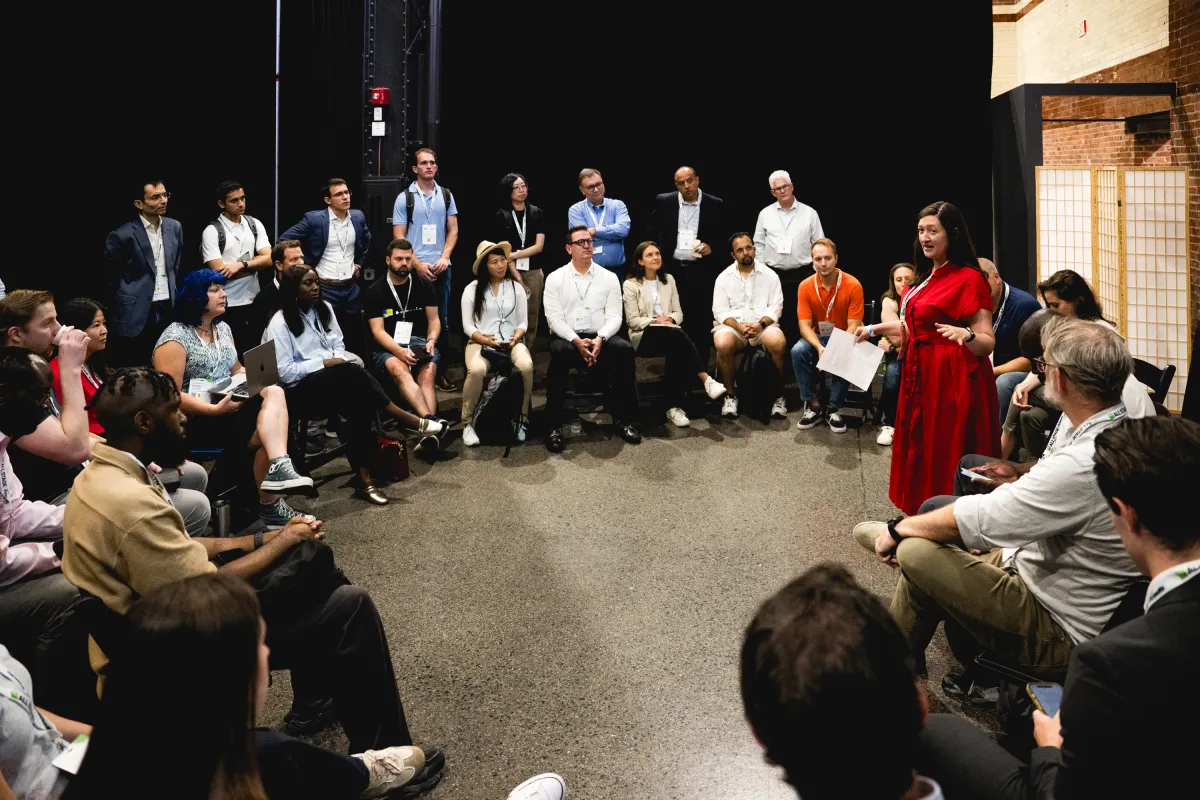
Why this visual matters: This image encapsulates the key lessons from Nasty Gal’s journey, emphasizing the importance of sustainable business practices and strategic decision-making for aspiring entrepreneurs. By showcasing the journey of Nasty Gal, we highlight critical insights that resonate with today’s business landscape.
Frequently Asked Questions
What are the key lessons from Sophia Amoruso’s experience with Nasty Gal?
Sophia Amoruso emphasizes the importance of exercising patience with employee terminations, being wary of the valuation trap, reconsidering the necessity of venture capital, being open to buyout offers, and gaining experience before launching a business.
How did Nasty Gal’s approach to growth lead to its downfall?
Nasty Gal’s focus on rapid growth and high valuations led to unsustainable practices, ultimately resulting in financial difficulties and bankruptcy. The company faced significant challenges as it prioritized growth metrics over operational stability.
What can current entrepreneurs learn from Nasty Gal’s story?
Current entrepreneurs can learn the importance of sustainable growth, the need for solid operational foundations, and the value of patience in decision-making. By adopting these principles, they can build more resilient businesses.
Meet the Analyst
Marcus Vance, Tech Editor – With over a decade of experience in the tech and startup sectors, Marcus specializes in analyzing market trends and providing insights for entrepreneurs. His passion for fostering sustainable business practices drives his editorial contributions.
Last Updated: March 2026 | HustleBotics Editorial Team