Core Analysis & Source Attribution
Deezer’s initiative to combat the flood of AI-generated music through its detection tool represents a significant move in the ongoing battle between traditional music artistry and the encroaching capabilities of technology. As highlighted in a report by the International Federation of the Phonographic Industry (IFPI), the rise of AI-generated content threatens to disrupt the music industry’s economic model, with projections suggesting that up to 30% of all new music could be AI-generated by 2027. Deezer’s tool, boasting an impressive 99.8% accuracy in identifying tracks produced by major generative models like Suno and Udio, aims to cut down on fraudulent streams, which currently account for a staggering 85% of AI-generated tracks, according to Deezer’s internal data.
The company’s proactive stance in extending this technology to other streaming platforms is a crucial step toward ensuring that human artists receive the recognition and royalties they deserve. The tool not only removes AI-generated music from recommendations but also demonetizes these tracks, thus enhancing the financial ecosystem for genuine artists. This move aligns with industry sentiments expressed in a report by MIDiA Research, which emphasizes the need for streaming services to implement robust measures against the manipulation of streaming systems.
Moreover, Deezer’s collaboration with Sacem, which represents over 300,000 music creators, showcases the growing industry support for safeguarding human artistry against AI impersonation and fraud. As Deezer’s CEO, Alexis Lanternier, noted, there is a “great interest” in this tool, indicating a potential shift in how streaming platforms manage their content.
What Most People Miss (Unique Angle)
Second-Order Effects
While the immediate impact of Deezer’s AI-detection tool is clear—namely, the reduction of fraudulent streams and the protection of human artists—there are deeper, second-order effects that could reshape the industry. Firstly, the implementation of such technology could lead to a more significant regulatory push across the streaming sector. As more platforms adopt similar measures, we might witness the emergence of standardized protocols for identifying and managing AI-generated content. This could foster a more level playing field for artists who rely on streaming platforms for their livelihood.
Furthermore, the implications of Deezer’s initiative extend beyond just content moderation. By actively excluding AI-generated music from their platforms, Deezer is engaging in a form of brand positioning that emphasizes authenticity and artist integrity. This could resonate with consumers who are increasingly concerned about the authenticity of the content they consume. A recent study from the Music Industry Research Association indicates that 72% of listeners express a preference for human-created music over AI-generated tracks, suggesting a potential market advantage for platforms that prioritize human artistry.
On a broader scale, Deezer’s actions may prompt other tech companies to reconsider their own policies regarding AI-generated content. Companies like Spotify and Apple Music, which have been slower to address these concerns, may feel increased pressure to adopt similar detection measures or risk alienating their user base. This could lead to a ripple effect throughout the industry, ultimately fostering an environment where the value of human creativity is more thoroughly recognized and compensated.
Data & Competition
The competitive landscape in the music streaming industry is becoming increasingly complex as platforms navigate the challenges posed by AI-generated music. Deezer’s decision to market its AI-detection tool not only sets it apart from competitors but also positions it as a leader in the movement toward transparency and fairness in music streaming.
To understand the competitive implications, it’s essential to analyze the current strategies being employed by major players in the industry:
– **Deezer**: With its 99.8% accuracy tool, Deezer is not only protecting its artists but also actively engaging with industry organizations like Sacem. The tool’s ability to identify tracks from major generative models gives Deezer a distinct advantage in maintaining the integrity of its platform.
– **Spotify**: Although Spotify has revised its policies to define AI use in music production and combat spam, it has not yet implemented a robust detection system akin to Deezer’s. This delay may hinder its ability to maintain artist trust and could lead to a loss of user engagement among those who prioritize human artistry.
– **Bandcamp**: By completely banning AI-generated music, Bandcamp has taken a definitive stance against AI encroachment. However, this strategy may limit its market appeal to users interested in diverse music offerings, including experimental AI-generated content.
– **Apple Music**: Similar to Spotify, Apple Music has yet to establish a concrete framework for addressing AI-generated tracks. This could leave the platform vulnerable to criticism from both artists and consumers who demand more transparency.
As the industry continues to evolve, platforms that fail to adapt to these new realities risk losing their competitive edge. Deezer’s proactive approach may not only solidify its position in the market but also encourage a broader shift towards accountability and fairness for artists.
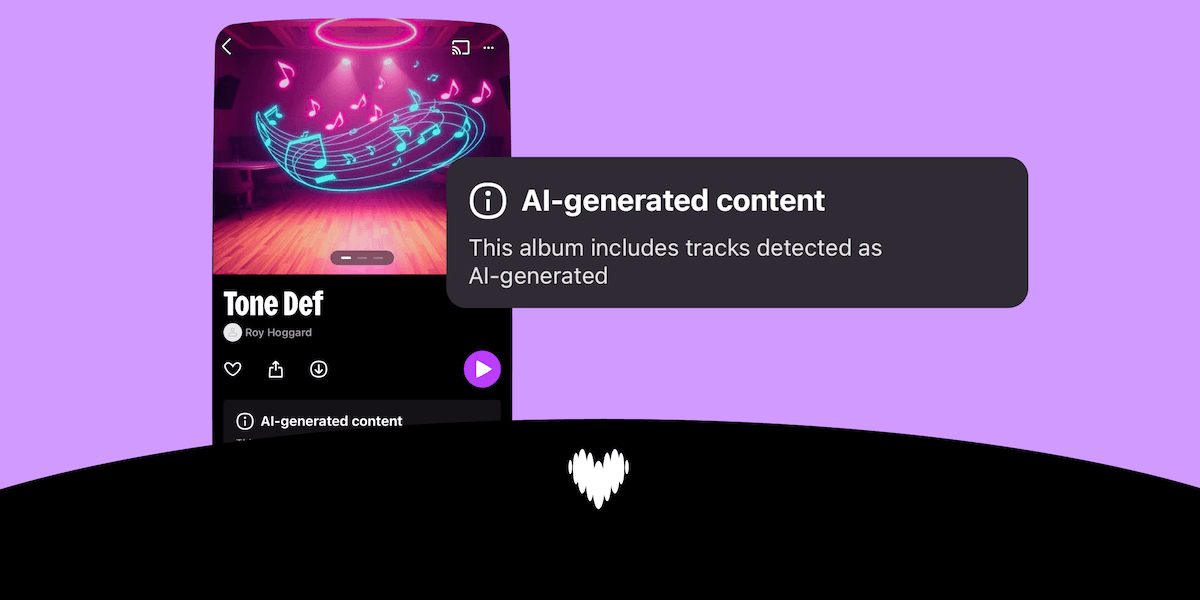
Why this visual matters: The image illustrates Deezer’s commitment to combating AI-generated music and enhancing transparency in the music industry. By showcasing the Deezer AI Detection Tool, it emphasizes the importance of maintaining a clear distinction between human-created music and AI-generated tracks.
System Alpha Executable (Conversion Block)
System Alpha Executable
Explore Deezer’s AI detection tool to ensure your music remains authentic and protected from the rise of AI-generated content.
Frequently Asked Questions
What is Deezer’s AI detection tool?
Deezer’s AI detection tool is designed to identify and label fully AI-generated music, ensuring that such content is excluded from algorithmic recommendations and royalty pools. This helps to protect human artists and maintain the integrity of the music industry.
How effective is the AI detection tool?
The tool boasts an impressive accuracy rate of 99.8%, making it highly effective in distinguishing between human-created and AI-generated tracks.
What are the implications of AI-generated music for artists?
AI-generated music poses a significant threat to human artists, as it can lead to fraudulent streams and reduced royalties. Deezer’s initiative aims to combat these issues and ensure that artists are fairly compensated for their work.
What other platforms are taking action against AI-generated music?
Bandcamp has completely banned AI-generated music, while Spotify has revised its policies to address the rise of AI content. However, neither has implemented a detection tool as comprehensive as Deezer’s.
Meet the Analyst
Marcus Vance, Tech Editor – A seasoned journalist with over a decade of experience in technology and music, Marcus has dedicated his career to exploring the intersections of innovation and artistry.
Last Updated: March 2026 | HustleBotics Editorial Team