Core Analysis & Source Attribution
The recent modifications to the H-1B visa program, which include a hefty $100,000 fee for new application submissions and the implementation of social media vetting requirements, have sent ripples through the business ecosystem. According to a report by the National Foundation for American Policy, these changes are expected to significantly reduce the number of new H-1B applications, ultimately constraining the talent pool available to U.S. companies.
Moreover, the transition to a wage-based lottery system, favoring higher-salary applicants, could exacerbate existing inequalities within the labor market. A study from the Economic Policy Institute indicates that smaller firms may find it increasingly difficult to compete for top talent against larger corporations that can afford to pay higher salaries. As a result, businesses must reassess their recruitment strategies and sponsorship approaches in light of these evolving regulations.
In this context, immigration lawyers are positioned to play a pivotal role. They can guide companies through the labyrinth of new rules and help them explore alternative visa options, such as O-1 and E-2 visas, which might offer viable pathways for securing necessary talent. As businesses grapple with these changes, the demand for legal expertise in immigration matters is likely to surge, presenting a unique opportunity for lawyers in this field.
What Most People Miss: Second-Order Effects
While the immediate impact of the H-1B visa changes is evident, the long-term implications may be more profound. One significant second-order effect is the potential shift in the U.S. labor market dynamics. As companies pivot away from the H-1B program, they may increase investments in domestic talent development or seek to automate processes that previously relied on skilled foreign workers. This could lead to a surge in training programs and educational initiatives aimed at upskilling the domestic workforce.
Additionally, the uncertainty surrounding H-1B visas may drive innovation in the immigration sector. As businesses look for alternative solutions, we might see a rise in technology-driven platforms that streamline the visa application process or provide better resources for compliance management. This disruption could also encourage legislative reforms aimed at creating a more flexible and accessible immigration system, ultimately benefiting a broader range of industries.
Finally, the changing landscape may incentivize businesses to adopt more inclusive hiring practices. With heightened scrutiny on labor practices, companies might implement strategies that prioritize diversity and equity, fostering a more equitable work environment. This shift could not only enhance company culture but also improve overall business performance, as diverse teams are often more innovative and effective.
Data & Competition
The implications of the H-1B changes extend beyond individual businesses; they have the potential to reshape entire industries. Companies that rely heavily on foreign talent, such as tech firms, healthcare providers, and research institutions, are at the forefront of this disruption. A study by the Bureau of Labor Statistics suggests that tech companies could face a talent shortage, leading to increased salaries and competition for available candidates.
On the other hand, firms that proactively adapt to the new landscape may emerge as winners. Those that diversify their hiring practices and explore alternative visa options will likely find themselves in a stronger position to attract and retain top talent. For example, companies that invest in O-1 visas for extraordinary ability individuals or E-2 visas for investor entrepreneurs could gain a competitive edge in their respective markets.
However, the losers in this scenario will be businesses that fail to adapt. Companies that continue to rely solely on the H-1B program without considering alternative pathways risk losing valuable talent and facing operational disruptions. A recent report from the Society for Human Resource Management emphasizes the importance of strategic planning in workforce management, underscoring that businesses must be agile in their approaches to talent acquisition.
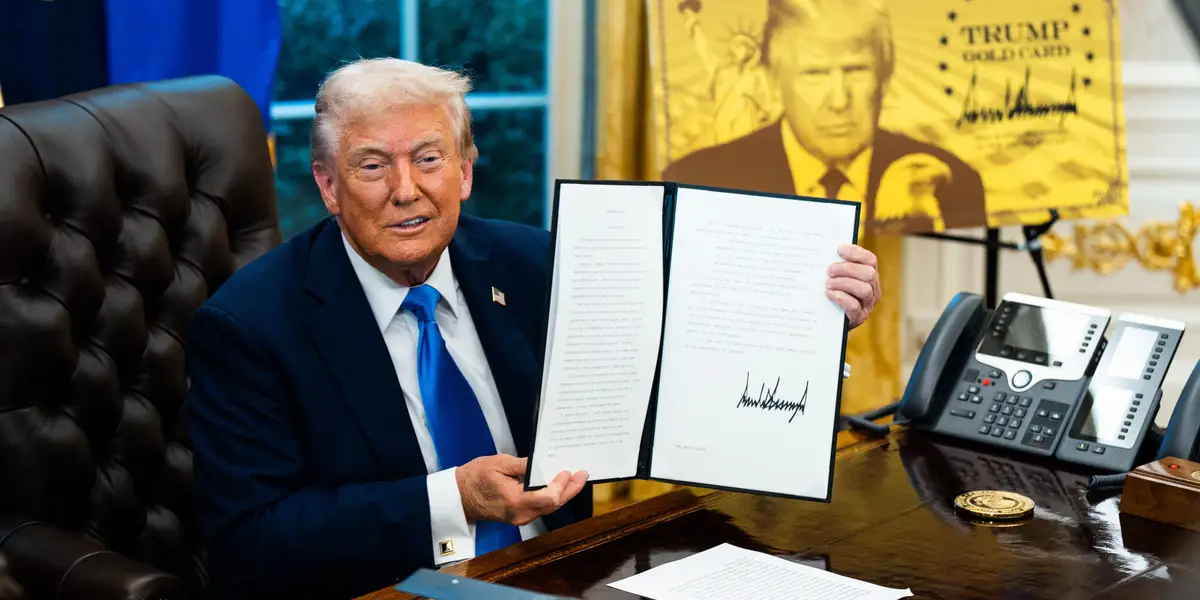
Why this visual matters: The image encapsulates the significant changes surrounding the H-1B visa program and the bold strategies that immigration lawyers must adopt to navigate these shifts. Understanding the implications of H-1B visa changes and how they influence immigration law strategies is crucial for businesses aiming to maintain their competitive edge.
Strategic Deployment Logic
Strategic Deployment Logic
Reassess your hiring strategies and explore alternative visa options to mitigate the impact of H-1B changes on your business operations.
Frequently Asked Questions
What are the recent changes to the H-1B visa program?
The H-1B visa program has seen a $100,000 fee for new applications, new social media vetting requirements, and a wage-based lottery system favoring higher-salary applicants.
How will these changes affect small businesses?
Small businesses may struggle to compete for top talent against larger firms that can afford higher salaries, potentially leading to talent shortages and operational challenges.
What alternative visa options should companies consider?
Companies can explore O-1 visas for individuals with extraordinary abilities, E-2 investor visas, EB-1C visas for managerial personnel, and L-1 visas for transferring international employees.
What steps can businesses take to adapt to these changes?
Businesses should reassess their recruitment strategies, consider alternative visa pathways, strengthen compliance and HR policies, and prepare for the upcoming 2026 lottery changes.
Meet the Analyst
Marcus Vance, Tech Editor, is an expert in immigration law and workforce management. With over a decade of experience, he provides insights on how legal and regulatory changes impact businesses and their talent acquisition strategies.
Last Updated: March 2026 | HustleBotics Editorial Team