Market Shift: The Clash of Titans in AI Advertising
The recent Super Bowl advertisements from Anthropic have thrust the company into the limelight, igniting a fierce debate in the AI community. The ads, which humorously depict scenarios involving chatbots, have been interpreted as a direct jab at OpenAI, particularly in light of the latter’s announcement regarding the introduction of ads in its free tier of ChatGPT. According to a report from Forrester Research, companies that engage in competitive advertising often experience a short-term spike in brand awareness, but the long-term effects on brand loyalty can be mixed. This could suggest that while Anthropic may gain immediate attention, the sustainability of this strategy remains uncertain.
In a statement from Gartner, the consulting firm emphasized that the integration of advertising into AI platforms could lead to a significant transformation in user engagement. Users may become desensitized to traditional advertising methods, which could compel companies to innovate more creative ways to integrate promotional content into their services. Thus, while Anthropic’s humorous approach to advertising may resonate with some users, it also raises questions about the ethical implications of such strategies, particularly as they relate to user trust and transparency.
The core of Altman’s critique revolves around the notion of honesty in advertising, as he argues that the portrayal of chatbots inserting advertisements into conversations is misleading. Altman has positioned OpenAI as a champion of user experience, asserting that the company will never compromise the integrity of its chatbot interactions for the sake of advertising revenue. This stance is backed by a commitment to transparency, which is a crucial aspect of maintaining user trust in the digital age.
Second-Order Effects: Beyond the Surface
While the immediate reaction to Anthropic’s commercials has been one of amusement and critique, the second-order effects of this rivalry are worth exploring. One potential outcome is the emergence of a new standard for ethical advertising practices within the AI sector. As consumers become more discerning and aware of how their data is used, companies may be compelled to adopt stricter guidelines that prioritize user consent and clarity in advertising.
Moreover, the competitive landscape may lead to a bifurcation in the market. Companies like OpenAI may cater to a user base that values ethical considerations and transparency, while others might adopt a more aggressive advertising approach, as seen with Anthropic. This divergence could result in the formation of distinct market segments, with users gravitating towards platforms that align with their values.
Another significant second-order effect could be the acceleration of innovation in user engagement strategies. As companies vie for attention in an increasingly crowded market, we might witness a surge in creative advertising techniques that leverage user data to deliver personalized experiences. This could lead to enhanced interaction models, where advertisements feel more integrated into the user experience rather than intrusive.
Data & Competition: Winners and Losers in the Advertising Arena
The clash between Anthropic and OpenAI represents a broader narrative of competition in the tech industry. In terms of immediate market impact, Anthropic’s clever commercials have garnered significant attention online, evidenced by a spike in social media engagement and discussions surrounding the brand. However, this attention may be fleeting. According to a study by eMarketer, brands that rely heavily on shock value or humor in their advertising often see diminishing returns over time as consumers seek more substantive connections with brands.
OpenAI, on the other hand, may emerge as a long-term winner by maintaining its commitment to ethical advertising practices. As users become more aware of the importance of transparency and user-centric approaches, companies that prioritize these values are likely to build stronger, more loyal user bases. Altman’s focus on democratizing access to AI services could further bolster OpenAI’s position as a leader in the field, particularly among users who may feel alienated by more aggressive advertising tactics.
In this competitive landscape, it is essential to consider the potential long-term ramifications for both companies. If Anthropic’s approach proves successful in generating short-term gains, it may embolden other companies to adopt similar strategies, potentially leading to a market saturated with gimmicky advertising. Conversely, if OpenAI’s ethical stance resonates more profoundly with users, it could set a precedent that influences industry norms moving forward.
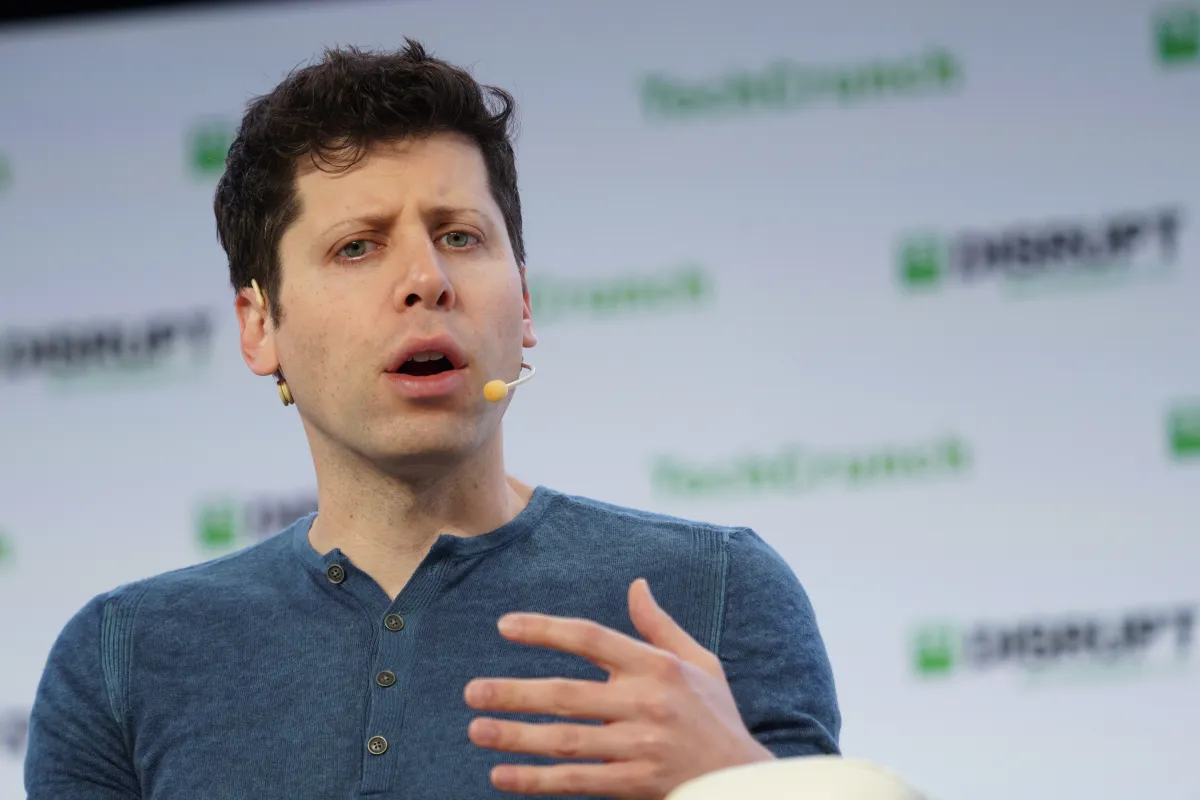
Why this visual matters: The juxtaposition of Sam Altman’s critique against Anthropic’s Super Bowl ads encapsulates the ongoing rivalry in the AI sector, illustrating the tension between humor and ethical advertising. Understanding this dynamic is crucial for grasping the future of competitive strategies in technology.
Core Execution Protocol
Core Execution Protocol
Embrace ethical advertising practices by prioritizing transparency and user engagement in your marketing strategies.
Frequently Asked Questions
What sparked the controversy between Anthropic and OpenAI?
The controversy arose from Anthropic’s humorous Super Bowl commercials that appeared to mock OpenAI’s plans to introduce advertisements in ChatGPT‘s free tier, prompting a critical response from OpenAI’s CEO, Sam Altman.
How do the advertisements impact user perception?
The advertisements may influence user perception by highlighting the contrast between different approaches to advertising in AI, potentially swaying users towards platforms that align with their values regarding ethical practices.
What are the potential long-term effects of this advertising rivalry?
Long-term effects may include the establishment of new industry standards for ethical advertising, a bifurcation in market segments based on user values, and the emergence of innovative engagement strategies that prioritize user experience.
Meet the Analyst
Marcus Vance, Tech Editor – With over a decade of experience in technology journalism, Marcus brings a keen understanding of market trends and consumer behavior, focusing on the intersection of technology and ethics.
Last Updated: March 2026 | HustleBotics Editorial Team